

Filipino workers are quickly embracing artificial intelligence in their daily lives, but companies are struggling to keep up with the pace of adoption, based on insights from a recent industry discussion with Salesforce executives and survey of 1,000 knowledge workers in the Philippines.
Why it Matters: Filipino workers are no longer waiting for companies to introduce AI. They are already using it on their own, which is reshaping workplace expectations. This creates pressure for businesses to provide proper tools, training, and direction, or risk falling behind a workforce that is already adapting faster than their employers.

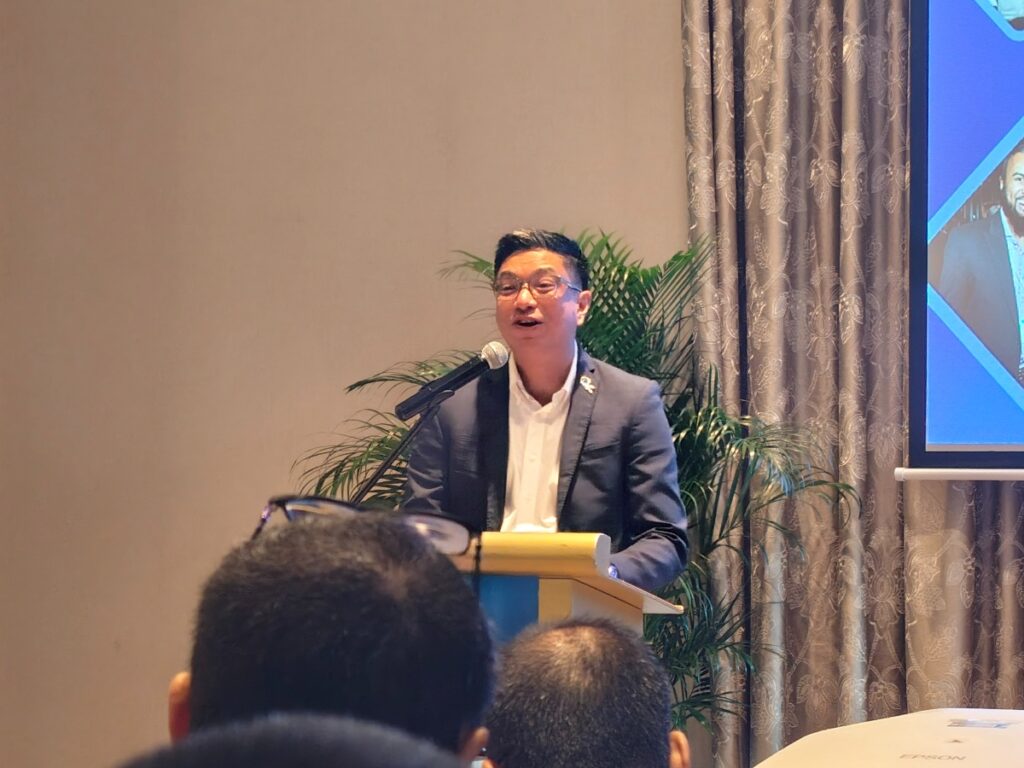
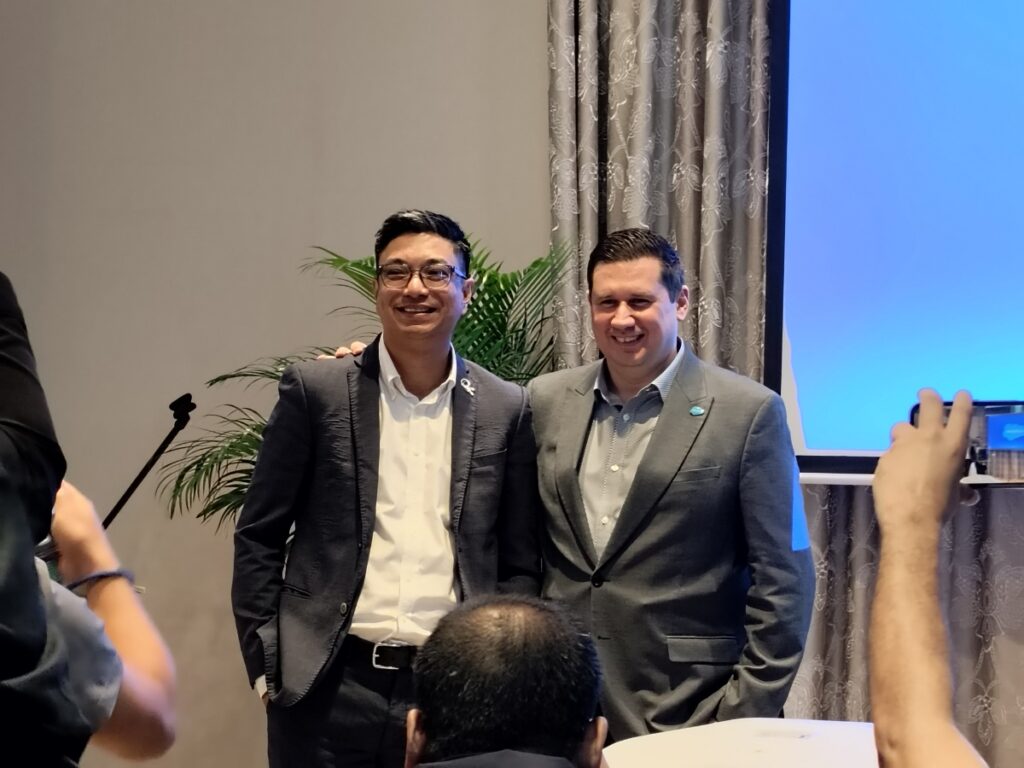
During the Salesforce Agentforce World Tour Manila in BGC, Taguig, Salesforce Country General Manager Abraham Cuevas and Vice President & Chief Technology Officer for Solutions in ASEAN Gavin Barfield presented a study based on a survey of a thousand respondents – workers from the Philippines. The findings show that AI adoption in the country is being driven from the ground up. Instead of enterprise systems leading the shift, workers are building confidence through personal use of AI tools, changing how they approach work and expectations in the workplace.
Despite this growing familiarity, gaps in training and guidance remain a key concern as businesses move toward integrating AI into everyday operations.
Data from the discussion shows that around 70% of workers’ confidence in AI comes from personal use rather than company-provided tools. This includes tasks such as asking questions, writing, and brainstorming, which are becoming common use cases for AI in daily work.
Adoption is also widespread across age groups. The use of AI is no longer limited to younger workers, with millennials, older professionals, and even retirees increasingly engaging with generative AI tools.
Only 3% of respondents said they do not expect to use AI in their work at all, while about half believe AI agents will both automate tasks and support their work rather than fully replace them.
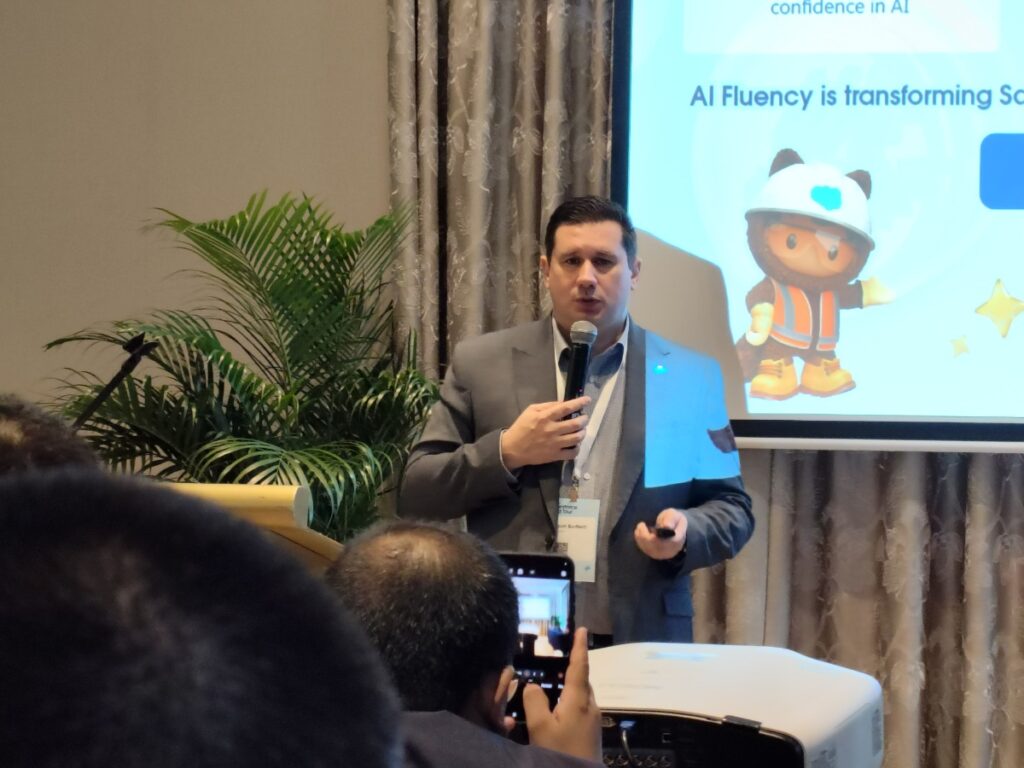
However, readiness inside organizations is not keeping pace. Around 48% of workers said they need clearer guidance on what skills to develop to use AI effectively. Many also reported receiving limited training on AI tools, highlighting a growing skills gap between worker adoption and company support.
The discussion also pointed out that workers expect more from employers when it comes to AI integration. About 46% want access to approved, high-quality tools, while 43% are looking for more transparency and support as AI becomes part of their workflow.
Experts emphasized that human-AI collaboration is becoming the standard, not the exception. AI is increasingly used to handle repetitive tasks and provide quick insights, while human workers remain responsible for decision-making, creativity, and judgment.
To address the gap, companies are being urged to rethink how work is structured. This includes redesigning processes, reskilling employees, redeploying talent to higher-value tasks, and balancing responsibilities between humans and AI systems.
The shift also requires a change in mindset. Organizations need to treat AI not as an add-on tool, but as part of core operations, supported by proper training, clear policies, and strong data foundations.
As AI continues to evolve, the challenge for companies in the Philippines is no longer whether workers will adopt it, but whether businesses can keep up.
With workers already integrating AI into how they work, the question now is: can companies close the skills gap fast enough to match their own workforce?
Discover more from WalasTech
Subscribe to get the latest posts sent to your email.
Get the latest from WALASTECH directly on your Google feed.
Add as a preferred source on Google