



Samsung has officially brought the Samsung Galaxy S26 Series to the Philippines, introducing three models: the Galaxy S26, Galaxy S26+, and Galaxy S26 Ultra. While hardware upgrades are expected every year, this generation puts noticeable attention on design refinement and software intelligence. Here’s an early look into these new devices.
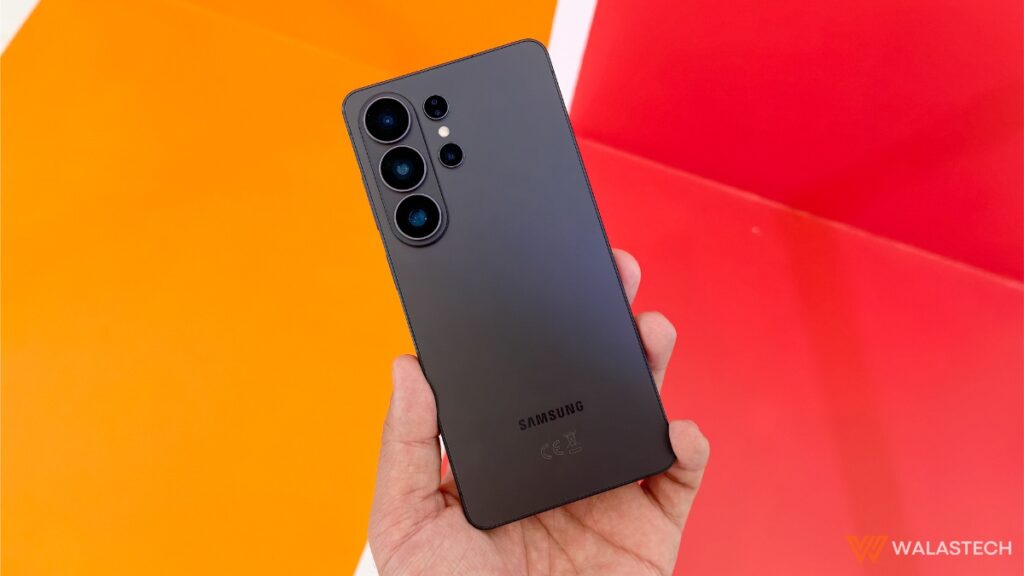
Why It Matters: Flagship phones are reaching maturity in hardware. Year to year improvements in performance are incremental. What now differentiates devices is refinements in comfort, usability, privacy, and AI-driven features that reduce friction in daily use. The Galaxy S26 Series appears to reflect that shift.

Design: Slimmer, flatter, more refined
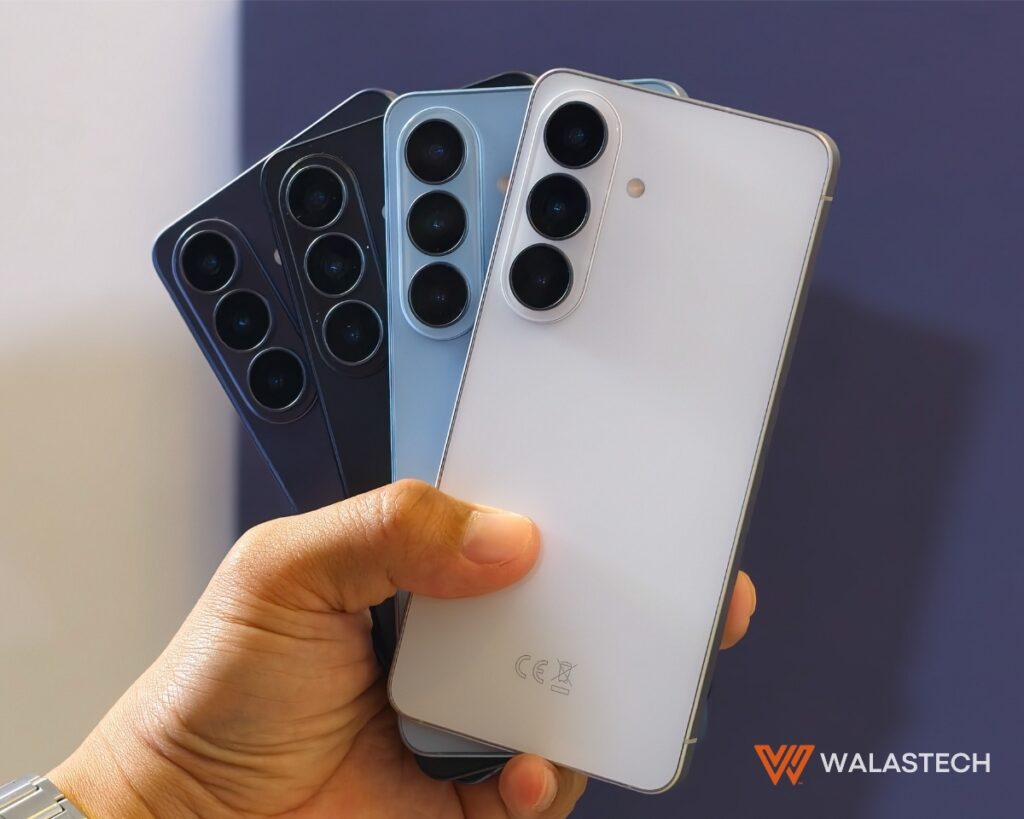
The first noticeable change when holding the Galaxy S26 Series is how slim the devices feel. Samsung describes this as its slimmest Galaxy S lineup yet, and in hand, the profile does feel slightly more compact and balanced.
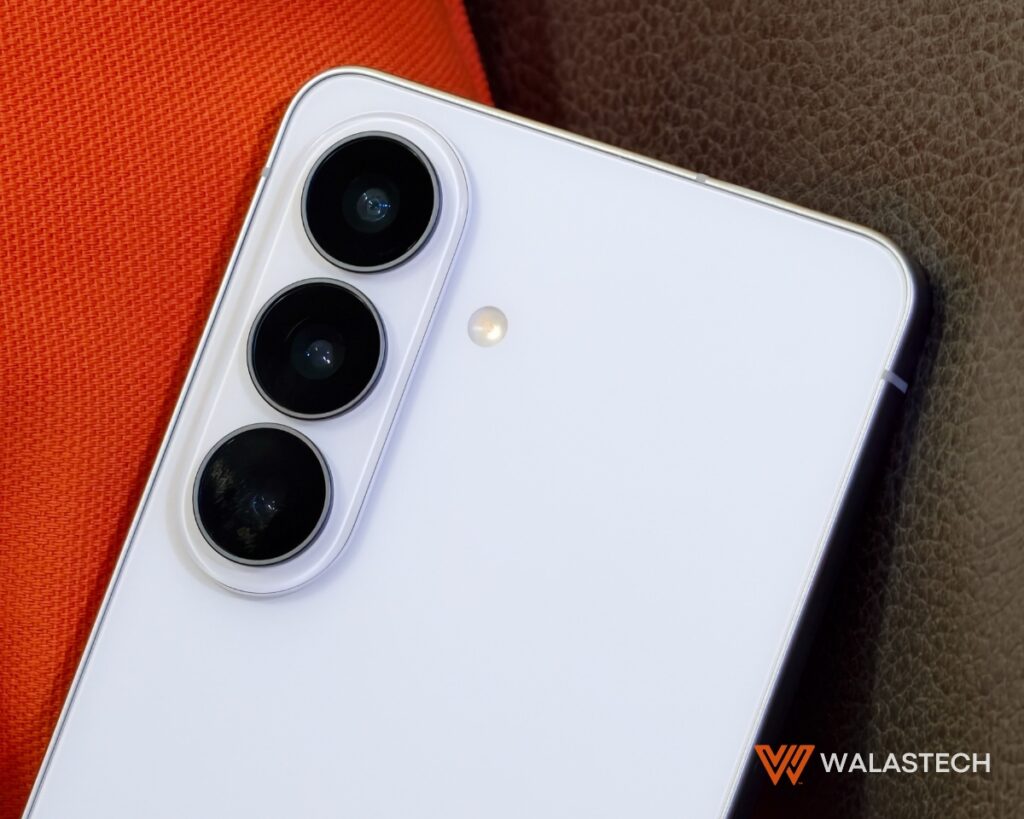
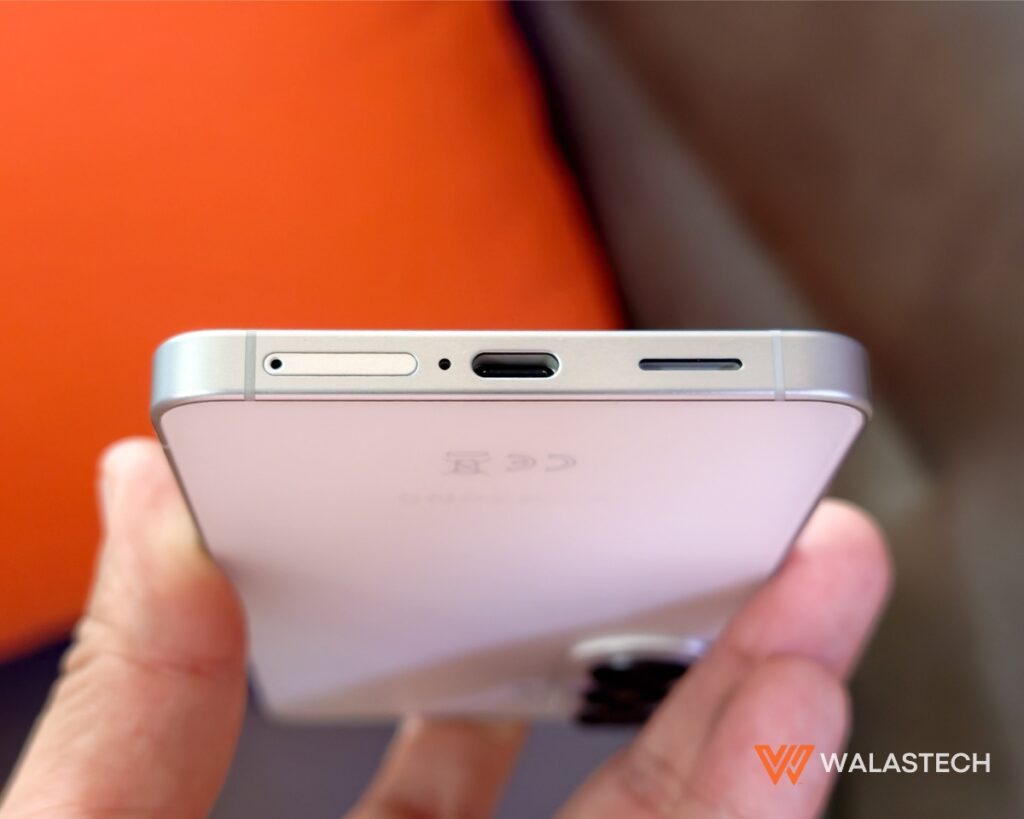
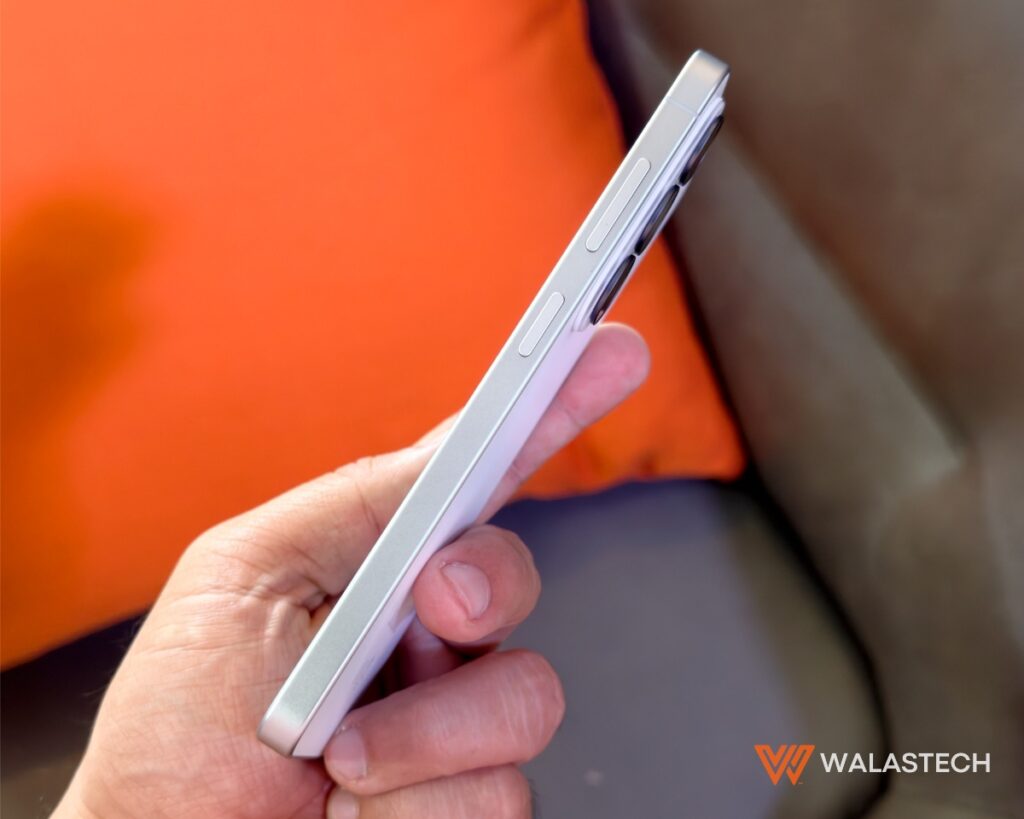
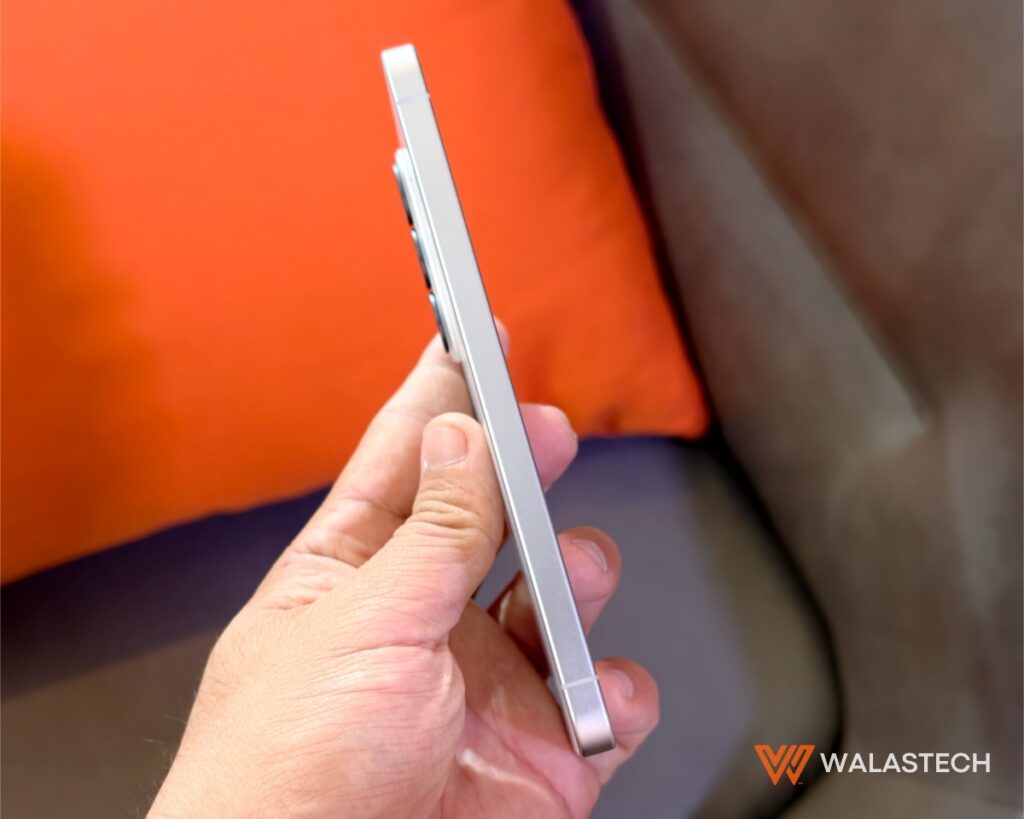
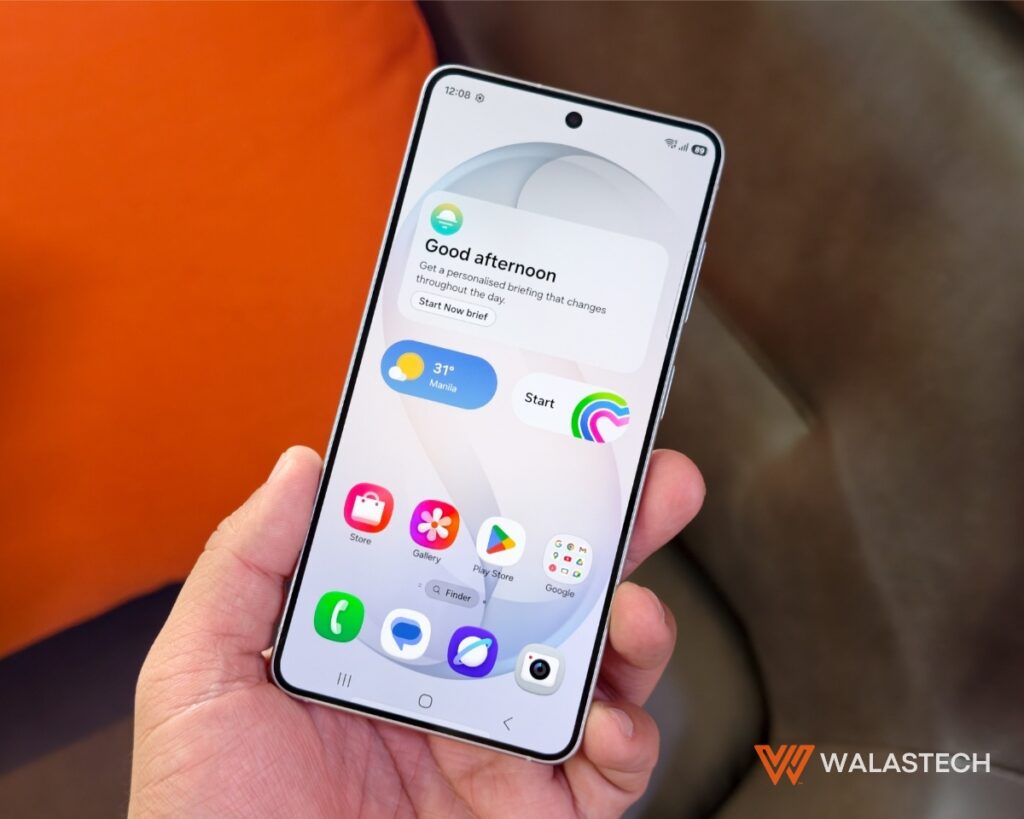
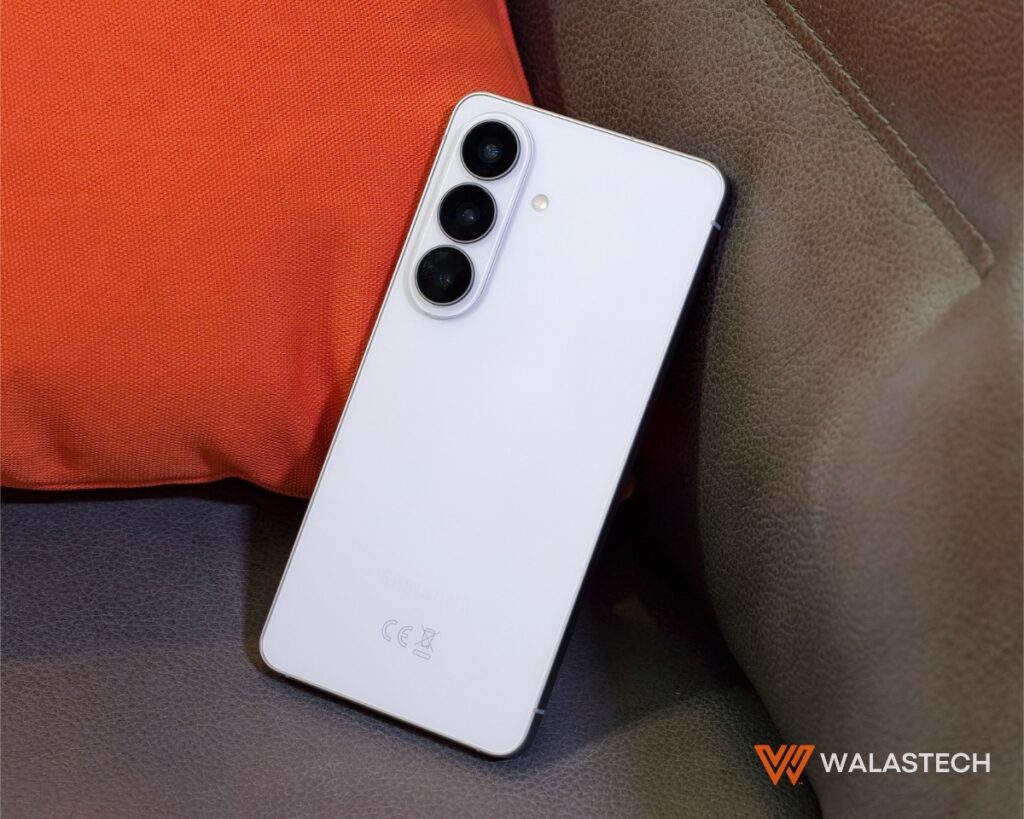
PHOTOS: Samsung Galaxy S26, in White color.
The flat frame design remains, but edges appear more refined. The Armor Aluminum frame gives the device a solid structure without adding unnecessary weight. The finish feels clean and understated, especially in the Sky Blue and Cobalt Violet colorways.
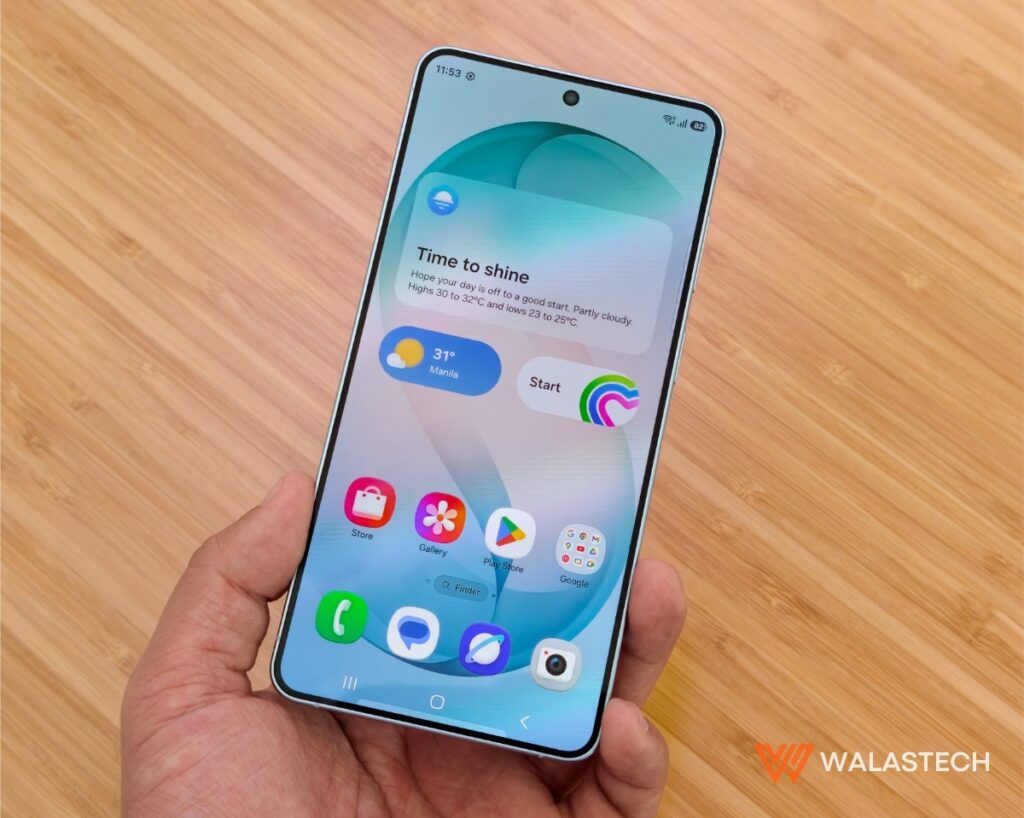
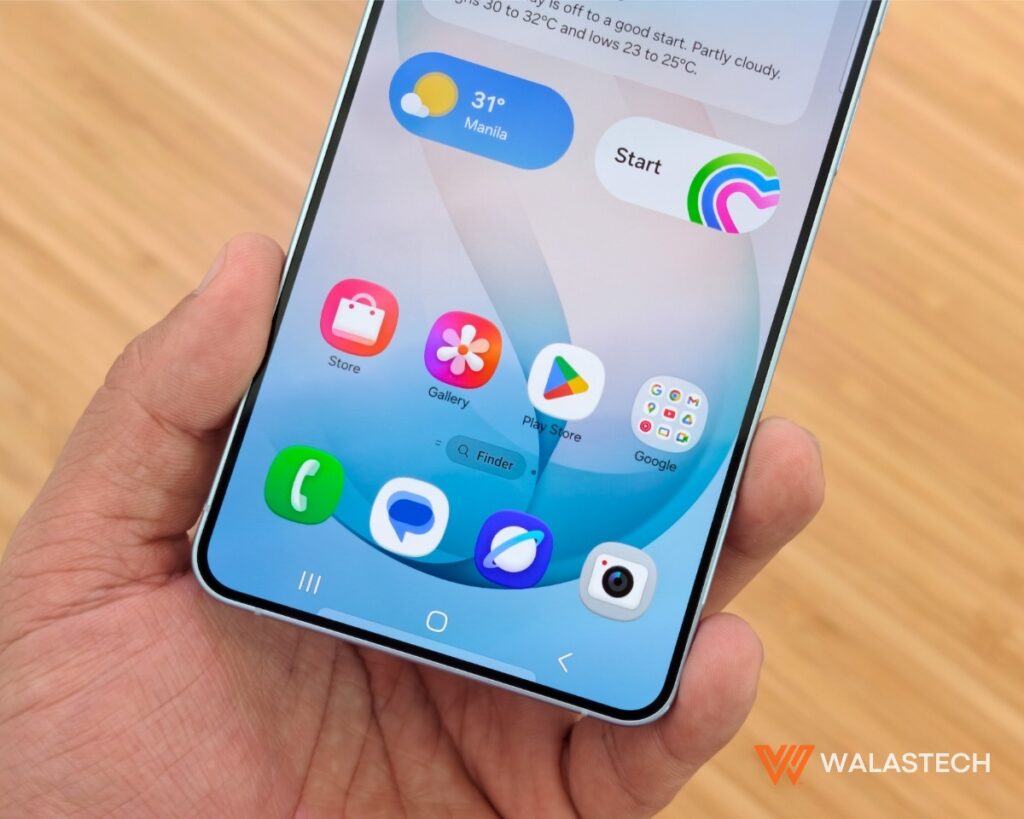
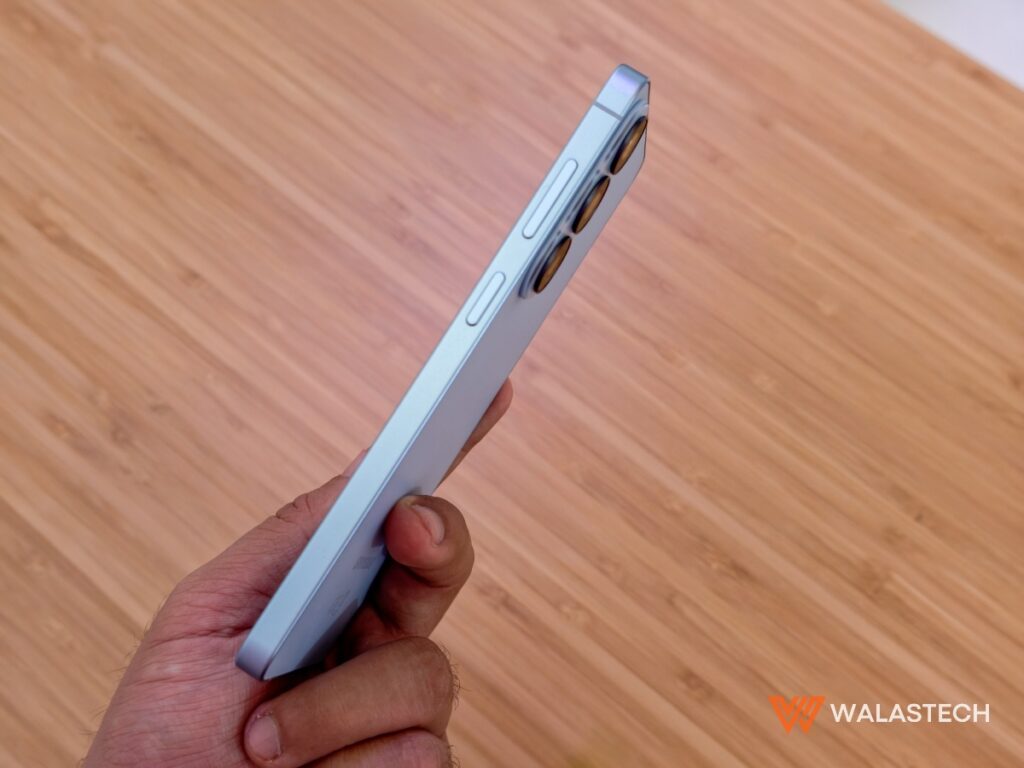
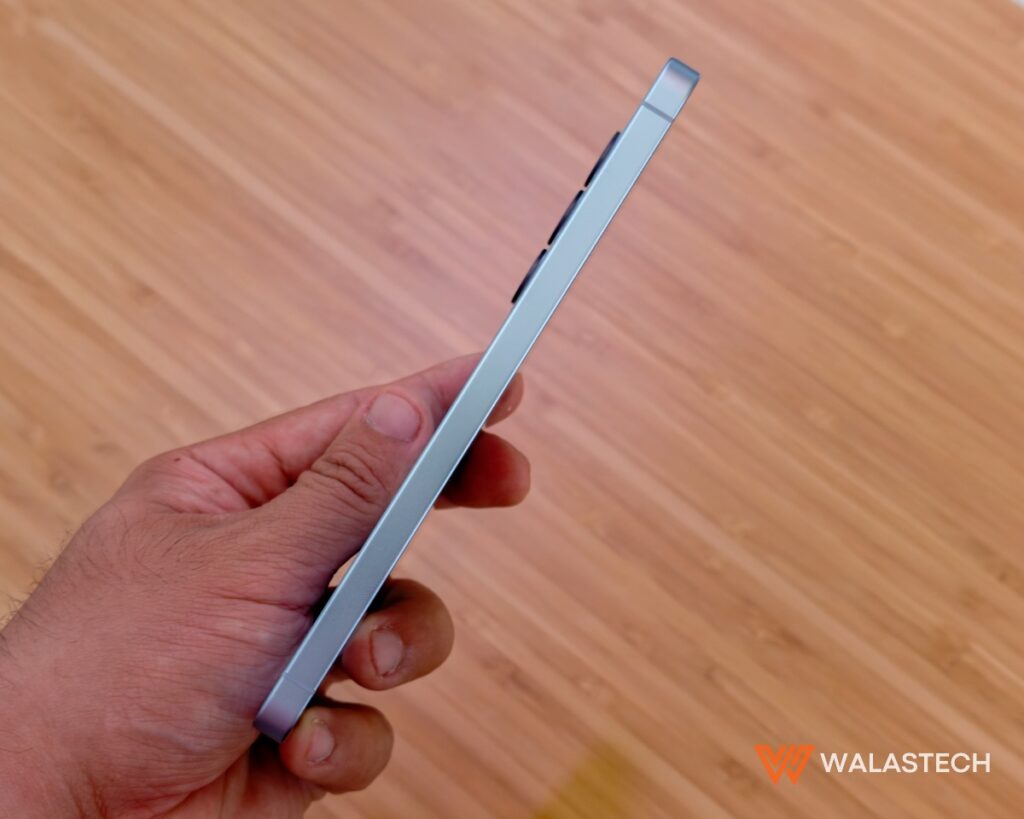
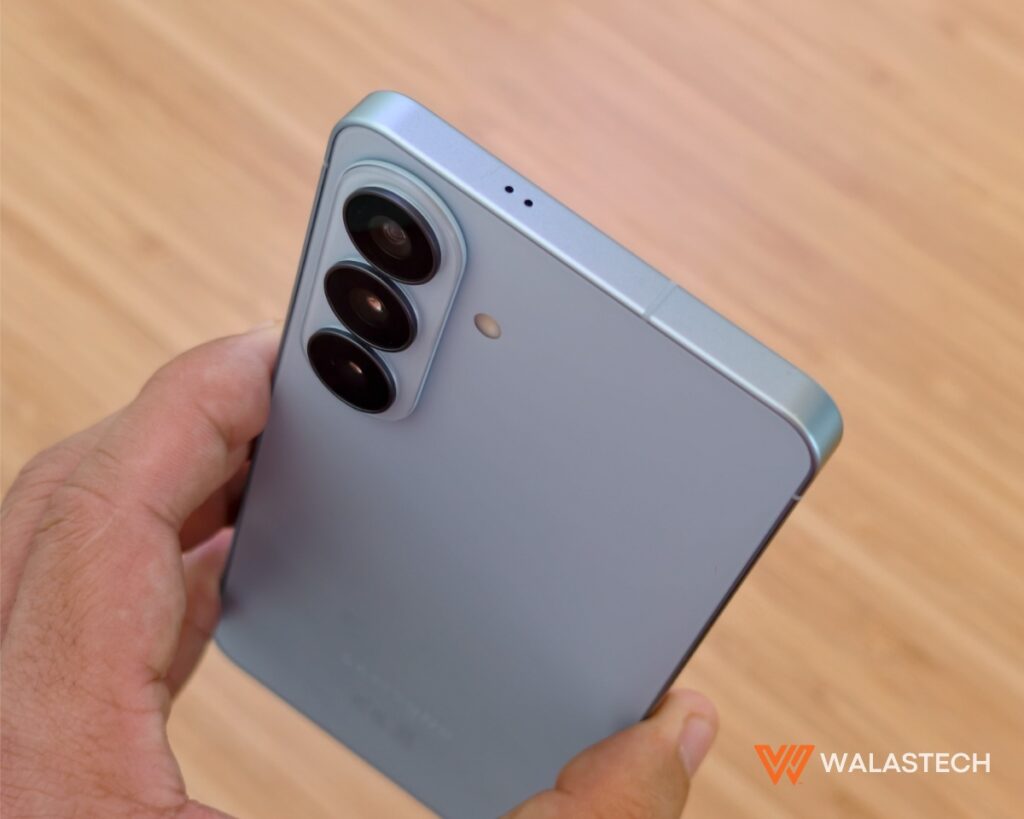
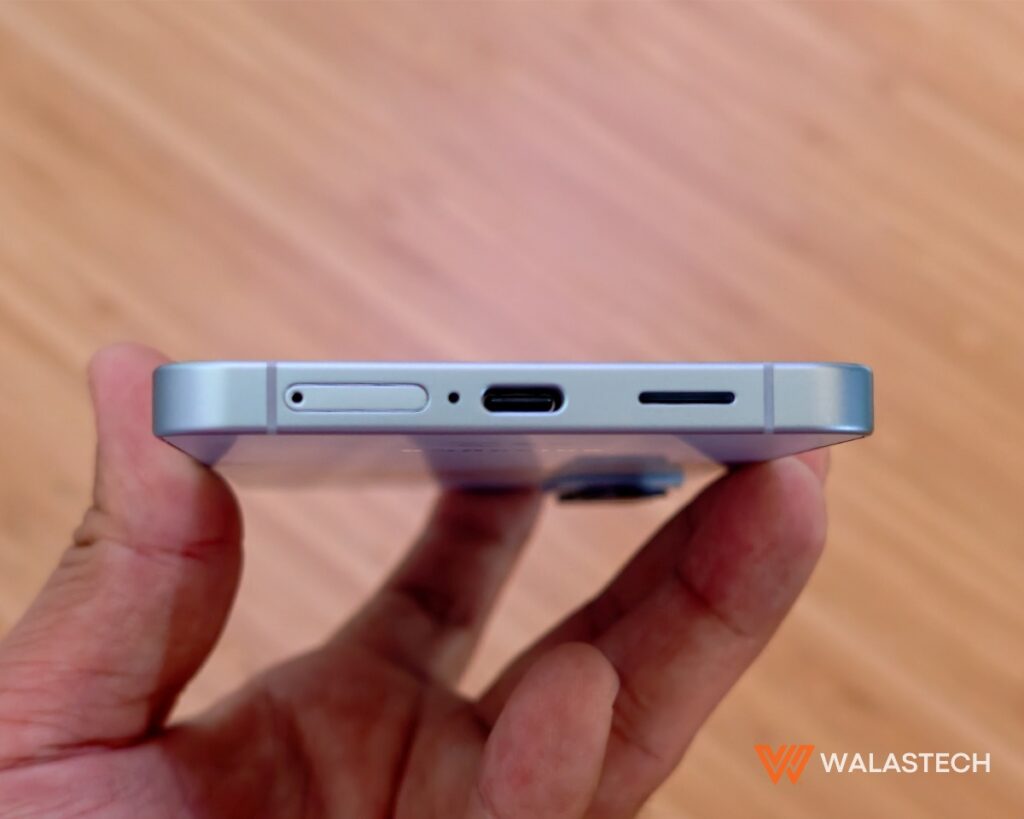
PHOTOS: Samsung Galaxy S26+, in Sky Blue color. It’s the same design as the S26, with just a larger display and battery to boot.
The Galaxy S26 Ultra now looks a lot like the S26 and S26+, as they all have the same rounded corners and square-ish look. If you are coming from a previous Ultra device, the overall shape will feel familiar, but the slimmer build makes it more manageable in hand.
Button placement remains conventional. The power and volume keys are positioned comfortably on the right side. The Ultra continues to house the S Pen inside the body, which is still a key differentiator within the lineup.
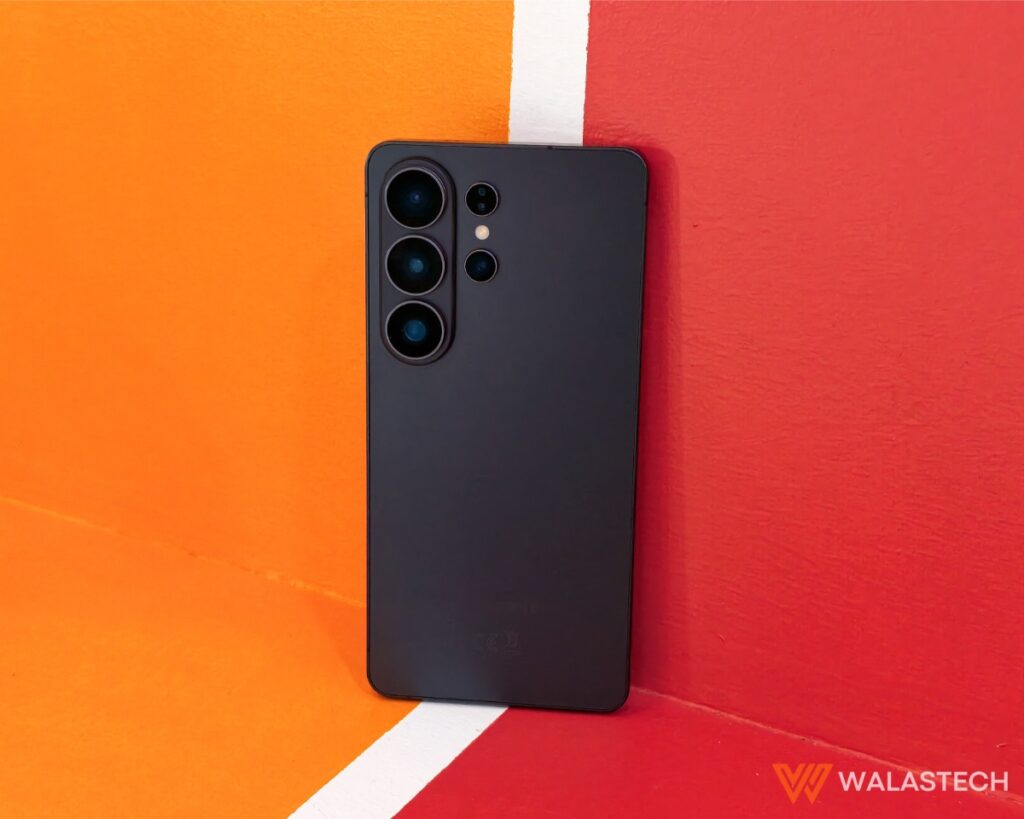
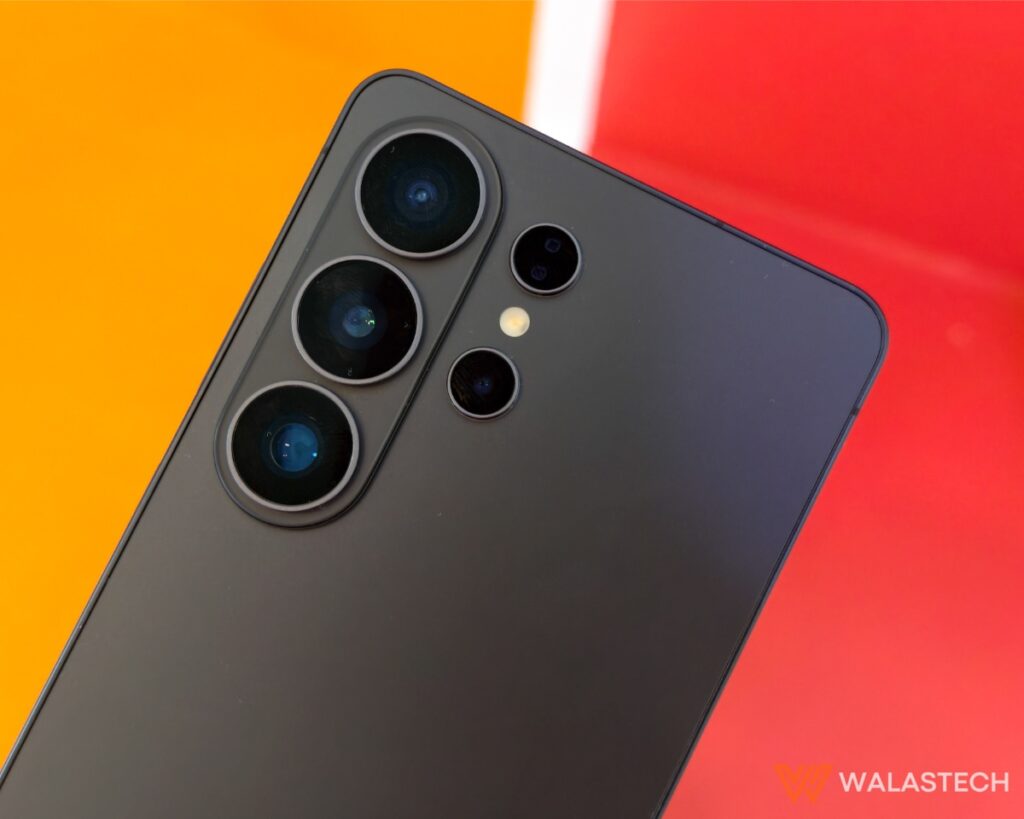
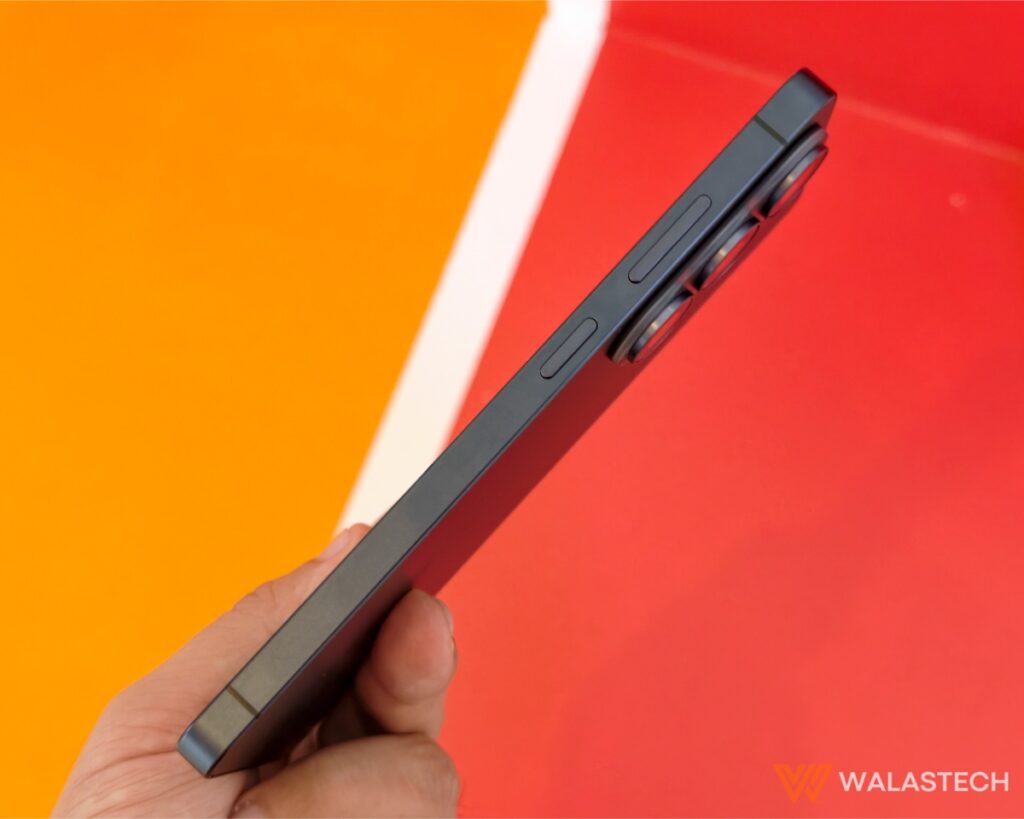
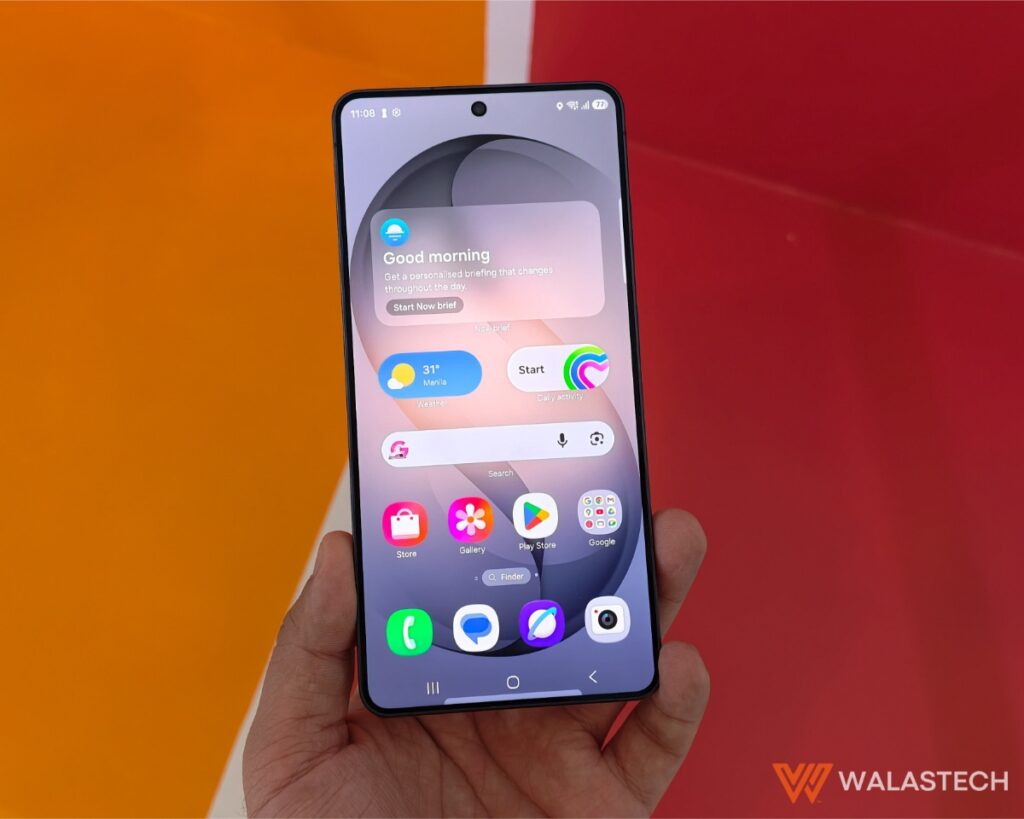
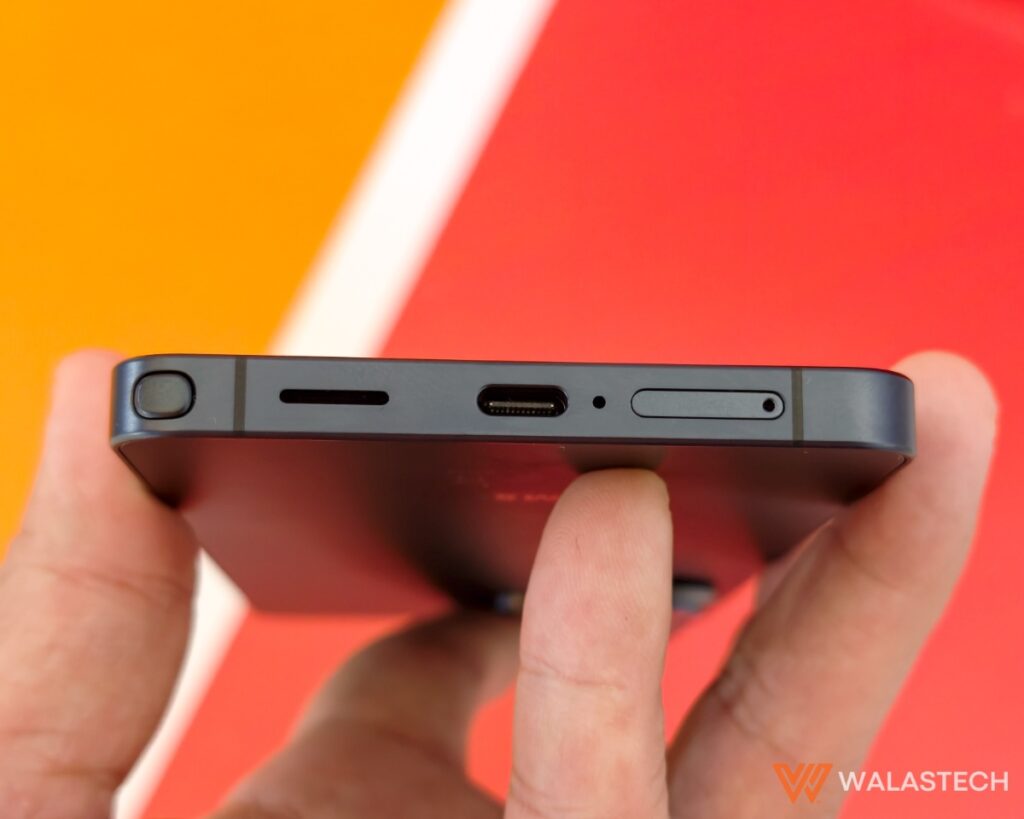
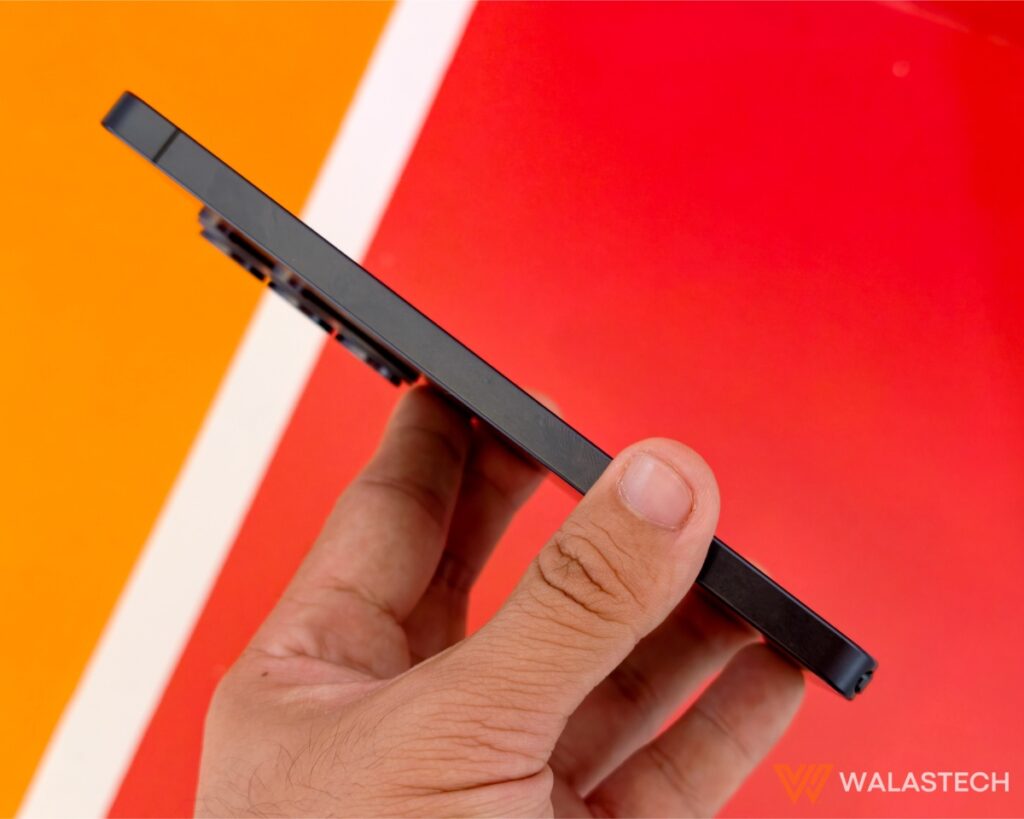
PHOTOS: Samsung Galaxy S26 Ultra in its full black colorway glory.
Across all three models, the camera layout maintains Samsung’s individual lens design without a raised camera island. The lenses protrude slightly, but the arrangement keeps the back panel looking clean.
Samsung also highlights the use of Corning Gorilla Armor 2 protection and recycled materials in parts of the build. From a handling perspective, the devices feel sturdy and premium, with tight assembly and no visible flex.
Display: Bright, sharp, and enhanced with ProScaler
All three devices feature Dynamic AMOLED 2X displays with up to 120Hz adaptive refresh rate. The Galaxy S26 Ultra uses a 6.9 inch QHD+ panel, the S26+ carries a 6.7 inch QHD+ screen, and the base S26 comes with a 6.3 inch FHD+ display. In person, brightness and color accuracy are strong. Whites appear neutral, blacks are deep, and text rendering is sharp.
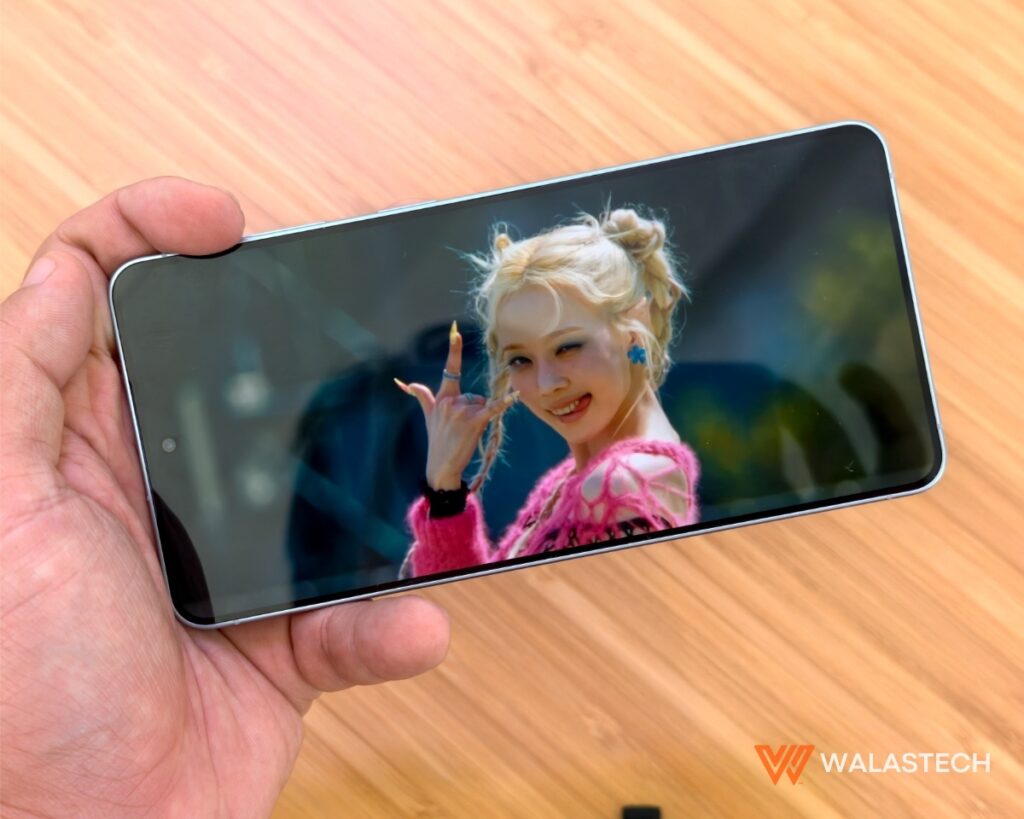
One of the newer additions this year is ProScaler. This feature enhances lower resolution video content to better match the display’s native resolution. When streaming non native resolution videos, the system upscales details to make content appear sharper and more refined.
While the difference is subtle in some scenarios, side by side viewing with lower resolution clips shows clearer edges and slightly improved detail retention. ProScaler works together with Samsung’s mDNIe display tuning system, which dynamically adjusts color and contrast. For users who consume a lot of streaming content, this feature operates quietly in the background without requiring manual activation.
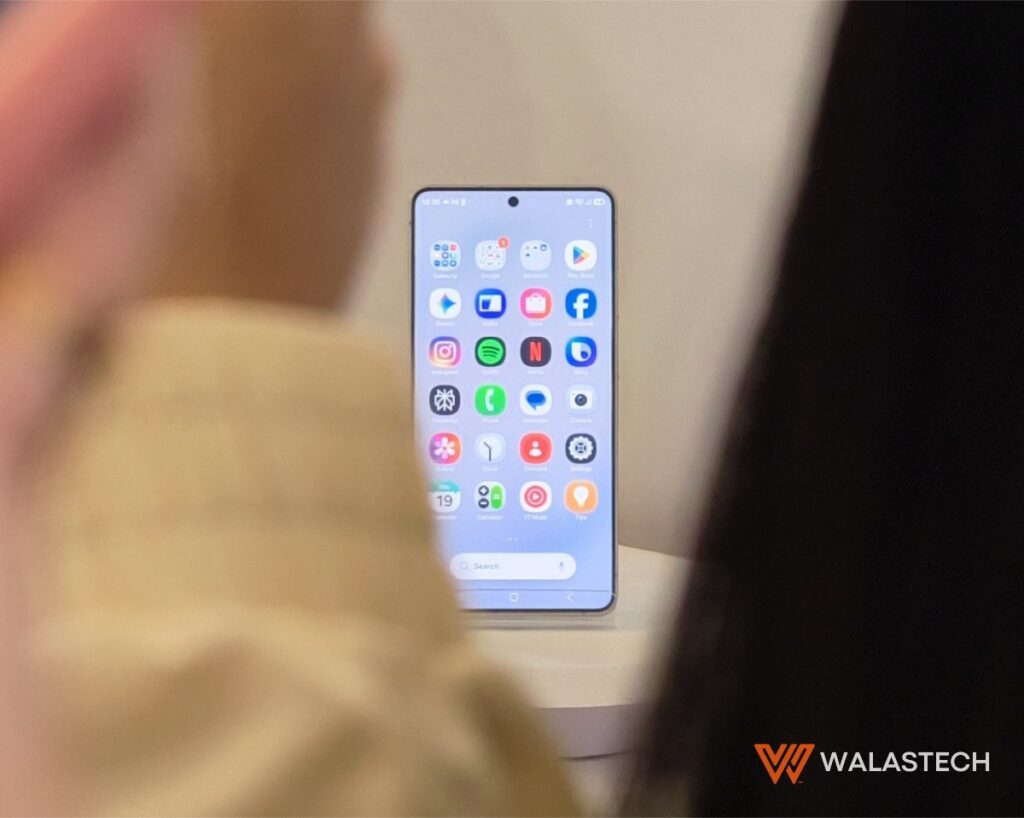
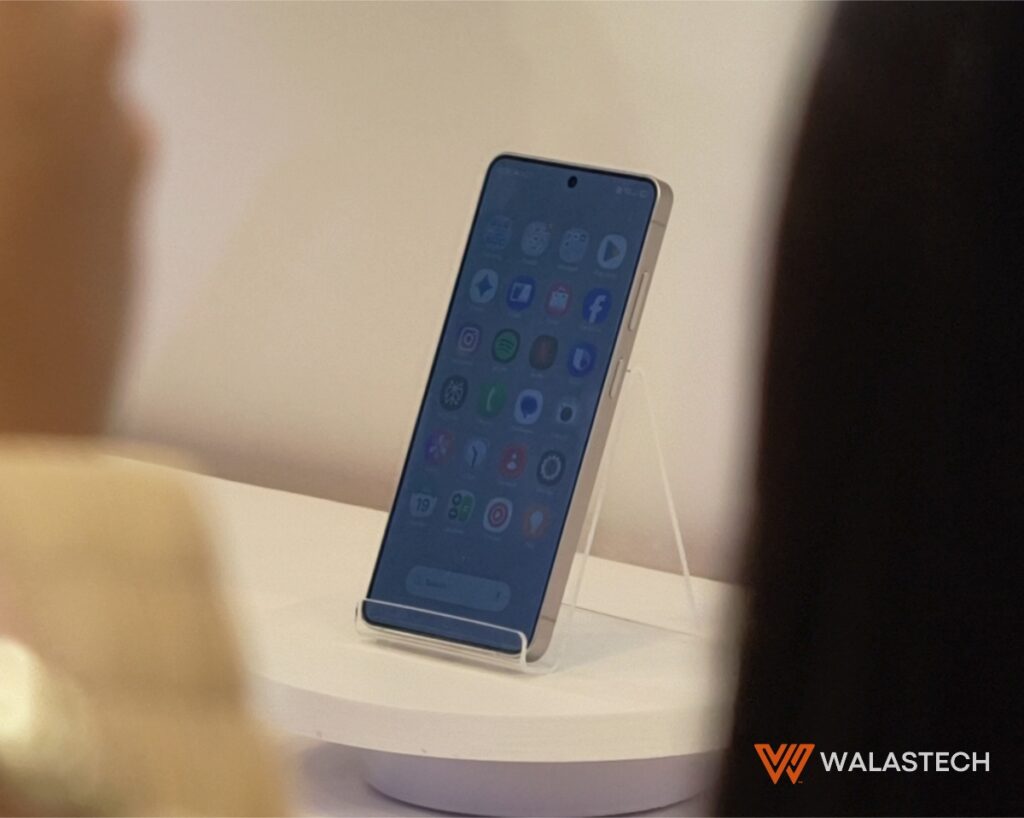
PHOTOS: Samsung Galaxy S26 Ultra’s new Privacy Display in action. When turned on, the display is a bit dimmer, significantly reducing viewing angles especially from the sides.
On the Ultra model, Privacy Display is another notable addition. When enabled, it narrows viewing angles to reduce visibility from the sides. During testing indoors, the effect was noticeable when viewing the screen from an angle. This could be useful when using the device in public spaces.
Galaxy AI: More embedded, less gimmicky
Samsung continues expanding Galaxy AI, but this time the features feel more integrated into daily workflows rather than isolated demo tools.
Audio Eraser is one of the most practical additions. It reduces background noise and enhances voice clarity in videos. Instead of exporting content to a separate editor, it can work within supported third party apps such as YouTube and Instagram.
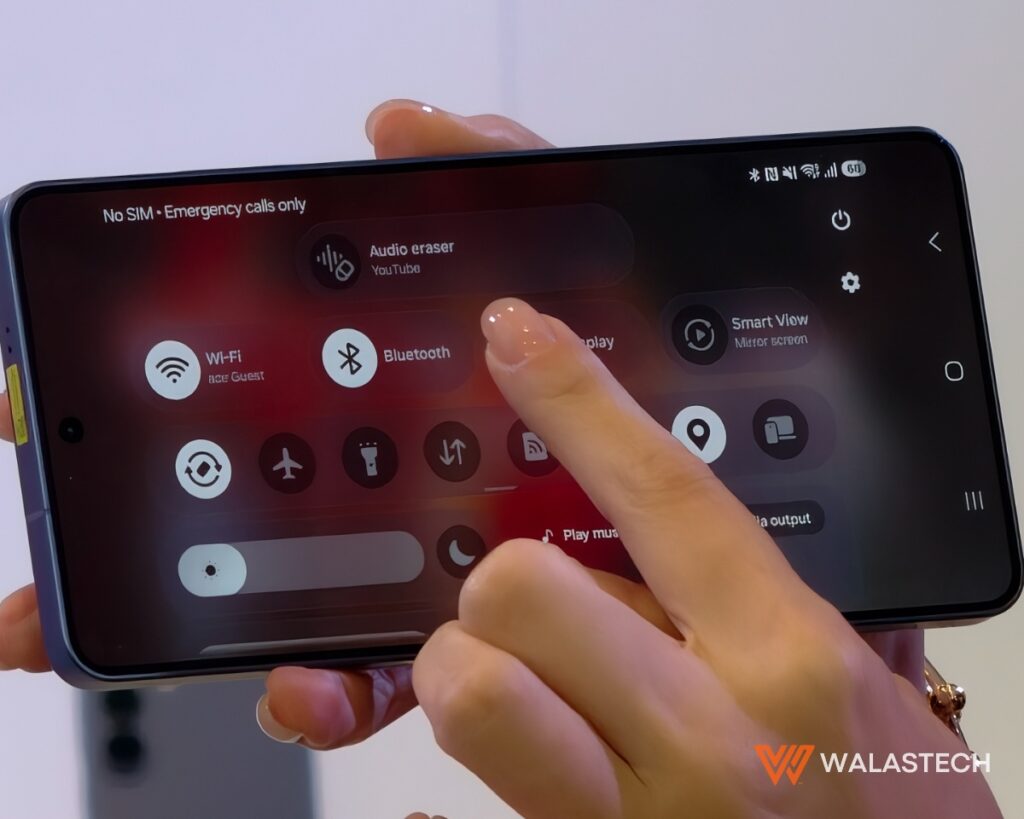
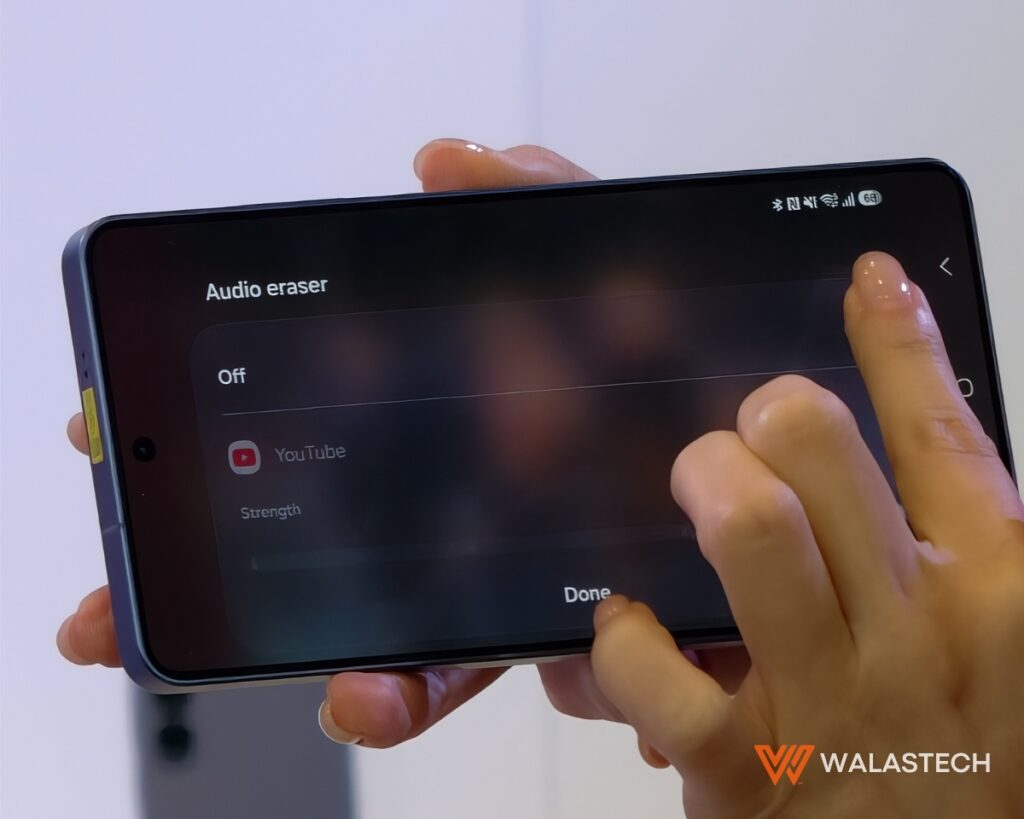
During a short demo, reducing ambient noise in a clip made dialogue clearer without distorting the primary voice. The tool is not aggressive, but it makes subtle corrections that improve clarity.
Call Screening is another feature that feels useful in real-world situations. When receiving a call from an unknown number, the AI can answer first and ask the caller for identification and purpose. The response appears on screen, allowing the user to decide whether to take the call. Given the frequency of spam and promotional calls in many regions, this feature may reduce interruptions.
Screenshot organization is also smarter this year. Instead of storing all screenshots in a single stream, the system categorizes them into groups such as shopping, events, boarding passes, chats, and QR codes.
This seems minor until you realize how many screenshots accumulate over time. Searching for a boarding pass or payment confirmation becomes easier when grouped automatically.
Content creation tools: Photo Assist and Creative Studio
Samsung is clearly targeting casual creators with its updated AI tools.
Photo Assist allows users to refine images directly from the Gallery. During our demo, prompts could be used to modify certain elements or adjust composition. The edits remain within the existing photo environment rather than creating an entirely separate image.
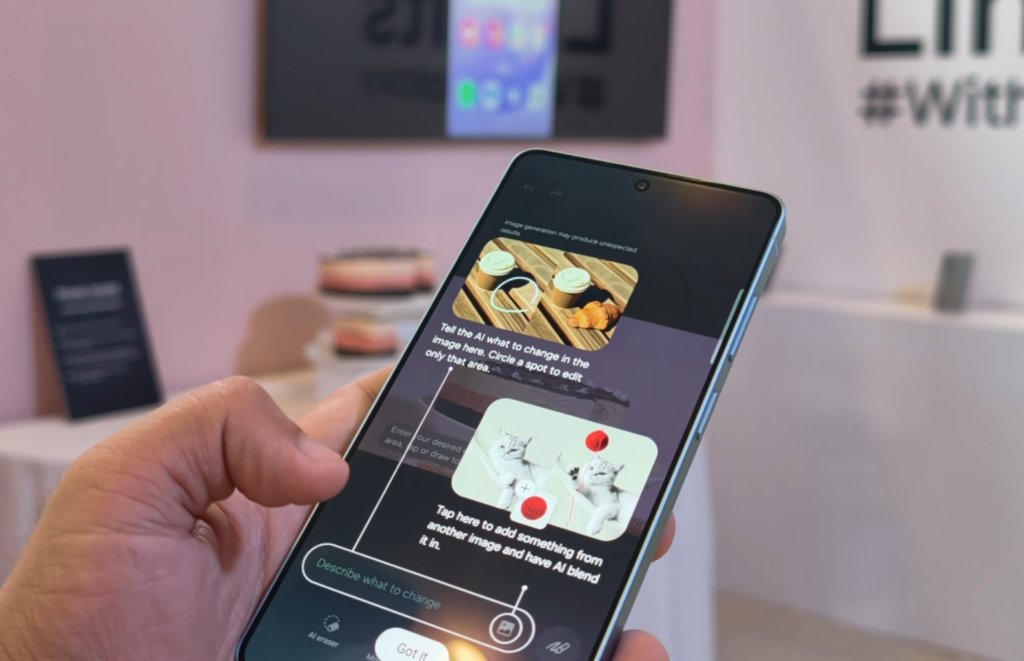
Creative Studio expands this by offering templates for stickers, greeting cards, invitations, and wallpapers. For users who often design social media assets or quick graphics, this reduces the need to jump into third-party design apps.
The key difference this year is that these tools feel more accessible. They are placed within familiar interfaces rather than hidden behind advanced menus.
Performance
Although this hands-on focuses on design and features, performance remains an important foundation.
The Galaxy S26 Ultra runs on the Snapdragon 8 Elite Gen 5 for Galaxy, built on a 3nm process. The S26 and S26+ are powered by the Exynos 2600 2nm processor.
In early usage, app launches were quick and transitions felt fluid. Animations appear consistent across the lineup. While extended gaming tests were not part of this initial session, thermal management during normal operation seemed stable.
The 120Hz adaptive refresh rate contributes significantly to perceived smoothness, especially when scrolling through social feeds and browsing.
Camera and Nightography
The Galaxy S26 Ultra’s 200MP main camera remains the headline hardware feature. During quick indoor testing, detail capture was strong, with balanced exposure.
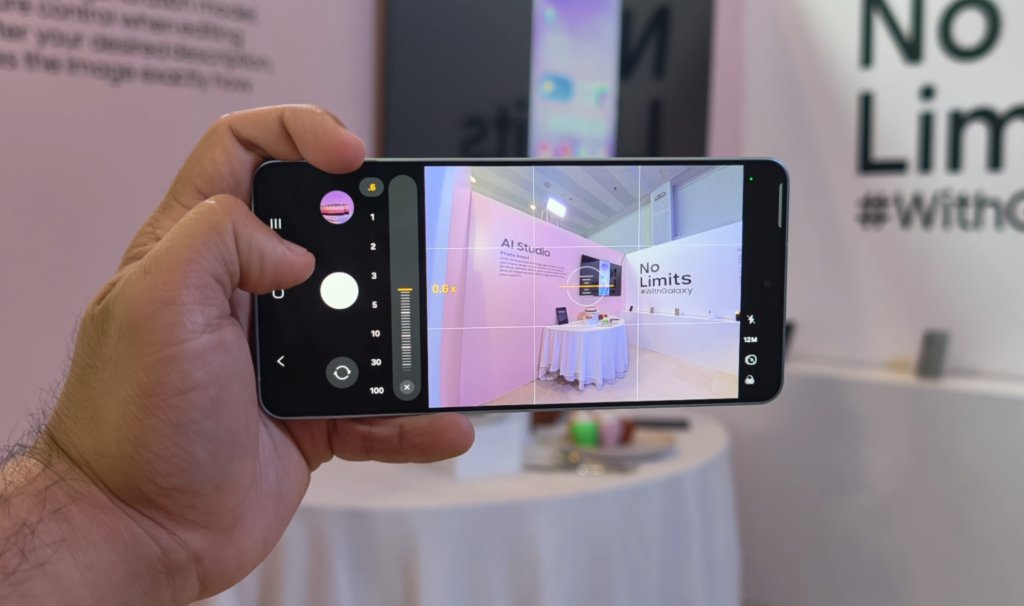
Samsung also highlights improvements to Nightography, supported by enhanced processing and brighter apertures. Low light scenes appear cleaner with less visible noise.
More extensive testing will be needed to evaluate full camera performance, but early samples suggest incremental refinement rather than dramatic change.
Battery and daily practicality
Battery capacities remain consistent with flagship expectations. The Ultra houses a 5,000mAh battery, the S26+ carries 4,900mAh, and the S26 has 4,300mAh.
Wireless charging and Wireless PowerShare continue to be supported across the lineup.
From a design perspective, weight distribution feels balanced, which may help with extended usage despite large display sizes.
Early verdict
The Samsung Galaxy S26 Series does not reinvent the smartphone. Instead, it refines it. The slimmer build improves comfort. ProScaler enhances media consumption quietly in the background. Privacy Display adds situational protection. Galaxy AI features such as Audio Eraser, Call Screening, and smarter screenshot organization feel practical rather than experimental.
For users considering an upgrade, the decision may not hinge on processor benchmarks or standout features alone. It may come down to how much these refinements matter in daily use.
With pre-orders running until March 17 and official availability starting March 18 in the Philippines, the Galaxy S26 Series positions itself as an incremental but focused update. Prices start at PHP 58,990, you can check all the information in this post.
The bigger question is this: are these smarter tools and design refinements enough to justify the jump from your current device?
Discover more from WalasTech
Subscribe to get the latest posts sent to your email.
Get the latest from WALASTECH directly on your Google feed.
Add as a preferred source on Google