



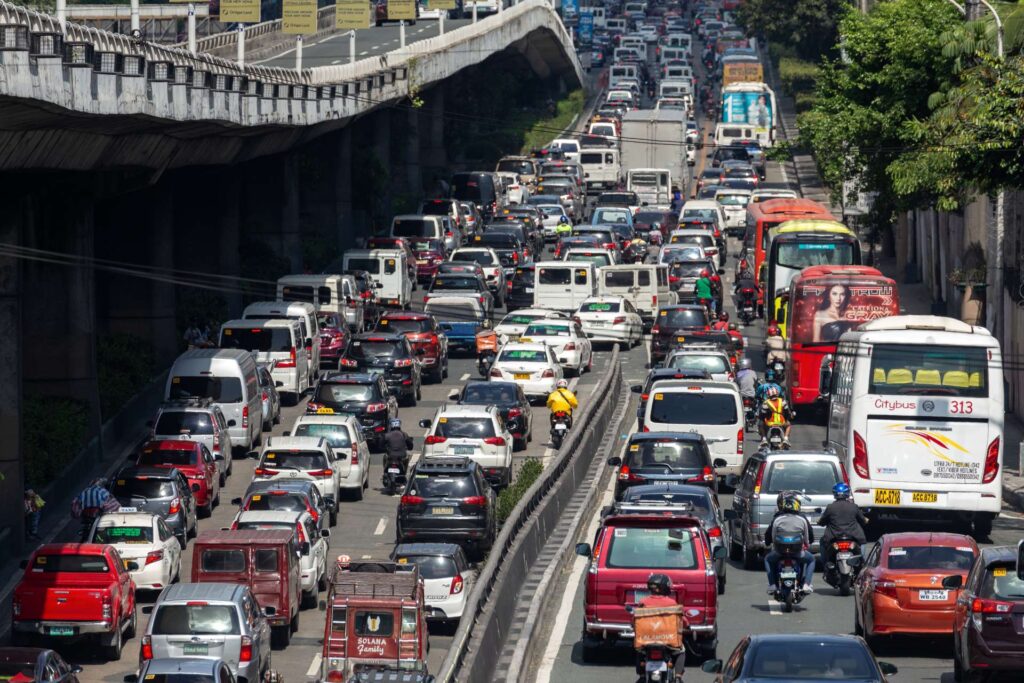
Life on Metro Manila’s roads is defined by movement, but rarely by certainty. Traffic congestion, changing fuel prices, and long working hours shape the daily routines of both drivers and passengers. In this environment, trust is built slowly and often through small, practical changes. For some, electric taxis are becoming part of that process, not as a dramatic shift, but as a quieter way to make everyday travel and work more manageable.
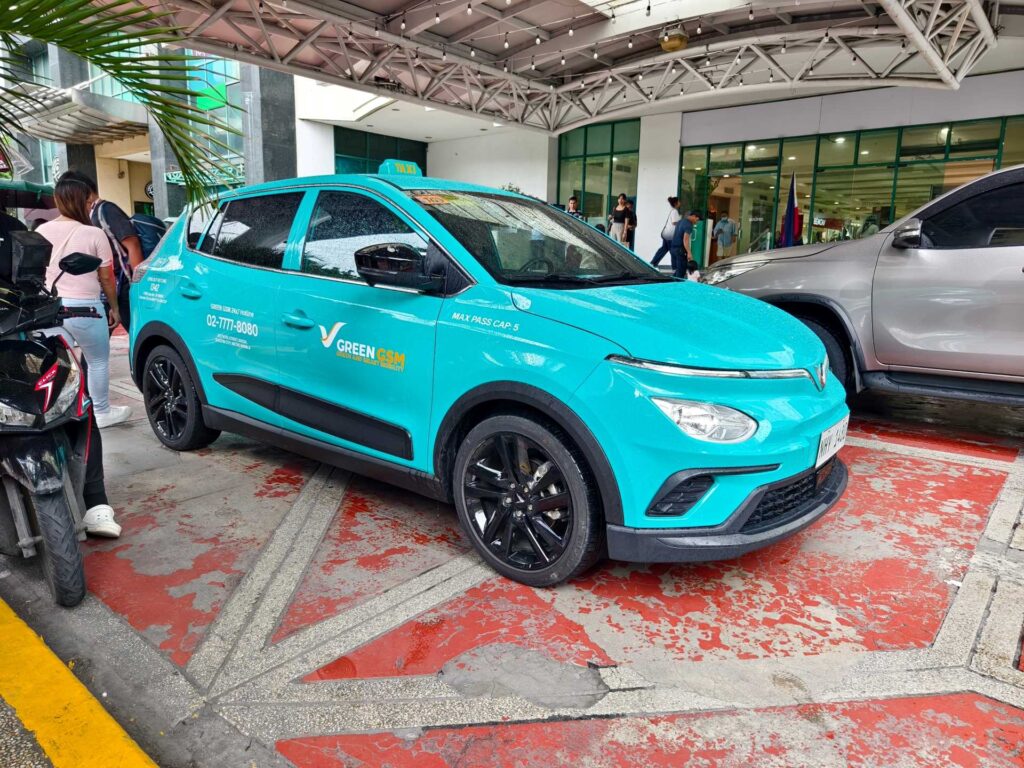
For many drivers, making a living on Manila’s roads has always meant dealing with trade-offs. Income can be unpredictable, costs are difficult to control, and long hours in traffic leave little room for rest or planning. These pressures have pushed some drivers to look at electric vehicles not because of the technology itself, but because of how it affects daily expenses.

Benedick Ferreras, a Metro Manila driver who had never used an electric vehicle before, said the change came down to practical concerns. He shared that he now spends less because there is no fuel to pay for and maintenance costs are lower than with gasoline-powered vehicles. For him, this has made it easier to plan monthly expenses and keep a closer handle on his budget.
Another driver, Carlo Monti Galano, said that not having to worry about rising fuel prices has made a noticeable difference. Charging costs are lower, which gives him more flexibility when it comes to supporting his family and handling other needs. He added that many of his fellow drivers have had similar experiences since switching to electric taxis.
While ride-hailing and taxi work is often linked to unpredictable income, some Green GSM drivers say their earnings now feel more stable. Instead of sharp swings from one week to the next, income has become easier to anticipate. This allows them to plan their working hours better and avoid excessive overtime.
Beyond money, clearer and more predictable work arrangements also matter. For drivers who are used to informal or uncertain setups, knowing what to expect at the end of the month brings a sense of stability. Conversations at charging stations or waiting areas often return to the same topics: fewer surprises, more manageable costs, and work that feels easier to sustain over time.
For many, the appeal of electric taxis is not about novelty or big promises. It is about these small improvements that make daily life a bit easier. The vehicle becomes a tool for coping with everyday realities, not a symbol of sweeping change.
The benefits are not only financial. Hours spent in stop-and-go traffic take a physical and mental toll, especially for drivers who spend most of their day behind the wheel.
Raul Dela Cruz, another driver who was new to electric vehicles, described the difference in simple terms. He said the ride feels smooth and quiet, and in heavy traffic, that makes driving less stressful and easier to manage.
The lack of engine noise and vibration may seem like a small detail, but over time, drivers say it contributes to a calmer workday. Smoother handling and quieter cabins make it easier to stay focused during long hours on crowded streets.
Passengers notice these changes as well. Yaj Myel Manzo, a regular commuter in Metro Manila, said that rides now feel more comfortable and relaxed. He shared that the car is quiet, the driver is careful, and the overall experience feels calm. For him, a good ride is one he does not have to think about.
Consistent service standards and built-in safety features also help create an environment where both drivers and passengers feel more at ease. For many commuters, trust is built through repeated, uneventful trips rather than big claims. A journey that starts and ends smoothly becomes part of the daily routine, and over time, these experiences shape how people think about reliability on the road.
Electric taxis are not changing Manila’s transport system overnight. Instead, they are slowly blending into the city’s daily rhythm. In a place defined by constant movement and congestion, progress often shows up quietly.
Between traffic and trust, small shifts can matter. More predictable workdays, calmer journeys, and a growing sense of reliability may not stand out at first glance, but for the people who live and work on Manila’s roads, they can make a real difference, one trip at a time.
Discover more from WalasTech
Subscribe to get the latest posts sent to your email.
Get the latest from WALASTECH directly on your Google feed.
Add as a preferred source on Google