



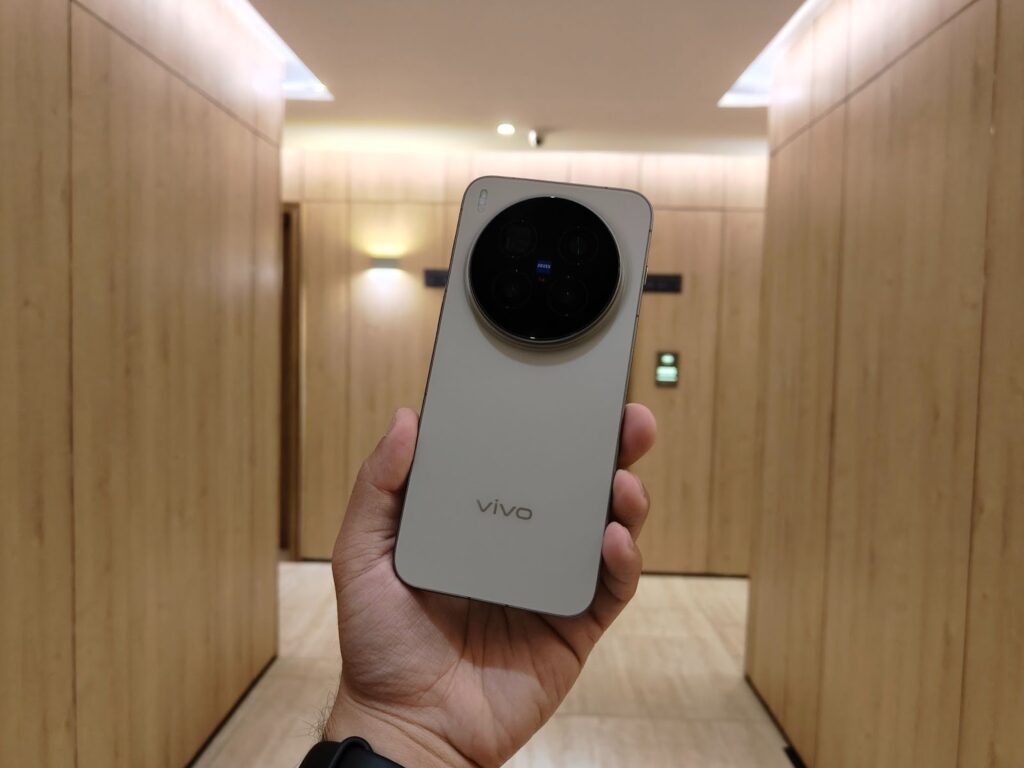
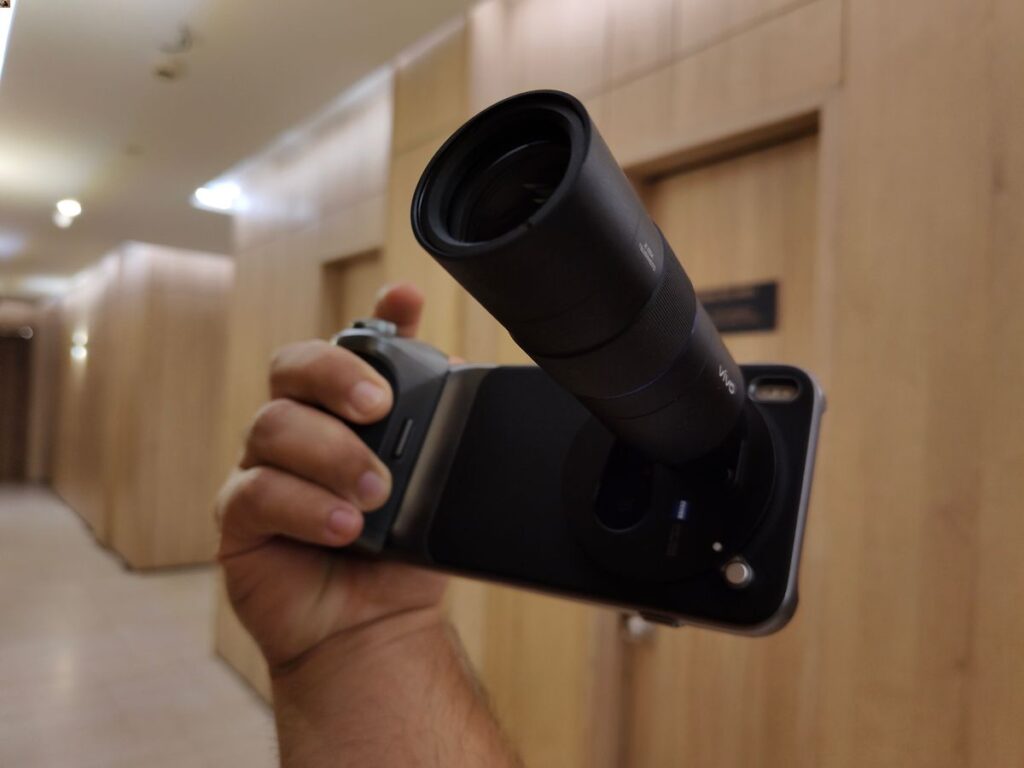
Traveling is often about places, but sometimes it is also about the small tools you bring with you. On a short trip to Vung Tau, a coastal city south of Ho Chi Minh City, I brought the vivo X300 Pro with a 200MP ZEISS APO Telephoto Camera and its Photographer Kit. The plan was simple: walk, look, eat, and take photos. What I did not expect was how easily the phone would fade into the background and let the trip tell its own story.
Vung Tau has always been a working city. Long before it became a weekend escape, it was first a fishing town, then a strategic port, and later a seaside retreat shaped by different periods of history. You still see these layers as you move from the hills down to the shore, from quiet temples to busy waterfronts.

The Climb to the Jesus Christ Statue
Our first stop was the Jesus Christ Statue, one of the city’s most visible landmarks. Getting there is already part of the experience. It took us close to 1,000 steps to reach the summit, a steady climb that slowly opens up views of the city and the sea. At the top, the statue stands with its arms open, facing the shoreline.
From there, the coast curves gently, and fishing boats look like small moving dots on the water. Using the vivo X300 Pro with the telephoto kit, it was easy to frame parts of the shoreline without losing detail, picking out sections of the beach and clusters of buildings even from that height.
The Whale Temple and Vung Tau’s Fishing Past
From there, we went to the Whale Temple, a place that explains Vung Tau better than any guidebook. Back when the town was mainly a fishing village, the sea was both a source of life and a constant risk. Fishermen believed that whales were protectors of those who sailed. When a whale died and washed ashore, it was treated with respect and given proper rites.
Inside the temple, a giant whale’s skeleton is displayed, and people still come to pray for safety and guidance before going out to sea. In the low light of the temple, the vivo X300 Pro kept the details of the bones and wooden interior clear without changing the quiet mood of the place.
Walking Along Vung Tau Beach
Later, we walked along Vung Tau Beach. It is easy to forget that this long stretch of sand used to be mostly private, controlled by resorts and private developments, until the government reclaimed the shoreline and opened it to the public. Today, it feels like a shared space.
The shades and structures along the beach are shaped to resemble whales, a small design choice that quietly connects the modern waterfront to the town’s older beliefs. Using the wide-angle camera of the vivo X300 Pro, it was easy to play with these shapes and keep both the structures and the sea in the same frame.
Seafood Lunch at Ganh Hao Restaurant
For lunch, we went to Ganh Hao Seafood Restaurant, known as much for its view as for its food. The open dining area looks out toward the water, where passenger boats and fishing vessels sit side by side. It is a working view rather than a postcard one.
The Photographer Kit paired with the vivo X300 Pro made it easy to switch between close shots of the dishes and framed views of the boats outside, without needing to leave the table.
The White Palace and a Heavier Side of History
Our last major stop was The White Palace. From the outside, it looks like a calm, well-kept French-style building on a hill, but its story is heavier. It once held a Vietnamese king who, despite being surrounded by comfort, was still a prisoner.
Walking through its corridors and rooms, you feel the contrast between open windows and the idea of being trapped. Photographing the space felt more like documenting a museum than a tourist spot, and the vivo X300 Pro captured the quiet details that help tell that story.
Creating everyday memories with the vivo X300 Pro
By the end of the trip, Vung Tau felt less like a single destination and more like a collection of small stories tied together by the sea. The hills, the temples, the beach, the restaurant, and the old palace all point back to the same themes: work, belief, rest, and memory.
This is where the vivo X300 Pro started to feel less like a camera you bring out only for “important” shots and more like something that simply stays in your hand as you move. You just frame, tap, and keep walking, without feeling like you are interrupting the moment.
What makes this easy is the range the camera gives you. In one moment, you can take in a wide scene, and in the next, you can zoom in to pick out a small detail across the water or high above the street.
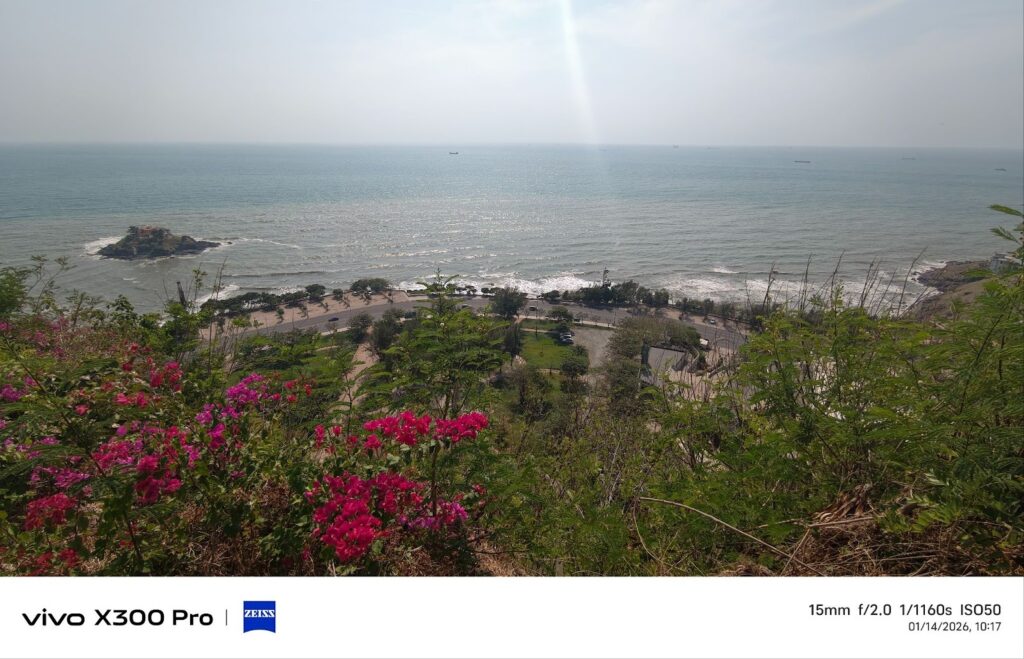
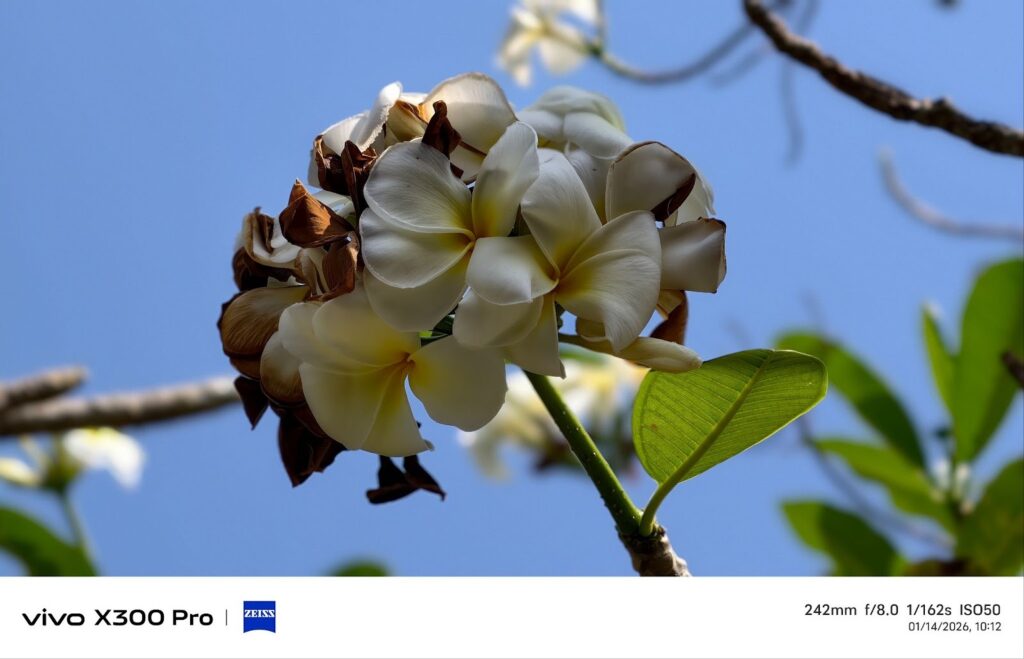
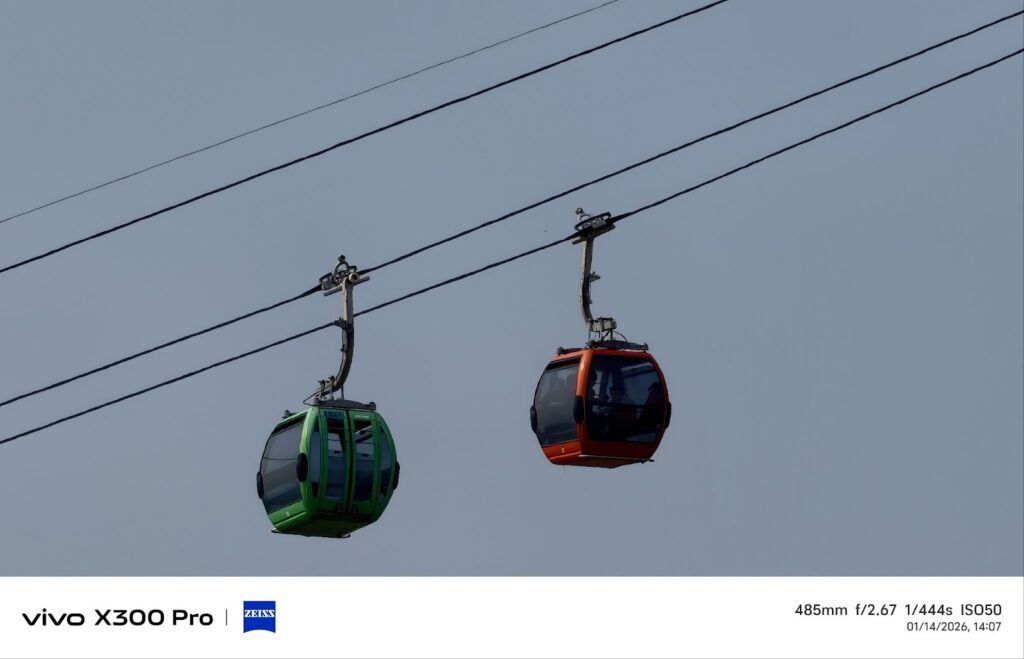
There is no need to walk closer or think too much about settings. By the time the day slows down, you realize the vivo X300 Pro has been quietly keeping up the whole time, letting you focus more on the place than on the device.
And the best part? It’s easy to share with your friends, whether they’re on Android or iOS. One small but useful aspect of traveling with the vivo X300 Pro was how easily it was to share photos with other devices. With vivo EasyShare and OneTap Transfer via NFC, sending images to another Android phone or even to an iPhone did not feel like an extra step you had to think about.
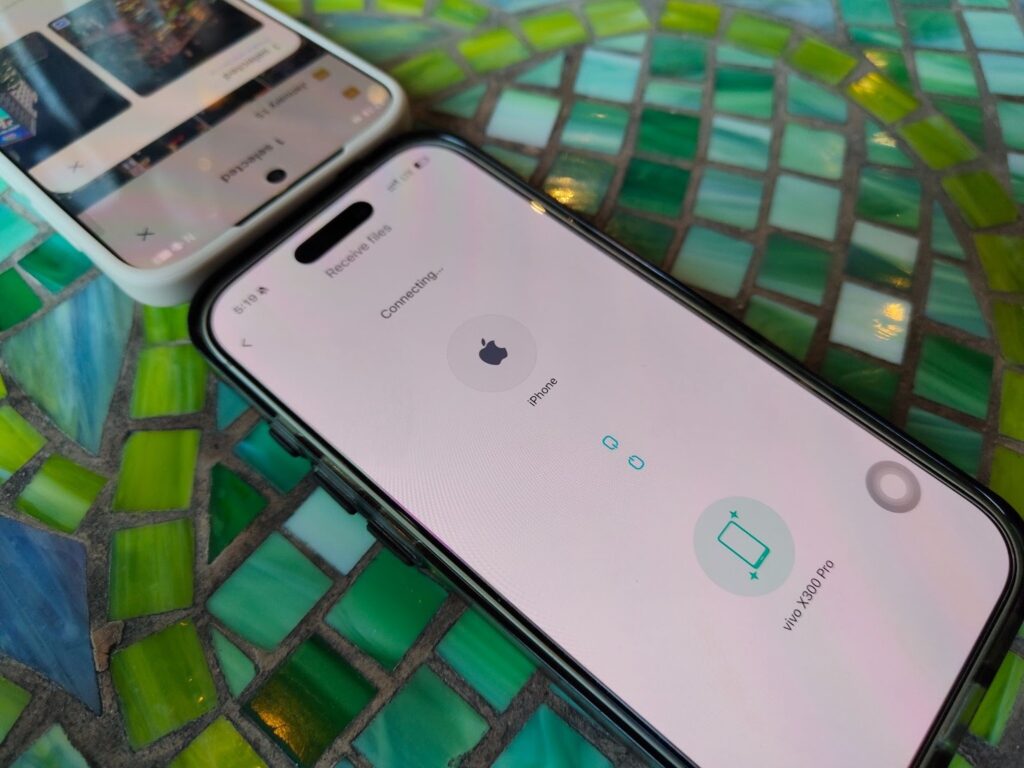
After taking a photo, you can move it to another device in just a few taps, without cables or complicated setup. It is the kind of feature you only really notice when you are traveling with other people, and everyone wants a copy of the photos right away. Instead of dealing with chat apps or compressing files, you can just send the full-quality images and move on.
OriginOS: A part of the story
Using the vivo X300 Pro throughout the trip also highlighted how straightforward OriginOS is in daily use. It does not get in the way of taking photos or moving between apps, which matters when you are walking, climbing steps, or trying to catch a quick moment. Simple things like switching between camera modes, reviewing shots, or jumping to the gallery feel direct and easy to understand. There is no need to dig through menus or remember where things are.
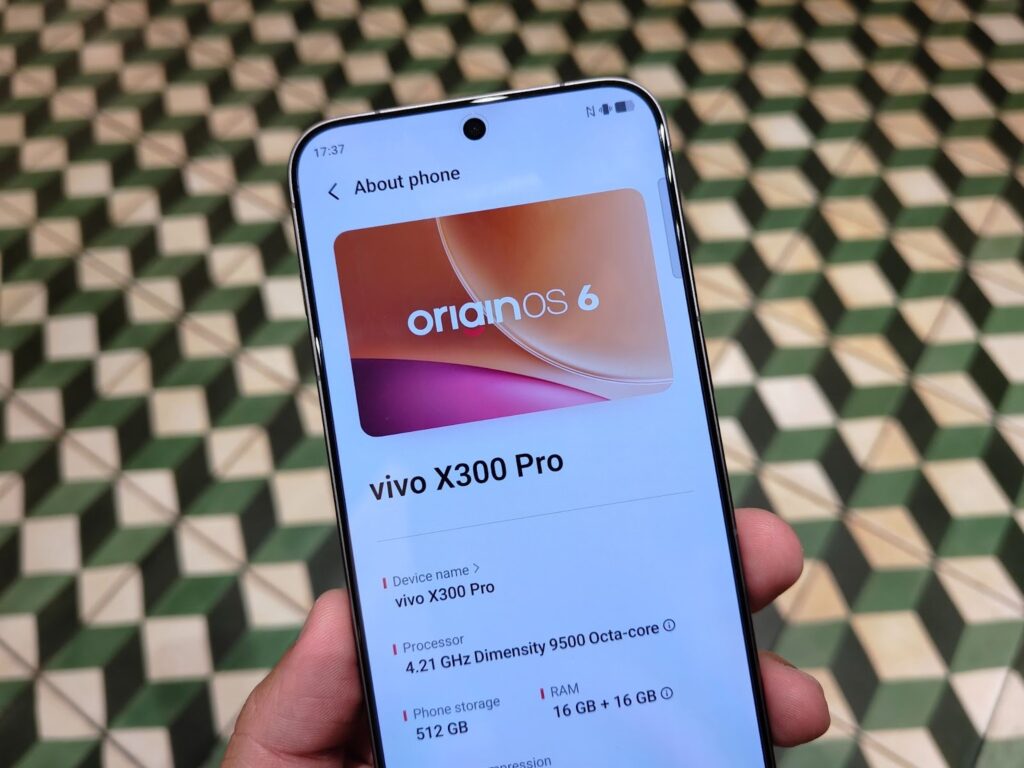
More importantly, OriginOS stays out of the story. In the same way, the phone itself quietly kept up during the walks around Vung Tau, the software does the same. It feels consistent and predictable, whether you are checking photos at the top of the Jesus Christ Statue, sharing images over EasyShare, or just looking back at shots over lunch. That kind of familiarity makes the device easier to live with on a trip, especially when you want to focus more on where you are than on what you are using.
The vivo X300 Pro and its Photographer Kit did not change these places, but they made it easier to keep pieces of them, not just the famous views, but also the quiet moments in between that often end up meaning just as much.
The vivo X300 Pro is now available in stores and online for PHP 77,999, with the vivo ZEISS Telephoto Kit available for PHP 12,999 and the vivo PGYTECH Imaging Grip Kit at PHP 7,999. You can purchase it online at the vivo e-Store, Lazada, or Shopee.
Discover more from WalasTech
Subscribe to get the latest posts sent to your email.
Get the latest from WALASTECH directly on your Google feed.
Add as a preferred source on Google