

The local government of Dagupan City in Pangasinan has started enforcing a ban on pisonet shops as part of its efforts to reduce children’s exposure to online gaming and internet use, according to a report by GMA News.
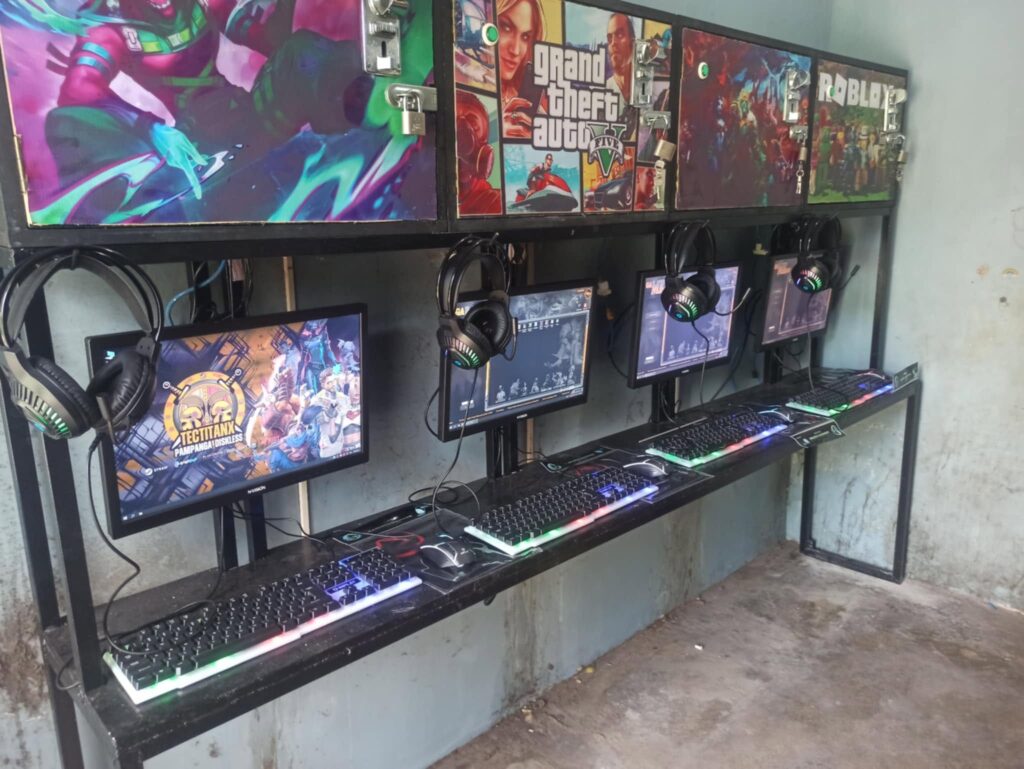
Internet piso shop operators in the city have reportedly received notices ordering them to stop operations within five days in compliance with an existing city ordinance. The move comes as some local governments strengthen measures aimed at protecting children following recent incidents involving students.
Why it Matters: Pisonet shops have long provided affordable internet access, particularly in communities where home internet remains unavailable or expensive. While many use them for gaming, they are also used for schoolwork, research, and communication. The city’s decision raises questions about balancing child protection with access to digital technology.
Dagupan Mayor Belen Fernandez said the closure of pisonet shops is intended to help prevent online gaming addiction among children. She also expressed concern that prolonged exposure to online games and the internet could contribute to abusive behavior among young users.
According to the report, several pisonet shop owners have agreed to comply with the order, while some parents welcomed the city’s decision, saying it could help reduce the amount of time children spend playing online games.
GMA News also reported that other local governments are introducing similar policies. In Dumajug, Cebu, students are no longer allowed to bring smartphones to school, with only analog mobile phones permitted on campus.
While concerns about excessive gaming and internet use among children are valid, banning pisonet shops alone may not address the root of the problem. Parental guidance, digital literacy, responsible internet use, and accessible recreational and educational alternatives all play important roles.
Without these, children may simply shift to using smartphones, tablets, or home internet connections instead of public internet kiosks. The long-term challenge is finding a balance between protecting young users and ensuring they continue to have access to technology for learning and other productive activities.
Get the latest from WALASTECH directly on your Google feed.
Add as a preferred source on Google