

Samsung has introduced Flex Titanium, a new display technology designed to improve the durability and viewing experience of its next generation of Galaxy foldable smartphones. The new display structure combines titanium-based materials with redesigned engineering to reduce crease visibility while making foldable displays stronger and slimmer.
Why it matters: Foldable smartphones have steadily evolved over the past several years, but durability and the visibility of the display crease remain among the biggest concerns for consumers. Samsung says its latest display innovation addresses both challenges while maintaining the thin and flexible design expected from modern foldable devices.
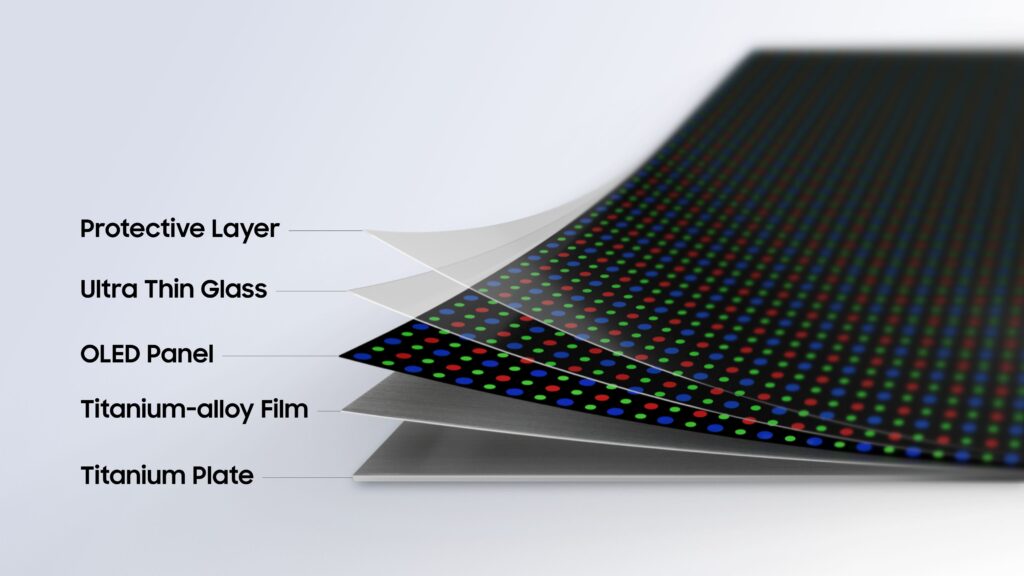
The details: Flex Titanium is built on Samsung’s seven generations of foldable display development and incorporates two new titanium-based components within the display structure: a titanium-alloy film and a titanium plate.
The titanium-alloy film sits beneath the OLED panel, replacing conventional polymer-based support materials with a structure that Samsung says offers significantly greater mechanical stiffness. Despite its strength, the material is manufactured through a precision rolling process that makes it roughly one-third the thickness of a human hair, allowing for a thinner overall display assembly.
Supporting the display underneath is a newly designed titanium plate. Samsung says the plate uses advanced hole-processing technology that removes air gaps between the display module and adhesive, resulting in stronger structural support while maintaining the flexibility needed for repeated folding and unfolding.
The company also combined the new structure with a high-resolution display architecture and next-generation organic materials. According to Samsung, these changes improve display quality while reducing overall power consumption.
Samsung says the combination of these technologies enables a foldable display with improved structural stability, enhanced durability, and reduced crease visibility without compromising portability.
The bigger picture: Samsung has been at the forefront of commercial foldable smartphones since introducing the first Galaxy Fold in 2019. Over seven generations of Galaxy foldables, the company has continued refining hinge mechanisms, display materials, and overall device engineering in response to user feedback.
According to Samsung, consumers consistently want larger immersive displays with less noticeable creases while expecting the devices to remain durable enough for everyday use. The development of Flex Titanium reflects the company’s latest effort to address these expectations through improvements in materials science and display engineering rather than relying solely on hardware redesigns.
Titanium has long been used in demanding applications such as aerospace components due to its combination of strength and resilience. However, integrating the material into a thin, flexible smartphone display presented engineering challenges because of its inherent stiffness.
Samsung says its engineers overcame these limitations by incorporating titanium into both the supporting film and structural plate while preserving the flexibility required for repeated folding.
For consumers: While users may not immediately notice the internal structural changes, the new display technology is expected to deliver a more refined foldable experience through a less visible crease, improved durability, and better power efficiency. These enhancements could contribute to longer-lasting foldable devices while maintaining the premium design expected from Samsung’s flagship lineup.
The technology also highlights the continued evolution of foldable smartphones as manufacturers shift from proving the concept to refining everyday usability and reliability.
What’s next: Samsung confirmed that Flex Titanium will make its debut in the company’s next-generation Galaxy foldable devices. Additional details, including the first smartphones to feature the technology, are expected to be announced during the upcoming Galaxy Unpacked event.
Consumers in the Philippines can also register through Samsung’s official website ahead of Galaxy Unpacked to receive a PHP 2,000 e-voucher and become eligible for promotional offers tied to the new Galaxy devices.
The Bottom Line: Rather than introducing an entirely new foldable design, Samsung is focusing on improving one of the category’s most important components. With Flex Titanium, the company aims to make future Galaxy foldables slimmer, stronger, and more durable while further reducing the visibility of the display crease that has long defined foldable smartphones.
Get the latest from WALASTECH directly on your Google feed.
Add as a preferred source on Google