

TCL has marked its 45th anniversary with the inauguration of the TCL Industrial Museum in Huizhou, China, the city where the company was founded in 1981. Built on the former factory site of TTK, TCL’s predecessor, the museum traces the company’s growth alongside the development of China’s electronics industry.
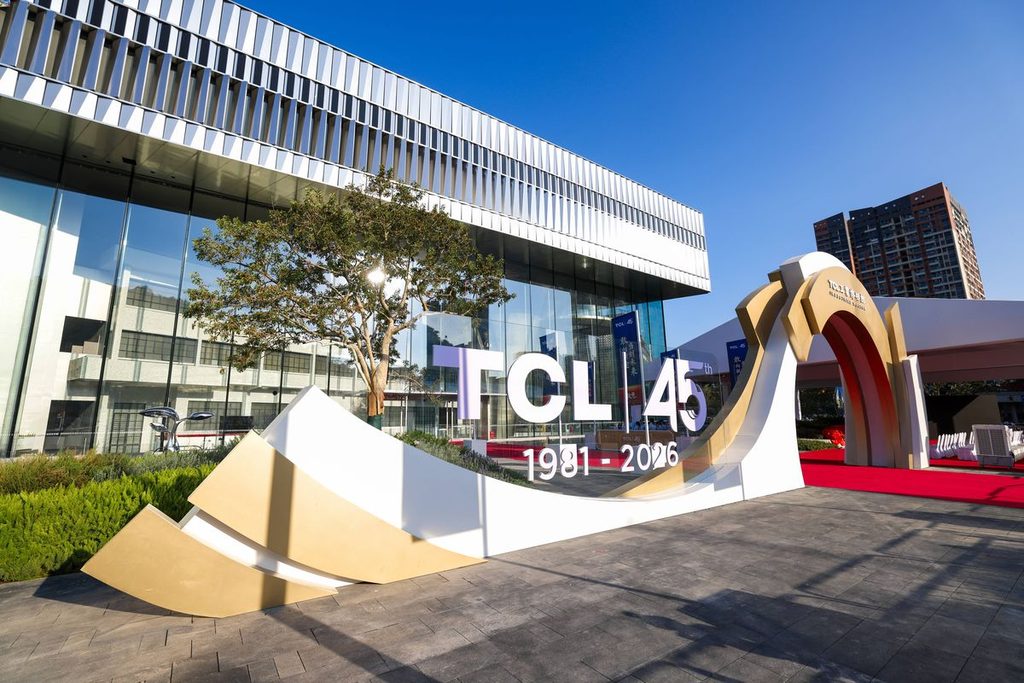
The museum brings together historical products, technological milestones, and records of TCL’s business transformation. The opening also highlights how the company has evolved from its manufacturing roots into a global business spanning televisions, display panels, smart devices, and clean energy.
Why it matters: TCL’s anniversary museum offers a look at the company’s development over four and a half decades, including the strategic changes that helped expand its businesses. Its exhibits connect the history of consumer electronics with the company’s current focus on display technology, smart devices, and sustainability.
The details: The TCL Industrial Museum spans more than 23,000 square meters, including over 9,000 square meters of exhibition space. It houses more than 3,000 curated pieces across six exhibition halls and a central atrium.
The collection covers several periods of technological development, with exhibits ranging from a 1920s Nipkow mechanical scanning disk to China’s first television set and first commercial computer. It also features the world’s first mass-produced printed OLED 4K display, developed by TCL CSOT in 2024.
The television gallery includes more than 100 vintage television sets from around the world, illustrating how display technology has changed over time.
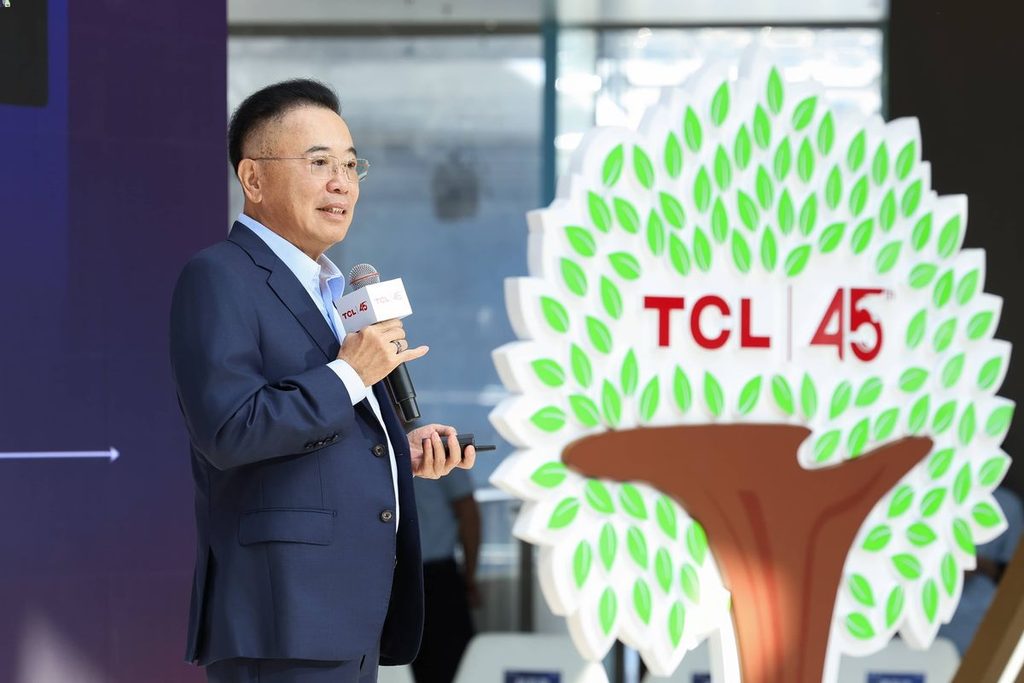
TCL founder and chairman Li Dongsheng said the museum is intended to preserve the company’s history while inspiring its next stage of development. He highlighted entrepreneurship, transformation, and innovation as key elements of TCL’s journey over the past 45 years.
The bigger picture: One of the company’s major turning points came in 2019, when TCL completed a restructuring that established TCL Technology and TCL Industries as independently operated entities.
TCL Technology focuses on display technology and new energy businesses, while TCL Industries specializes in smart devices and services. The restructuring gave the two organizations separate strategic priorities.
From 2019 to 2025, TCL Technology’s revenue more than tripled, rising from approximately US$8.4 billion to US$27 billion. TCL Industries’ revenue more than doubled during the same period, increasing from US$11.7 billion to approximately US$24.9 billion.
The company also cited several milestones across its businesses. TCL TV ranked second globally by shipment volume in 2025, while TCL CSOT ranked second worldwide in overall TV panel market share, according to Omdia.
In clean energy, TCL Zhonghuan is described as the world’s largest producer of solar-grade silicon crystals and a major supplier in the global silicon wafer market. TCL was also named one of TIME’s World’s Best Companies in 2026.
Between the lines: TCL’s museum is not just a collection of older products. Its exhibits also highlight how the company has adapted its business as technology and market conditions have changed.
The 2019 restructuring illustrates this approach by separating its display and new energy operations from its smart device and services business. The revenue growth reported by both entities between 2019 and 2025 provides one measure of their development following the change.
The company’s current portfolio also shows how its business extends beyond televisions, covering display manufacturing, smart devices, and components used in clean energy.
For Filipinos: TCL is known in the Philippines for its televisions and home appliances, including air-conditioning products. Its global operations in display technology and manufacturing support a wider portfolio than the consumer products typically seen in retail stores.
The museum’s opening provides additional context for the company’s history and the business structure behind its products. However, the anniversary announcement does not include specific plans for new Philippine products or local investments.
What’s next: TCL says it will continue investing in technology development, sustainable growth, and global brand-building. Its initiatives include its role as a Worldwide Olympic and Paralympic Partner, as well as programs such as TCLArt, TCLforHer, TCLGreen, and TCLYoung, which extend its activities into culture, social engagement, and sustainability.
The company said these efforts will remain part of its plans as it enters its next chapter.
The Bottom Line: TCL’s 45th anniversary and the opening of its Industrial Museum in Huizhou highlight the company’s evolution from a manufacturing business founded in 1981 into a global technology group. The museum brings together more than 3,000 exhibits, while the company’s reported growth in display technology, smart devices, and clean energy reflects its broader business transformation.
Get the latest from WALASTECH directly on your Google feed.
Add as a preferred source on Google