

The vivo X500 Pro Max is built around a clear idea: give users a versatile camera system without sacrificing the everyday experience of using a flagship smartphone. Its combination of a 200MP ZEISS APO telephoto camera, a 50MP main camera, a high-resolution 144Hz display, and a large battery puts photography and content creation at the centre of the experience.
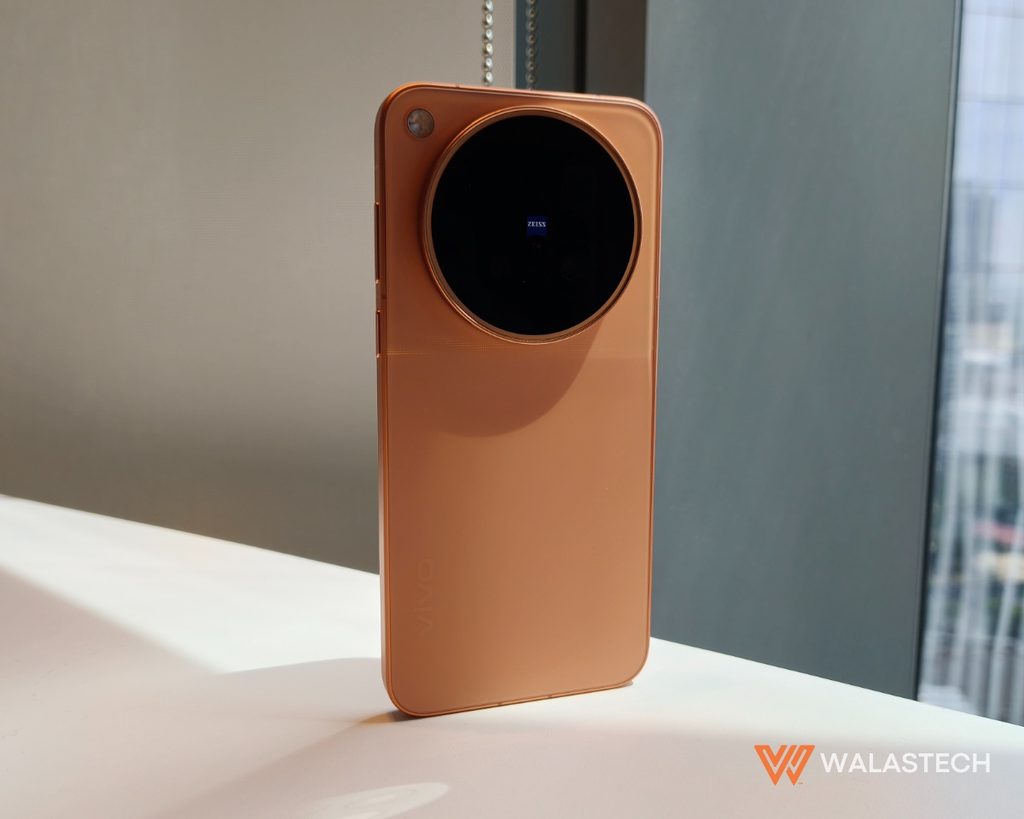
What if your smartphone could bring distant subjects closer without sacrificing the details that make a photograph worth keeping? Here’s what I think about the device after using it for quite some time. Check our full review below.
Specifications
- Processor: MediaTek Dimensity 9600 Pro
- RAM: 12GB
- Storage: 256GB, 512GB
- Operating System: OriginOS 7
- Display: 6.85-inch ZEISS Master Color display
- Resolution: 1440 × 3168 pixels
- Refresh Rate: 1Hz–144Hz
- Peak Brightness: Up to 4,400 nits
- Display Features: Dolby Vision, Ultra HDR
- Rear Main Camera: 50MP Sony LYTIA L910, 1/1.28-inch sensor, f/1.57 aperture, 24mm equivalent, 3-degree gimbal OIS, ZEISS TrueDynamic
- Rear Telephoto Camera: 200MP HP0 sensor, 1/1.4-inch sensor, f/2.67 aperture, 85mm equivalent, OIS, ZEISS APO
- Rear Ultra-Wide Camera: 50MP JN5 sensor, 1/2.75-inch sensor, f/2.0 aperture, 15mm equivalent
- Front Camera: 50MP JN1 sensor, 1/2.76-inch sensor, f/2.0 aperture, 20mm equivalent, 92-degree field of view, ZEISS
- Video Recording: Up to 4K at 240fps, 17 EV Log recording, cinematic video modes, 10-bit 4:2:2 recording, ACES support
- Battery: 7,800mAh BlueVolt
- Wired Charging: 90W FlashCharge
- Wireless Charging: 40W FlashCharge
- Connectivity: 5G, Wi-Fi 2.4GHz/5GHz/6GHz, Bluetooth 6.0, NFC, USB 3.2
- SIM: Dual nano-SIM and eSIM support
- Security: 3D ultrasonic fingerprint sensor
- Durability: IP68 and IP69 ratings
- Optional Camera Accessory: ZEISS Telephoto Extender Gen 2 Ultra, 400mm equivalent
What’s in the box
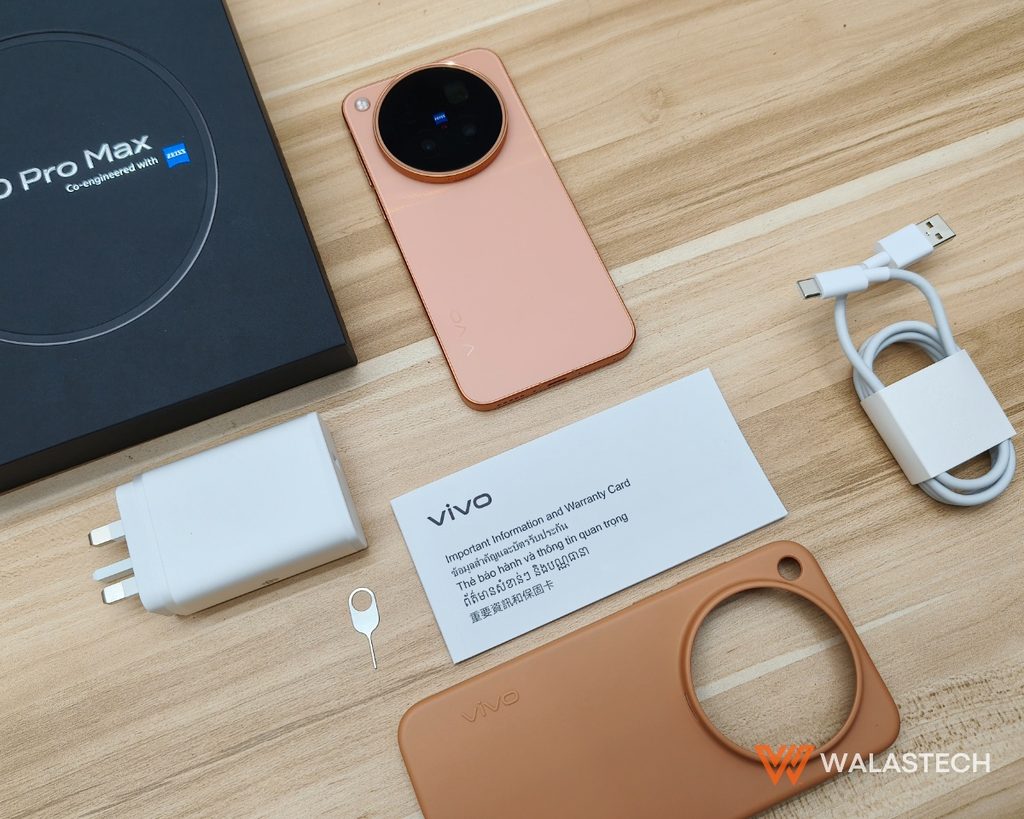
Our package consists of the following: the phone itself, a similarly-colored matte silicone case, a SIM tray pin, a user manual, the 90-watt FlashCharge adapter, and the USB A to C data and charging cable. We did not have the telephoto lens kit, so we will not be able to cover that in this review and instead focus on the phone itself and its capabilities.
Design and Construction
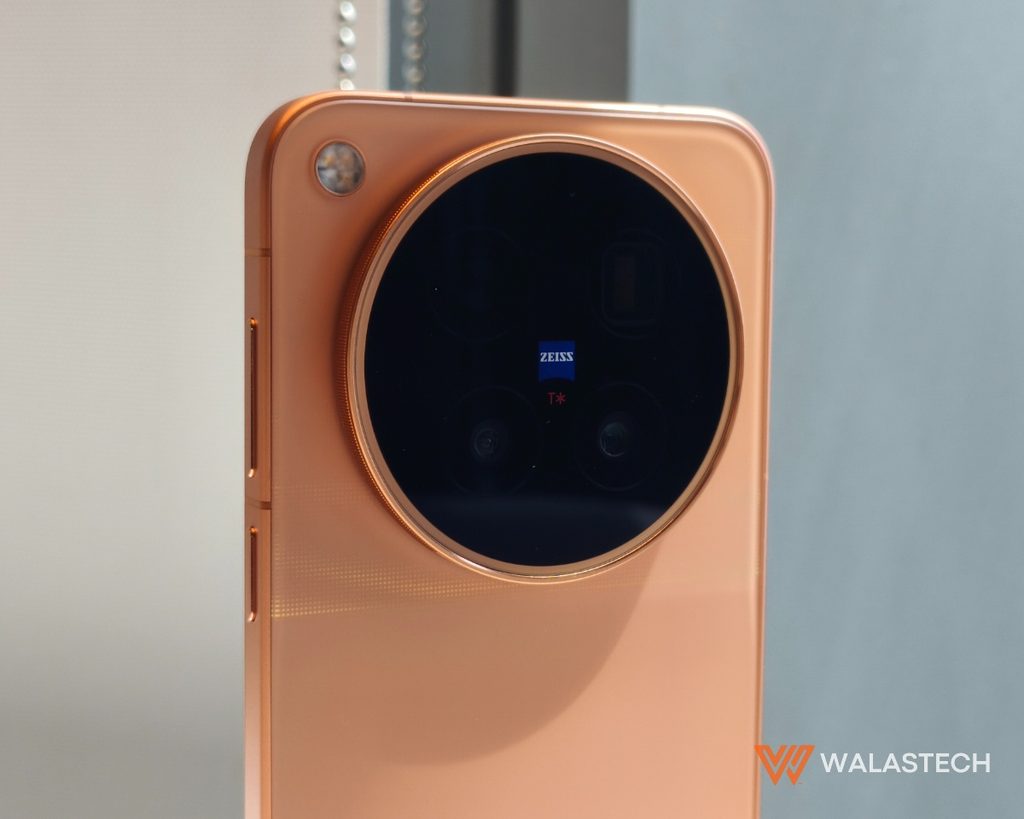
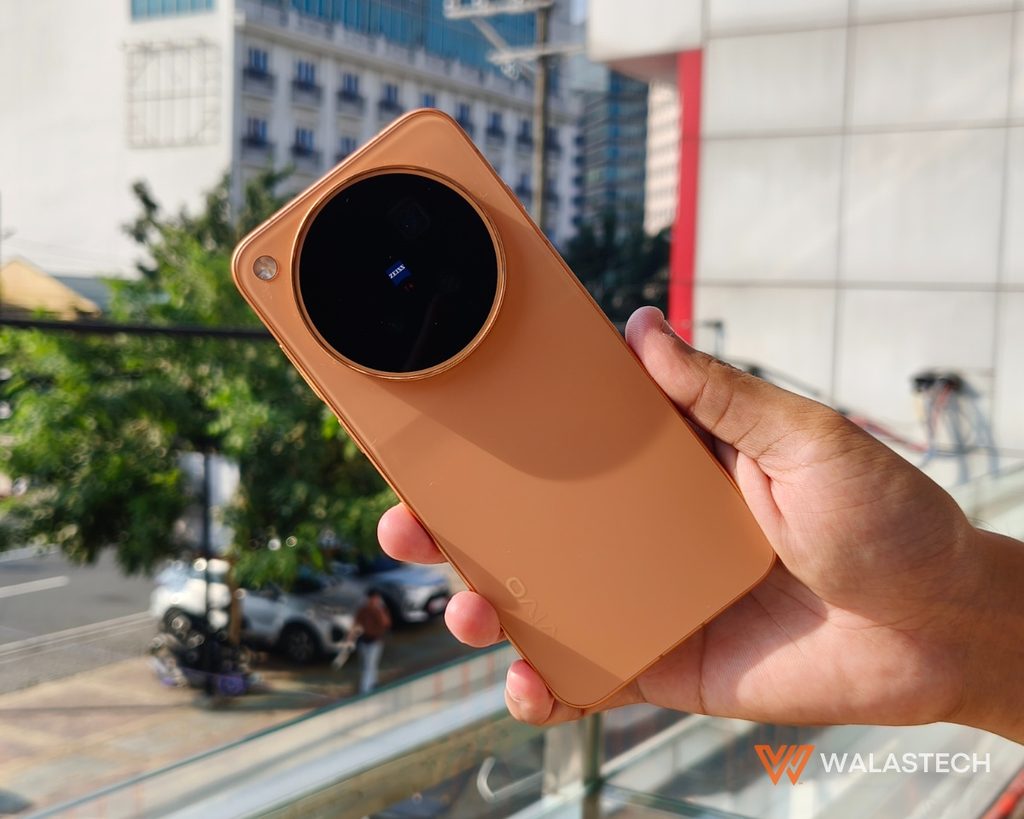
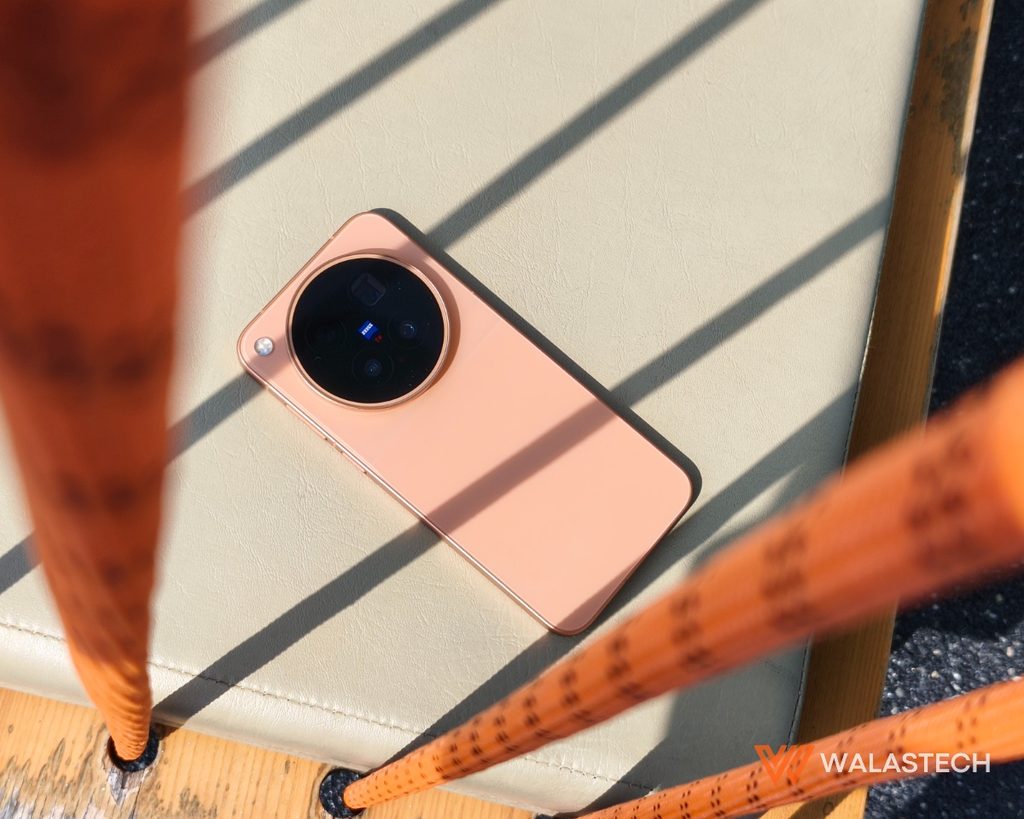
The vivo X500 Pro Max has the appearance of a camera-focused flagship. Its elevated rear camera assembly gives the device a top-heavy look, but the actual handling experience is more comfortable than the design might suggest. During use, the phone remained comfortable to grip for extended periods.
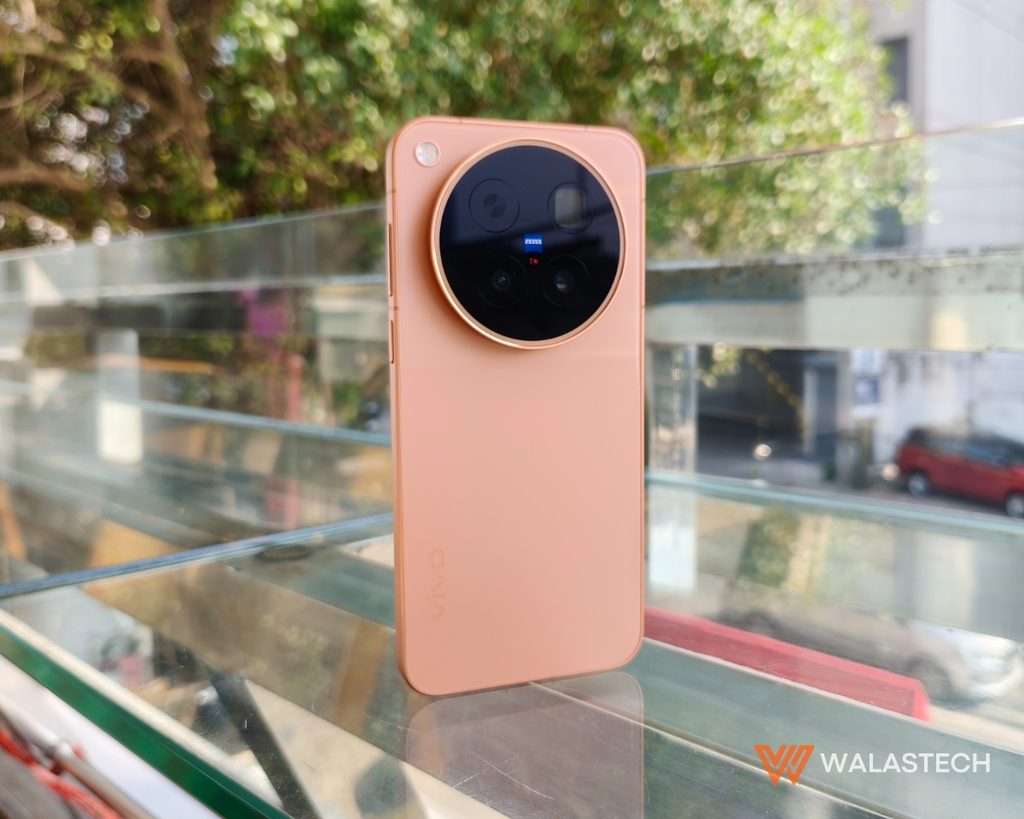
The rear camera assembly is a major part of the design, and the glass surrounding the cameras contributes to its premium appearance. The overall construction looks suited to a flagship device, although the large camera hardware remains visually prominent.
vivo describes the design as a metallic biscuit-style camera module, with a master ring and textured detailing. The company’s design approach also uses a gently sloping surface around the camera area to reduce the perceived protrusion of the module. That transition is noticeable in the hand and contributes to the phone’s overall finish.
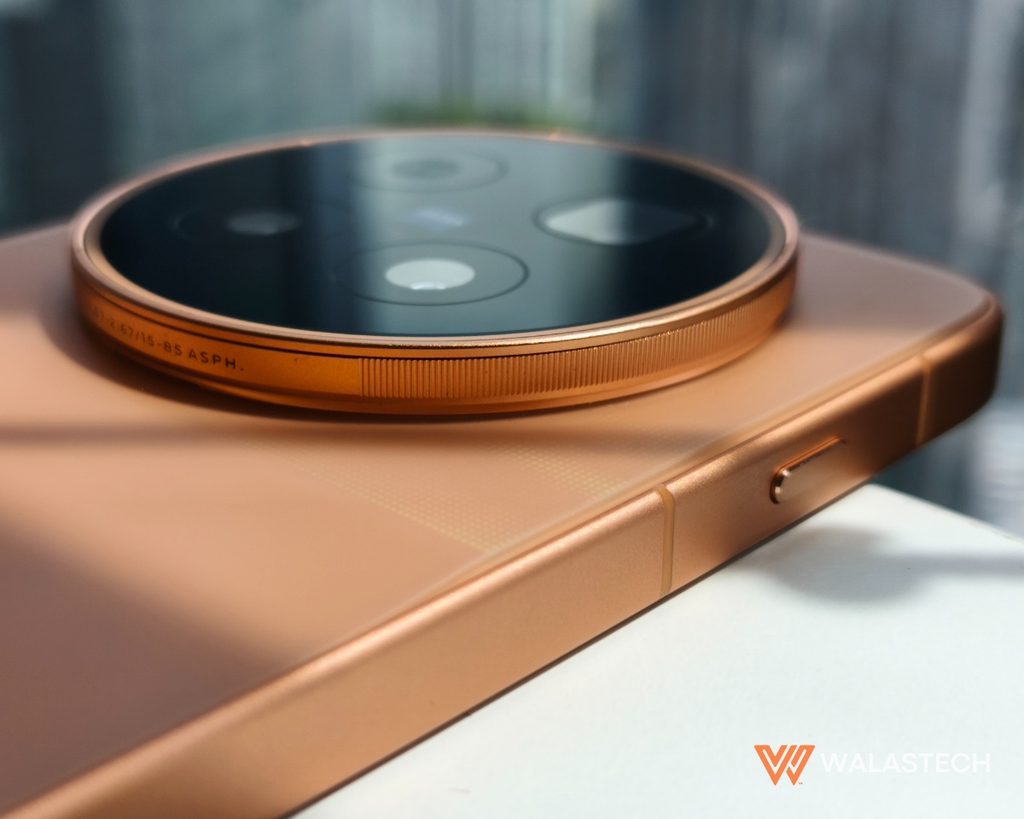
The rear glass contributes to its premium feel. The surface has a refined finish, while the elevated glass around the camera area creates an interesting transition when running your fingers across the back. Rather than feeling like an ordinary camera bump attached to a flat panel, the design gives the phone a more distinctive physical character.
The camera module does not sit flush with the rear panel, but the phone can remain standing when placed on a very flat surface. This makes it possible to put the device down without it immediately feeling unstable, although the result may vary depending on the surface.
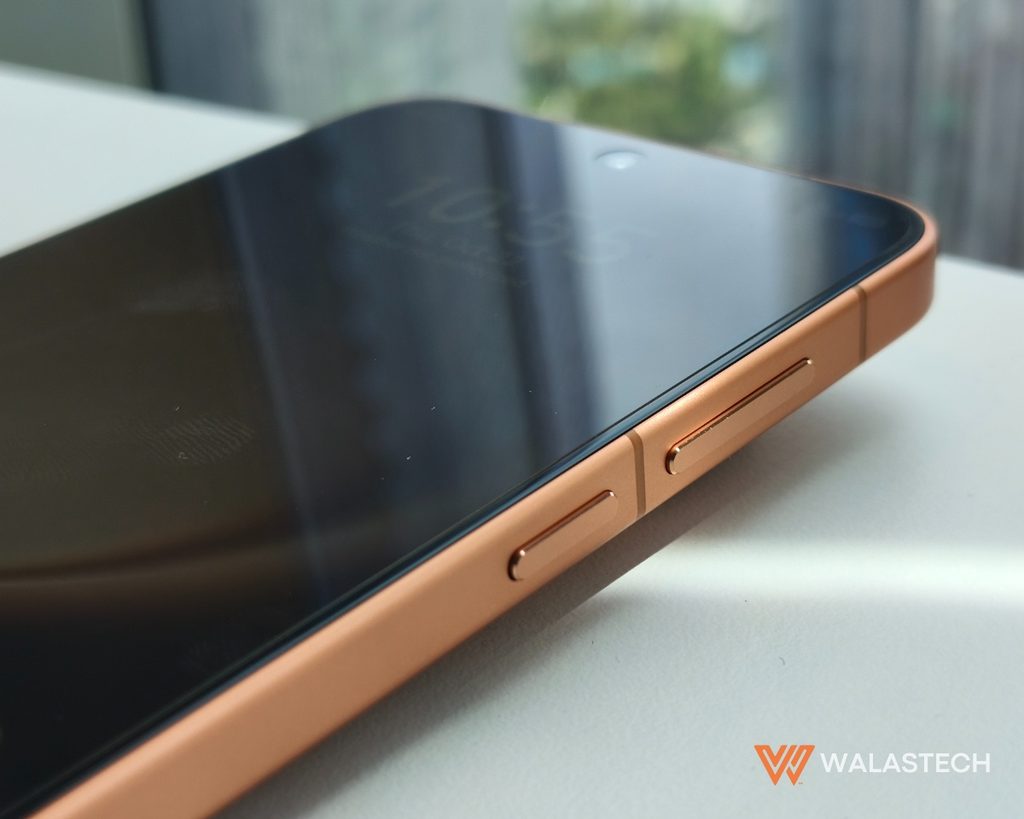
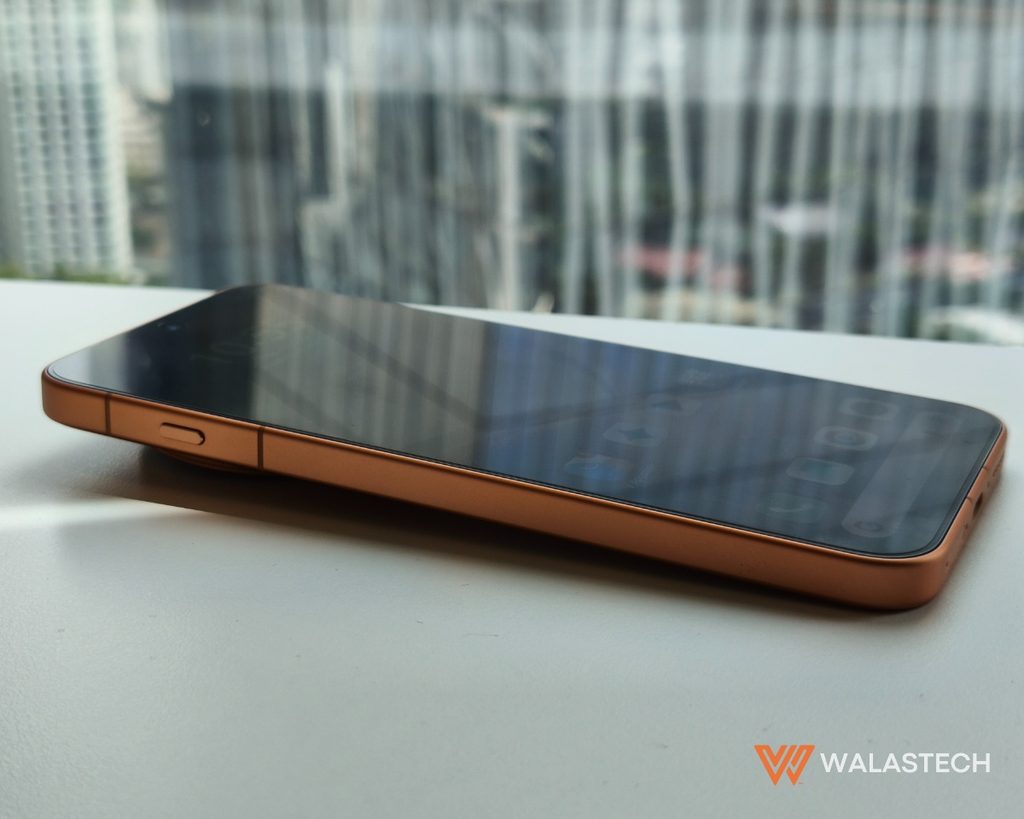
At the right side is the power and lock button as well as the volume keys. The left side has the multifunction button that mainly acts as your vibration mode toggle on long taps and flashlight on quick double presses, but can be customized in the settings.
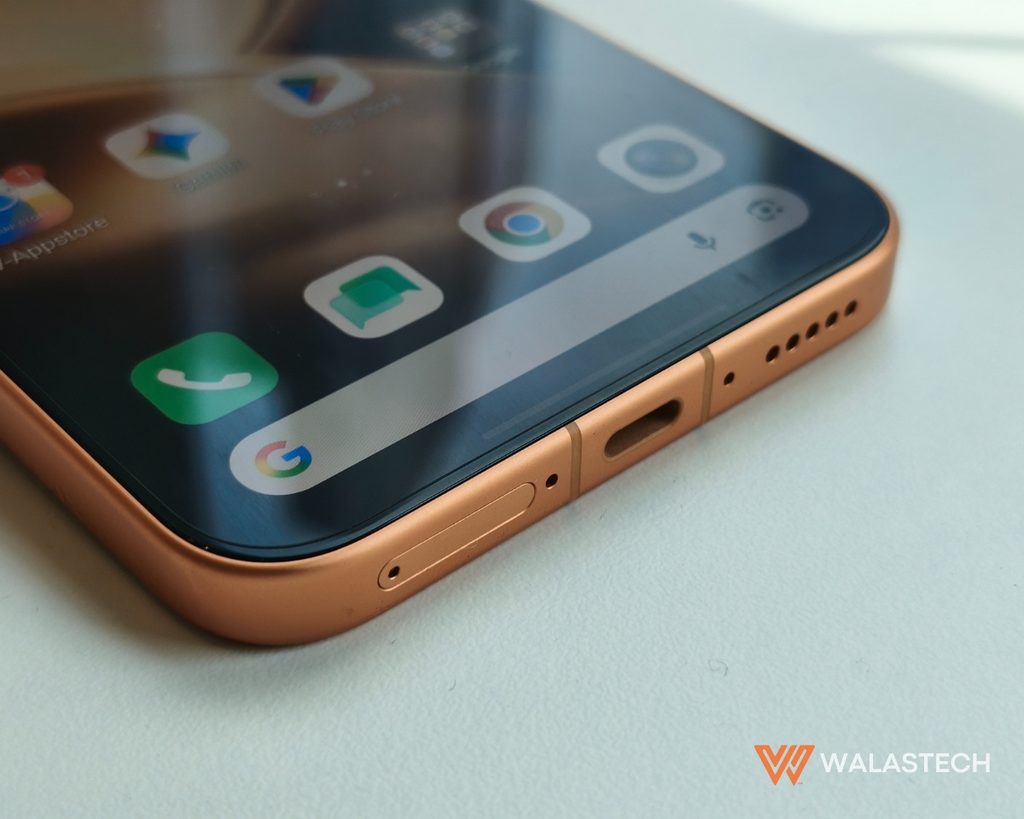
At the bottom is the USB-C port, the microphone, the dual nano SIM tray, and the bottom-firing loudspeaker.
The IP68 and IP69 ratings provide protection against dust and water under specified test conditions. As with other smartphones carrying these ratings, the device should not be treated as completely waterproof, and its resistance can change with wear or damage.
The 3D ultrasonic fingerprint sensor provides biometric security for unlocking the device and accessing protected applications. Its inclusion is consistent with the phone’s flagship positioning. It is fast and responsive, though it is a bit above than what I am used to, though, so it may take awhile before I get acquaintaed with it.
Display and Audio
The 6.85-inch ZEISS Master Color display is one of the vivo X500 Pro Max’s major strengths. Its 1440 × 3168 resolution provides a sharp image, while the adaptive 1Hz–144Hz refresh rate supports both smooth movement and more efficient display operation when high refresh rates are unnecessary.
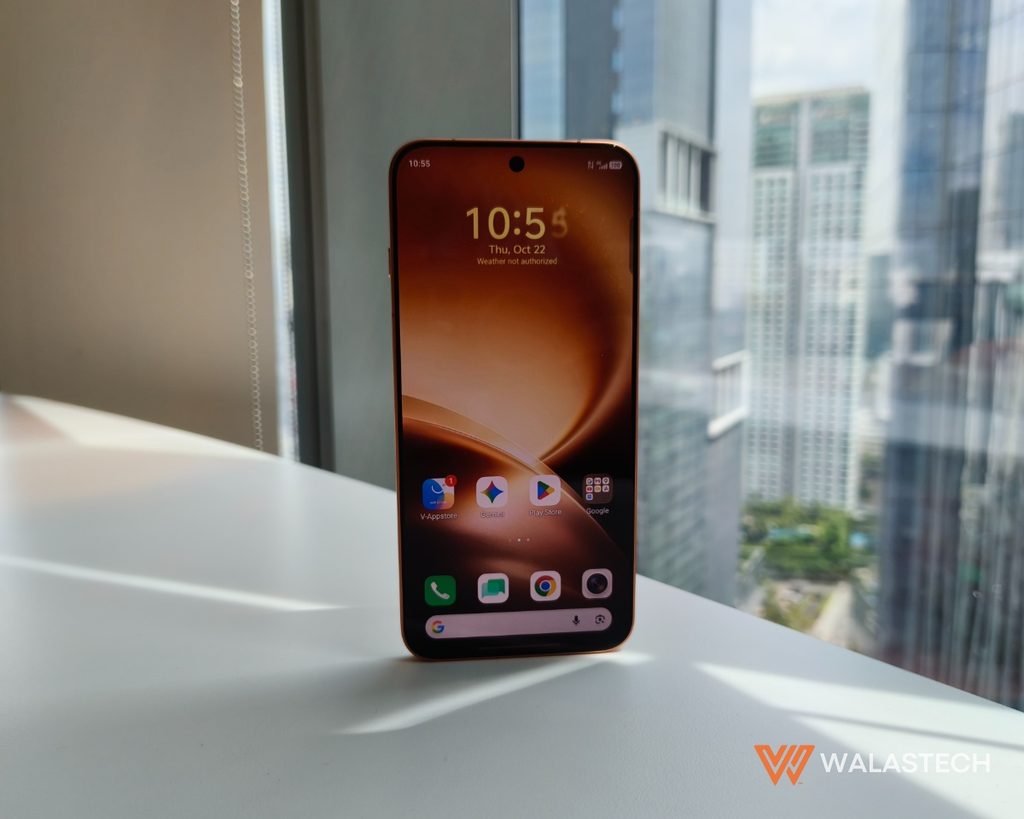
During use, the display produced convincing, colour-accurate results. We find it particularly useful when reviewing photographs, watching videos, or editing content directly on the phone. Its support for Dolby Vision and Ultra HDR also makes it suitable for compatible high-dynamic-range content.
The advertised peak brightness of up to 4,400 nits provides additional headroom for demanding lighting conditions, although peak brightness figures do not necessarily represent the brightness maintained across the entire display.
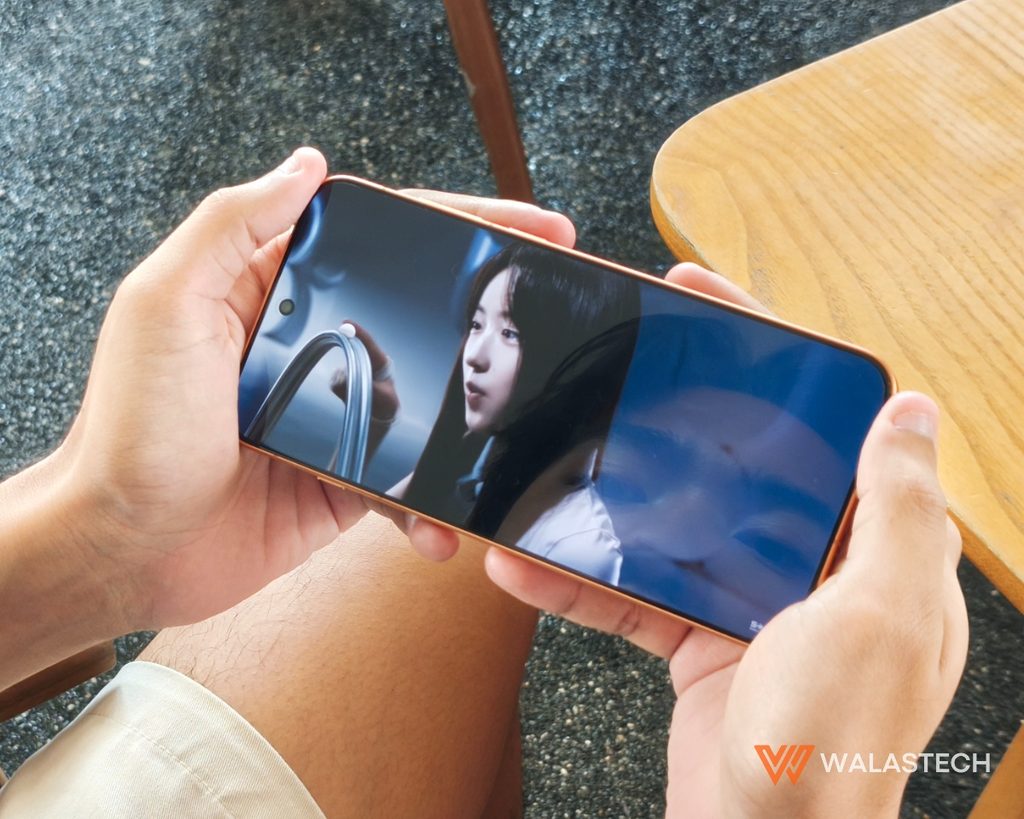
Audio output is loud and clear at normal listening levels. Voices and other details remain crisp, making the speakers suitable for watching videos and playing games without headphones. However, pushing the volume beyond 100% can introduce audible cracking, so maximum amplification is not ideal for every recording.
Overall, the display is well suited to both entertainment and photography, while the speakers provide good output as long as the volume is kept within a reasonable range.
Camera
The camera system is the main reason to consider the vivo X500 Pro Max. Its hardware combines a 50MP ZEISS TrueDynamic main camera, a 200MP ZEISS APO telephoto camera, a 50MP ultra-wide camera, and a 50MP front camera. Together, these provide different perspectives for everyday photography, portraits, architecture, and more demanding subjects.
Main camera and everyday photography
The 50MP main camera uses Sony’s LYTIA L910 sensor, with a 1/1.28-inch sensor size, an f/1.57 aperture, and a 24mm equivalent focal length. It also features three-degree gimbal optical image stabilisation.
The ZEISS TrueDynamic system is designed to handle scenes with a broad range of brightness levels. In practice, the main camera’s usefulness extends beyond its specifications, as the supplied photographs show how the phone handles different subjects and lighting conditions. Post-processing may take a few seconds before the actual result comes to life, which turns out really well. Here are some sample photos:
For food photography, the sample images retain visible details in pastries, sauces, fruit, and garnishes. The colours are rich, with warm tones that make the dishes look appealing without completely losing their individual textures. The camera also captures the contrast between the brightly lit food and the surrounding plate.
Architecture photography demonstrates another aspect of the main camera’s capabilities. The building samples show balcony railings, window frames, facade patterns, and other structural details. The images retain a clear sense of depth, while the bright sky and sunlit walls remain distinct from the darker areas between the buildings.
These photographs also show how framing affects the final result. Wider compositions capture entire buildings and surrounding spaces, while tighter shots draw attention to individual architectural elements. This flexibility is useful for travel photography, property documentation, and everyday photography.
200MP ZEISS APO telephoto camera
The 200MP ZEISS APO telephoto camera is the most distinctive part of the system. It uses a 1/1.4-inch HP0 sensor, an f/2.67 aperture, an 85mm equivalent focal length, and optical image stabilisation.
In my experience, zoom photography was very good through 10x magnification. The camera can bring distant subjects closer while retaining useful detail, making it practical for architectural features, event photography, and subjects that cannot easily be approached.
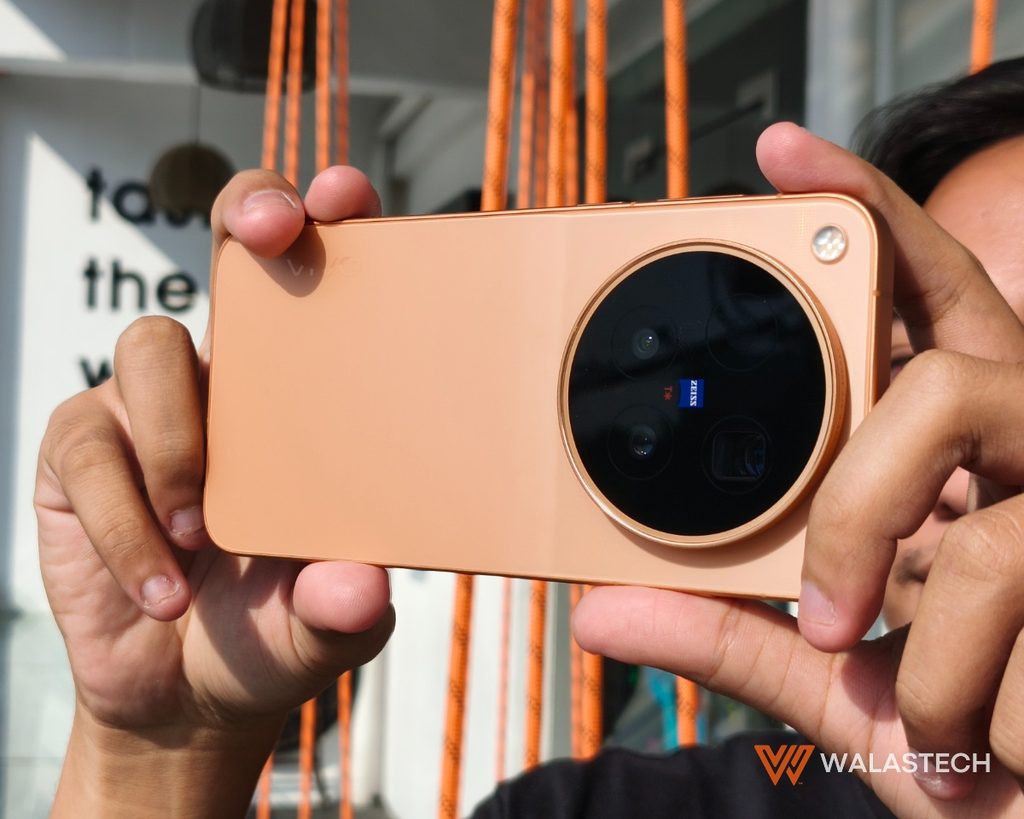
The APO designation is also relevant to the lens design, which aims to control chromatic aberration. Combined with the high-resolution sensor and image processing, the telephoto camera provides considerable flexibility when framing a subject.
However, higher zoom levels should be approached with realistic expectations. Beyond 10x, computational processing plays a more prominent role, and images can look increasingly polished rather than showing entirely natural detail. The results may still be useful, but the additional magnification does not necessarily mean that every fine detail has been captured optically.
The optional ZEISS Telephoto Extender Gen 2 Ultra takes the system further, offering a 400mm equivalent focal length. Since this review covers the phone without that accessory, the assessment here reflects the built-in camera system alone.
Ultra-wide camera
The 50MP JN5 ultra-wide camera has a 15mm equivalent focal length and an f/2.0 aperture. It is suited to scenes that benefit from a wider field of view, including buildings, interiors, landscapes, and group photographs.
The supplied architecture samples demonstrate why an ultra-wide perspective is useful when photographing tall structures from relatively close distances. It allows more of the building and its surroundings to fit into the frame, although perspective distortion can become more noticeable when shooting upward or placing subjects near the edges.
The ultra-wide camera also gives users another way to approach a scene without having to move as far away from the subject. This makes it a useful complement to the main and telephoto cameras.
Portraits and selfies
Portrait photography produces pleasing results in the supplied samples. Subjects remain prominent against softly blurred backgrounds, while facial features, hair, clothing, and accessories are clearly visible.
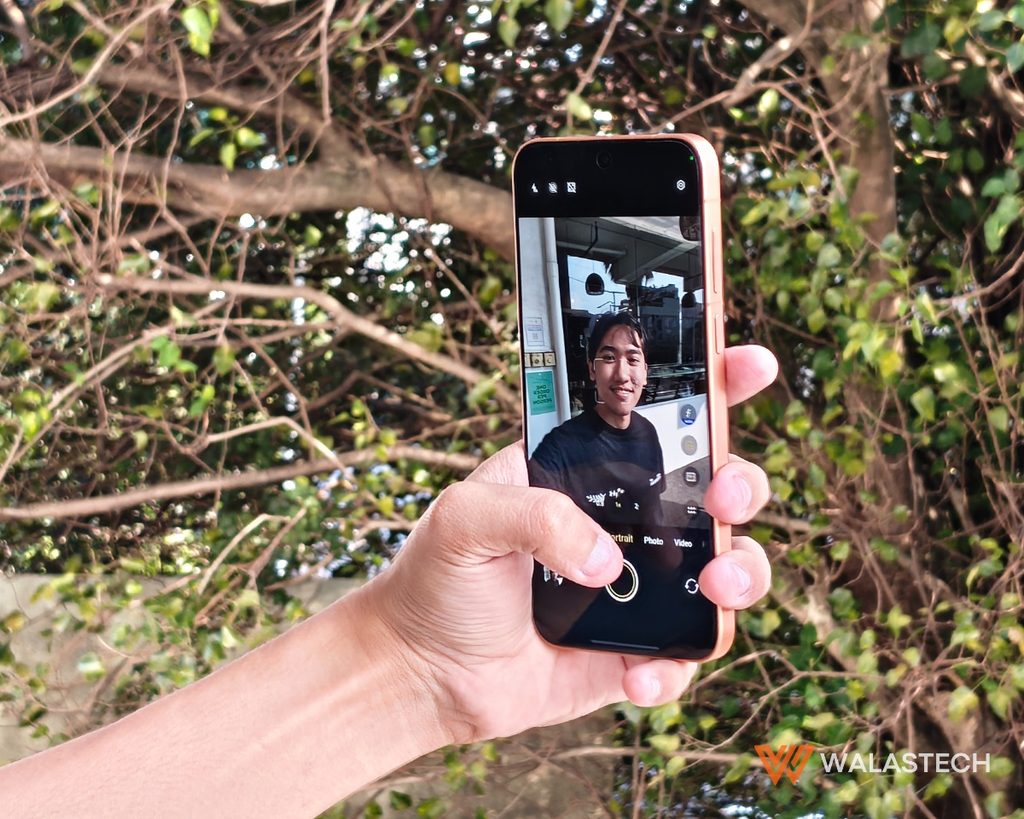
Indoor lighting adds another variable. In one portrait, warm ambient lighting gives the subject’s skin and hair a warmer appearance. In another, coloured lighting creates strong magenta and purple tones. These differences reflect the lighting conditions as well as the camera’s rendering, so they should not be interpreted as a direct comparison of colour accuracy under identical conditions.
The 50MP JN1 front camera has a 20mm equivalent focal length, an f/2.0 aperture, and a 92-degree field of view. The supplied selfies show visible facial details and enough background information to establish the setting without making the subject less prominent.
The wider field of view also helps when taking group selfies. In the supplied two-person photograph, both subjects are clearly visible within the frame. This makes the front camera suitable for casual portraits and documenting events with friends.
Indoor and event photography
The indoor event samples show the camera working under mixed lighting. The photographs include portraits taken in a warm indoor setting, a person under coloured lighting, and a dessert photographed on a table.
The camera preserves useful detail in faces, clothing, and objects, while the dessert photograph retains the textures and colours of the plated dish. These are practical scenarios for a flagship camera because they combine artificial lighting, reflective surfaces, and differences in subject brightness.
Concert and performance photography is a more demanding use case because the camera must deal with bright stage lights, dark backgrounds, and moving subjects. The supplied event images retain visible detail in the performer, clothing, and microphone while preserving the atmosphere created by the lighting.
These results are encouraging for casual event photography. However, additional testing would be needed to assess motion blur, autofocus reliability, low-light noise, and the consistency of results across different zoom levels.
Video recording and creator features
The vivo X500 Pro Max also offers a substantial set of video features. It supports recording up to 4K at 240fps, alongside 17 EV Log recording, cinematic modes, 10-bit 4:2:2 recording, and ACES support.
These capabilities are aimed at users who want more control over their footage during post-production. Log recording can preserve a wider range of tonal information for compatible editing workflows, while 10-bit 4:2:2 recording offers additional colour information compared with more limited recording formats.
The phone also includes features such as X-Track and Anyplace tracking, Auto Framing, Dual View, and Stage Mode 3.0. These tools expand the available shooting options, from keeping a subject in view to recording different perspectives or capturing performance scenes.
For creators, these features could reduce the need to carry a separate camera for certain projects. However, maximum recording specifications do not automatically guarantee better results in every situation. Video quality still depends on lighting, movement, stabilisation, focus, and the recording mode selected.
The vivo X500 Pro Max offers a versatile camera system that works well across the supplied food, architecture, portrait, selfie, and indoor event samples. Its built-in telephoto camera is particularly useful through 10x zoom, while its video options provide additional room for more advanced creative work. The remaining question is how consistently the system performs in difficult low-light conditions and fast-moving scenes, which would require further testing.
Performance
Hardware
The vivo X500 Pro Max is powered by the MediaTek Dimensity 9600 Pro. Its flagship-class platform is designed to handle demanding applications, multitasking, image processing, and gaming.
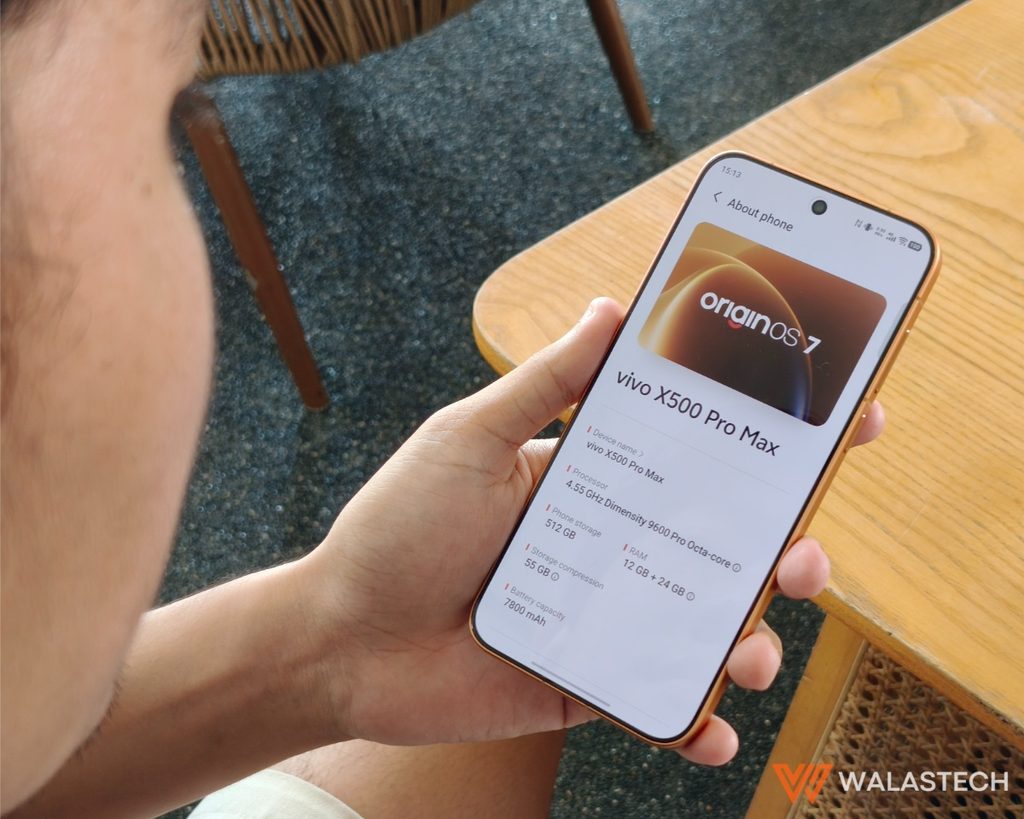
During testing, the phone performed well in Mobile Legends: Bang Bang and Genshin Impact. These games place different demands on a device, with the former generally requiring less intensive graphics processing and the latter placing greater pressure on the processor and graphics hardware.
The phone’s responsive performance also supports its camera-focused features. Processing high-resolution photographs, switching between camera modes, and using demanding applications are all part of the experience expected from a flagship. We did not find any instance where the phone stuttered or lagged during our prolonged use which included a lot of camera photography, online browsing via WiFi or mobile data, and transferring via Quick Share and Easyshare.
Software
The vivo X500 Pro Max runs OriginOS 7. The software experience forms an important part of the device, particularly because its camera system offers multiple modes and creator-oriented features.
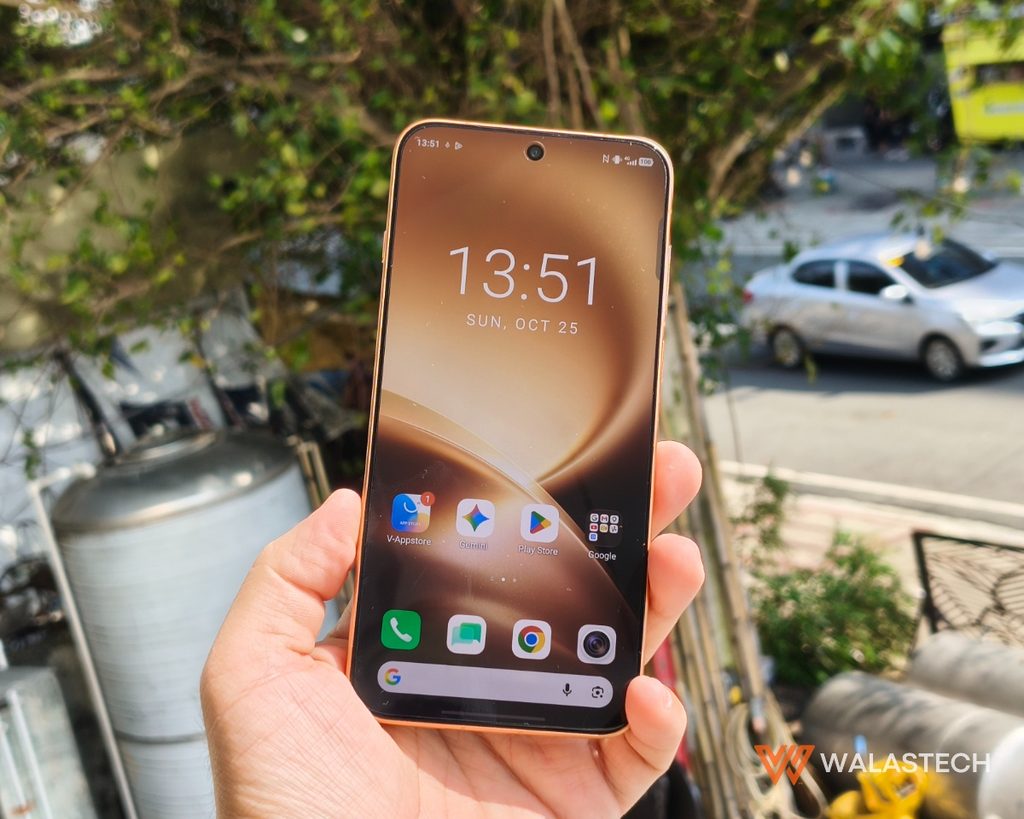
OriginOS 7 provides the interface through which users access the phone’s camera tools, connectivity options, display settings, and other functions. The available imaging and video features give users room to experiment with different shooting approaches without relying entirely on third-party applications.
Connectivity
The vivo X500 Pro Max supports 5G, Wi-Fi across the 2.4GHz, 5GHz, and 6GHz bands, Bluetooth 6.0, NFC, and USB 3.2.
It supports dual nano-SIM and eSIM configurations, providing flexibility for users who maintain separate personal and work numbers or travel frequently.
During use, indoor mobile signal reception was good in the tested environment. Actual reception will still depend on the carrier, network coverage, building materials, and local conditions.
File sharing is another useful feature. Quick Share and EasyShare provide options for transferring files, while Apple-device sharing support can make it easier to move content between compatible devices. Compatibility and transfer speeds depend on the devices and sharing method involved.
For a camera-focused phone, connectivity is especially relevant because photographs and videos can occupy considerable storage space. Faster transfers and convenient sharing options help users move content to other devices for editing, backup, or publication.
Battery
The vivo X500 Pro Max packs a 7,800mAh BlueVolt battery, supported by 90W wired FlashCharge and 40W wireless FlashCharge.
The battery capacity provides a substantial reserve for everyday tasks, photography, video recording, and gaming. Camera use can be particularly demanding because it keeps the display active and may involve continuous image processing, autofocus, and video recording.
During one period of testing, the battery dropped from 98% to 67% after approximately three hours of use, with most of that time spent using the camera. This provides a useful indication of consumption during a camera-heavy session, although it should not be treated as a standardised battery benchmark or a prediction of full-day endurance.
The combination of a large battery and fast charging should be useful for people who regularly use their phones for photography and other demanding tasks. The wireless charging option also provides an alternative for users with compatible charging accessories.
The Rundown
Best for: Users looking for a premium flagship smartphone with a very capable camera system, detailed photography, and the flexibility to capture different subjects and scenes.
Skip if: You primarily need a smartphone for basic everyday tasks and do not expect to use its advanced camera capabilities. Also if you want to have a compact device. Consider its price and overall specifications before deciding if it fits your needs.
WalasTech Worthy Feature: The camera system’s ability to capture detailed images across different lighting conditions, with flexibility for close-up portraits and wider compositions. Its performance in challenging lighting makes it worth examining as part of a broader smartphone camera review.
The vivo X500 Series is now available for preorder in select global markets (More details, including pricing, in our news story) including Europe (Visit here) and Malaysia (Visit here). The flagship phone series is expected to launch in other markets such as the Philippines, as well. We’ll let you know as we get it.
Get the latest from WALASTECH directly on your Google feed.
Add as a preferred source on Google