

vivo is bringing its X500 flagship smartphone series globally, with the vivo X500 Pro and vivo X500 Pro Max launching in Europe. The new smartphones feature ZEISS co-engineered cameras, MediaTek Dimensity chipsets, OriginOS 7, and large batteries, with the Pro Max leading the lineup with a 200MP telephoto camera and a 6.85-inch 2K display.
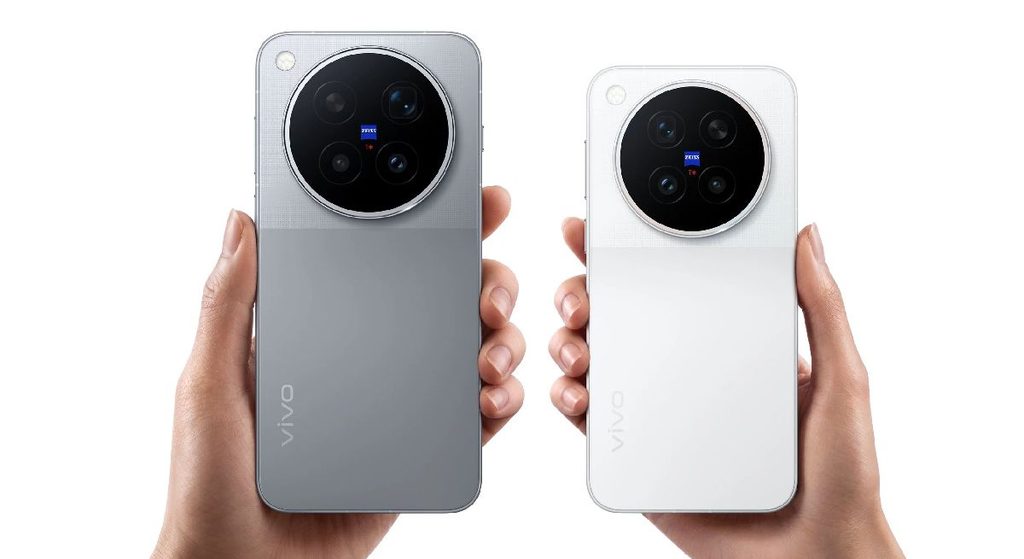
The vivo X500 series consists of three models: the vivo X500, X500 Pro, and X500 Pro Max. Each phone is designed for a different set of users, ranging from those looking for a balanced flagship experience to photography enthusiasts who want more advanced telephoto capabilities.
Why it Matters: The X500 series puts mobile photography and video creation at the center of vivo’s flagship strategy. Its combination of high-resolution cameras, advanced stabilization, cinematic recording options, and large batteries targets users who want more control over their mobile photography without carrying a dedicated camera for every shoot.
The series will also be available in the Philippines, giving local buyers another flagship lineup to consider. Further details about local availability and pricing are expected to follow.
The details: Three models, different priorities
The three smartphones share several features, including ZEISS co-engineered camera systems, OriginOS 7, 90W wired FlashCharge, 40W wireless FlashCharge, 3D ultrasonic fingerprint scanning, and IP68/IP69 dust and water resistance. Their main differences lie in their camera hardware, display sizes, processors, battery capacities, and physical dimensions.
vivo X500 Series specifications
| Specification | vivo X500 | vivo X500 Pro | vivo X500 Pro Max |
|---|---|---|---|
| Operating system | OriginOS 7 | OriginOS 7 | OriginOS 7 |
| Processor | MediaTek Dimensity 9600M | MediaTek Dimensity 9600 Pro | MediaTek Dimensity 9600 Pro |
| RAM and storage | 12GB + 256GB / 512GB | 12GB + 256GB / 512GB | 12GB + 256GB / 512GB / 1TB |
| Main camera | 50MP ZEISS Pro-Level Ultra-Sensing | 50MP ZEISS TrueDynamic | 50MP ZEISS TrueDynamic |
| Telephoto camera | 64MP ZEISS APO | 64MP ZEISS APO | 200MP ZEISS APO |
| Ultra-wide camera | 50MP | 50MP | 50MP |
| Front camera | 50MP ZEISS wide-angle | 50MP ZEISS wide-angle | 50MP ZEISS wide-angle |
| Display | 6.59-inch, 1.5K | 6.36-inch, 1.5K | 6.85-inch, 2K |
| Refresh rate | Up to 144Hz | 1–144Hz | 1–144Hz |
| Battery | 7,500mAh | 6,510mAh | 7,800mAh |
| Wired charging | 90W | 90W | 90W |
| Wireless charging | 40W | 40W | 40W |
| Fingerprint sensor | 3D ultrasonic | 3D ultrasonic | 3D ultrasonic |
| Water and dust resistance | IP68 and IP69 | IP68 and IP69 | IP68 and IP69 |
| Connectivity | Wi-Fi 2.4GHz / 5GHz / 6GHz, Bluetooth 6.0, USB 3.2, NFC | Wi-Fi 2.4GHz / 5GHz / 6GHz, Bluetooth 6.0, USB 3.2, NFC | Wi-Fi 2.4GHz / 5GHz / 6GHz, Bluetooth 6.0, USB 3.2, NFC |
Specifications are based on the supplied product fact sheets. Final configurations may vary by market.
vivo X500 Pro Max: The camera flagship
The vivo X500 Pro Max is the most camera-focused model in the lineup, with a 200MP ZEISS APO telephoto camera designed for detailed long-distance photography.
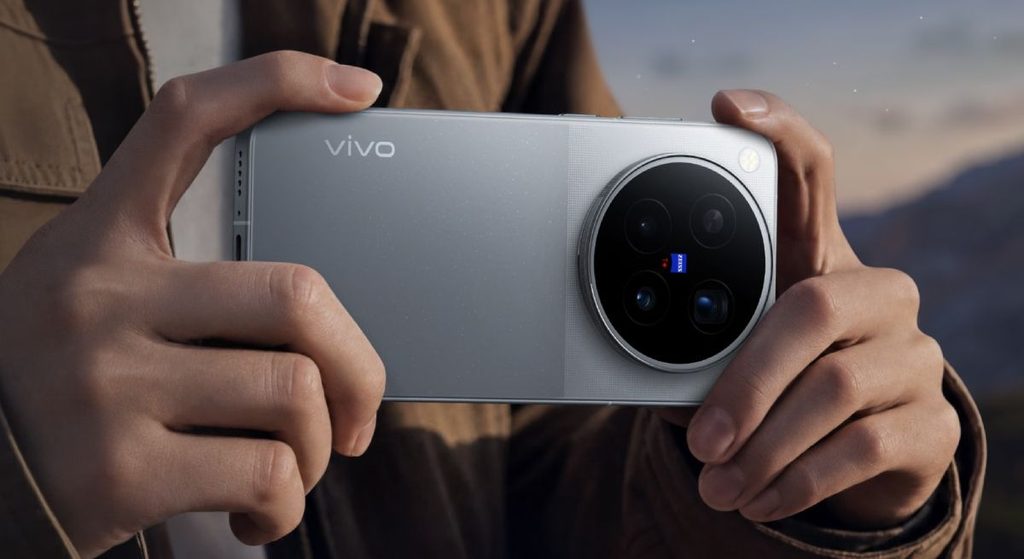
Its rear camera system consists of a 200MP ZEISS APO telephoto camera, a 50MP ZEISS TrueDynamic main camera, and a 50MP ZEISS ultra-wide-angle camera. A 50MP ZEISS wide-angle front camera handles selfies and video calls.
The main camera uses a Sony LYTIA L910 sensor, with a stated dynamic range of up to 17 EV. The telephoto camera is also designed to support the vivo ZEISS Telephoto Extender Gen 2 Ultra, which offers a 400mm-equivalent focal length.
The Pro Max features a 6.85-inch display with a resolution of 1440 × 3168 pixels, a 1Hz to 144Hz adaptive refresh rate, and a stated peak brightness of 4,400 nits at 20% APL. It also supports Dolby Vision and Ultra HDR.
Its 7,800mAh BlueVolt battery is the largest among the three models, supported by 90W wired FlashCharge and 40W wireless FlashCharge.
For video creators, the phone supports 17 EV TrueDynamic Log Video, 4K Cinematic Portrait Video, 4K Cinematic Color Video, and high-frame-rate video recording at up to 240fps. These features give users more options for capturing motion, creating slow-motion clips, and adjusting footage during editing.
vivo X500 Pro: A compact flagship
The vivo X500 Pro retains the Dimensity 9600 Pro chipset and a triple-camera setup but uses a smaller body and display than the Pro Max.
Its rear cameras include a 64MP ZEISS APO telephoto camera, a 50MP ZEISS TrueDynamic main camera, and a 50MP ZEISS ultra-wide-angle camera. A 50MP ZEISS wide-angle front camera is provided for selfies and video calls.
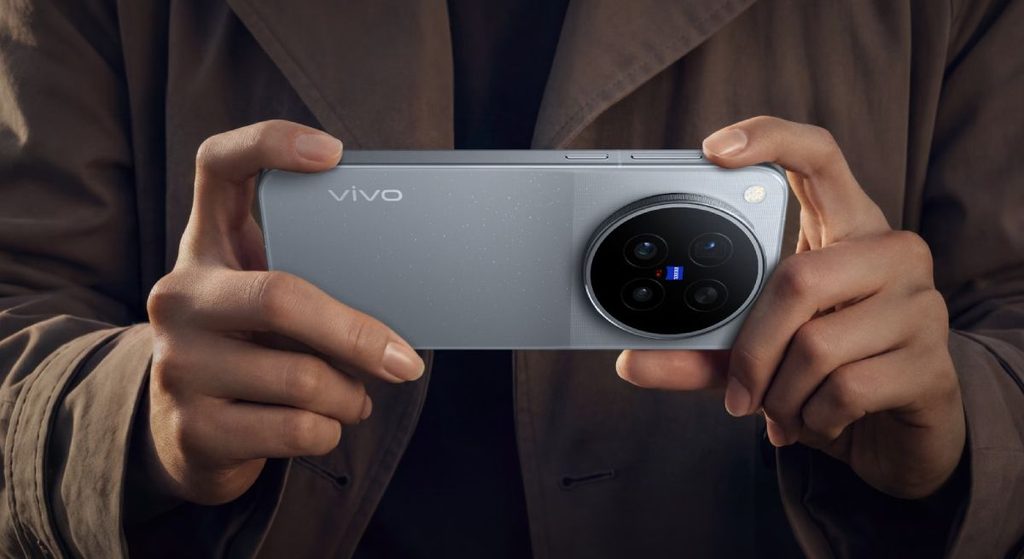
The 6.36-inch display has a resolution of 1216 × 2660 pixels, a refresh rate of up to 144Hz, and a stated peak brightness of 4,500 nits at 20% APL.
The phone has a 6,510mAh battery with 90W wired and 40W wireless charging. Other features include IP68/IP69 protection, a 3D ultrasonic fingerprint scanner, USB 3.2, Bluetooth 6.0, and NFC.
The listed dimensions are 151.78 × 71.92 × 8.12mm for the gray, white, and orange finishes, while the black variant measures 151.78 × 71.92 × 7.95mm. Its listed weight ranges from 192g to 197g, depending on the finish.
With its smaller display and lighter body, the X500 Pro is positioned for users who want flagship camera hardware in a more compact smartphone.
vivo X500: A balanced flagship
The standard vivo X500 uses the MediaTek Dimensity 9600M and features a 6.59-inch ZEISS Master Color Display with a resolution of 1260 × 2750 pixels. Its refresh rate supports 60Hz, 90Hz, 120Hz, and 144Hz settings.
Its rear camera system consists of a 64MP ZEISS APO telephoto camera, a 50MP ZEISS Pro-Level Ultra-Sensing main camera, and a 50MP ZEISS ultra-wide-angle camera.
The main camera uses a Sony LYTIA 828 sensor, while the telephoto camera uses a Sony LYTIA 610 sensor. The phone also has a 50MP ZEISS wide-angle front camera.
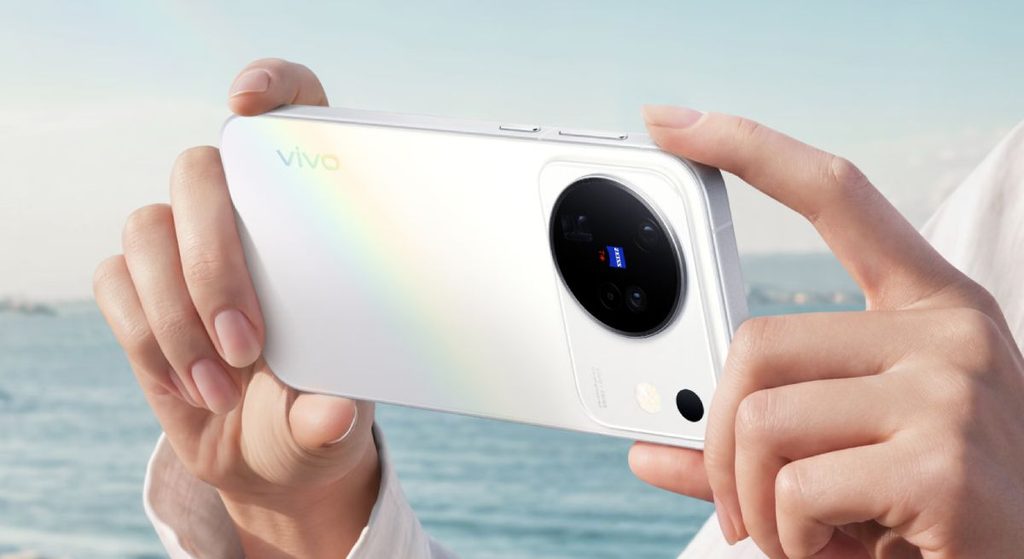
The standard model packs a 7,500mAh battery, placing it between the Pro and Pro Max in capacity. It supports the same 90W wired and 40W wireless charging standards.
Other specifications include a triple-microphone system, symmetrical dual stereo speakers, a 3D ultrasonic fingerprint sensor, USB 3.2, Bluetooth 6.0, NFC, and IP68/IP69 dust and water resistance.
The supplied fact sheet lists dimensions of 157.01 × 74.49 × 8.15mm. The gray and white finishes weigh 211g, while the black version weighs 213g.
The bigger picture: The X500 series emphasizes high dynamic range, color reproduction, stabilization, and consistency across different shooting conditions. vivo is also expanding its video features, giving users more recording options beyond standard clips.
Additional imaging features include:
- Stage Mode 3.0 for photographing live performances and distant subjects.
- 17 EV TrueDynamic Log Video on the Pro and Pro Max.
- 4K Cinematic Portrait Video and 4K Cinematic Color Video.
- 4K Dual-View Video for capturing different perspectives.
- Auto Framing Video to help keep subjects in the frame.
- Long-range motion snapshots and autofocus tracking at up to 60fps on supported cameras.
- AI Creative Camera features for assisted image creation and processing.
The Pro and Pro Max also support 10-bit 4:2:2 video encoding and ACES support, giving users more flexibility when editing footage in post-production. The Pro Max adds 4K video recording at up to 240fps for slow-motion footage.
Between the lines: All three smartphones run OriginOS 7, vivo’s software platform for the X500 lineup. Beyond interface changes, the operating system includes tools designed to help users manage tasks, transfer files, and work across connected devices.
Origin Workbench supports floating windows, task switching, and drag-and-drop file transfers between applications. Snap & Go can recognize information in screenshots, while AI Recorder can transcribe conversations, distinguish speakers, and generate summaries.
Quick Share and other cross-device tools are intended to make file transfers and device migration easier. vivo also highlights interoperability with selected Apple devices, including AirPods and Apple Watch, alongside iCloud integration. Actual functionality depends on the device, application, region, and software version.
The series also features 3D ultrasonic fingerprint scanning, an infrared blaster for controlling compatible household appliances, and IP68/IP69 protection against dust and water.
Pricing and availability: The vivo X500 Pro and X500 Pro Max are launching in Europe on October 27, with pre-orders opening alongside the announcement.
- vivo X500 Pro Max (12GB/512GB): EUR 1799 (~PHP 129,000)
- vivo X500 Pro (12GB/256GB): EUR 1399 (~PHP 99,900)
Likewise, the series also launched hours ago in Malaysia with these prices in tow:
- vivo X500 Pro Max: MYR 6,999 (~PHP 110,000, 12GB/512GB): MYR 6,399 (~PHP 100,200, 12GB/256GB)
- vivo X500 Pro: MYR 5,999 (~PHP 94,000)
- vivo X500: MYR 5,299 (~PHP 83,000, 12GB/512GB), MYR 4,699 (~PHP 73,400, 12GB/256GB)
For Filipinos: Local pricing, the official Philippine launch date, storage configurations, and pre-order promotions for the vivo X500 series will be announced separately. Stay tuned as we’ll publish as we get it.
What’s next? General sales for the new vivo Flagship series in Europe is scheduled to start on November 5. The launch will introduce the X500 Pro and X500 Pro Max to European buyers, while the broader three-model lineup expands vivo’s flagship smartphone offering.
In the Philippines, prospective buyers can look forward to further announcements about local availability, pricing, and promotional offers.
The Bottom Line: The vivo X500 series combines ZEISS-branded imaging hardware, large batteries, fast charging, and OriginOS 7 across three flagship models. The X500 Pro Max leads with its 200MP telephoto camera and 7,800mAh battery, the X500 Pro offers a smaller flagship design, and the standard X500 balances camera capabilities with a 7,500mAh battery.
With its European rollout beginning October 27, 2026, and Philippine availability yet to be announced, the X500 series is set to give consumers more options for mobile photography, video creation, and everyday flagship use.
Get the latest from WALASTECH directly on your Google feed.
Add as a preferred source on Google