

Artificial intelligence continues to reshape how organizations operate, but the conversation is no longer centered on whether AI will replace jobs. Instead, businesses are increasingly focused on how AI can improve productivity, reduce repetitive work, and create better experiences for employees.
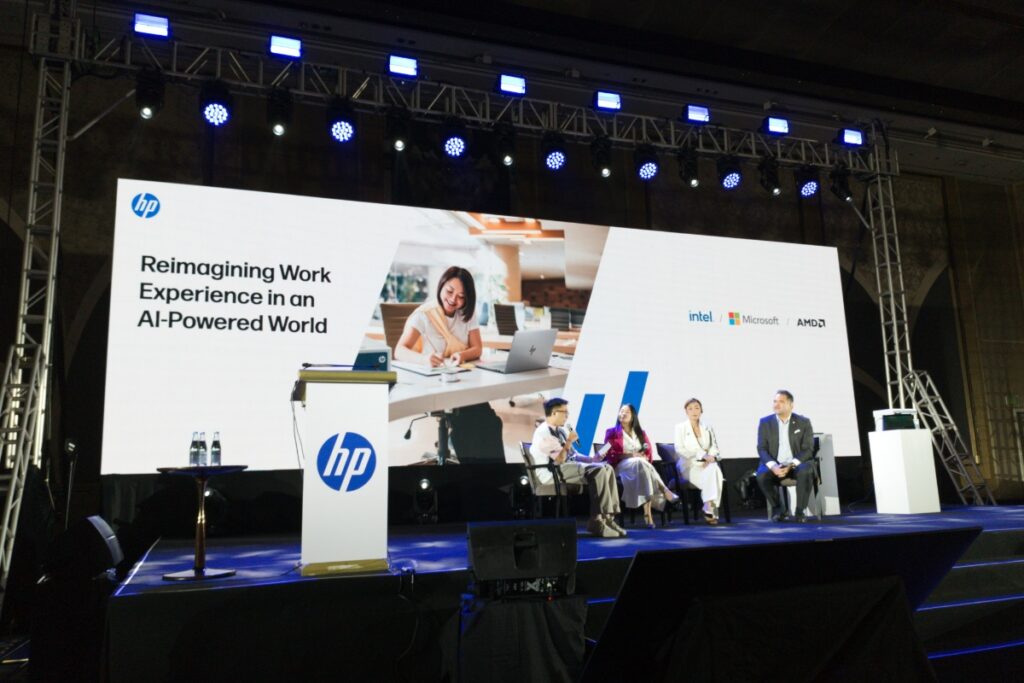
At this year’s HP Elevate, industry leaders gathered for a fireside chat titled “Reimagining Work Experience in an AI-enabled World,” where they discussed how organizations across Southeast Asia are adapting to AI-driven workplaces and what it takes to make the transition successful.
Why it Matters: As AI tools become more accessible, companies are facing a new challenge: ensuring that technology improves work without creating additional complexity. The discussion highlighted how organizations are shifting their focus from measuring attendance and technology deployment to evaluating productivity, collaboration, and business outcomes.
According to the panelists, AI is proving most valuable when applied to highly repetitive and administrative tasks. Rather than replacing employees, AI is helping workers spend more time on activities that require human judgment, creativity, and relationship-building.
One example shared during the discussion involved recruitment teams. Instead of spending hours managing administrative workflows, recruiters can use AI-powered tools to automate repetitive tasks and focus on meaningful conversations with job candidates. Similarly, sales teams can use AI to quickly transform existing data into presentations, reducing the time spent on manual preparation.
The panel noted that AI’s impact extends beyond simple automation. Organizations are now seeing improvements in productivity, confidence, and overall work quality.
HP representatives explained that business leaders are becoming more interested in understanding the value generated by work rather than simply monitoring employee attendance or device deployment. Questions around workforce security, collaboration, and productivity have become key performance indicators in AI adoption.
One example highlighted how an employee who previously spent 2 hours on administrative tasks was able to complete the same work in approximately 7 minutes using AI-powered automation.
However, the panel emphasized that successful AI implementation is not solely about software. Companies must also address governance, security, and employee confidence when introducing AI into workflows.
The discussion also explored how AI is changing the way organizations create and collaborate.
Representatives from the marketing and communications industry shared that AI has helped teams work faster while maintaining quality. Media agencies, advertising firms, and e-commerce companies are increasingly using AI to analyze large datasets and generate insights more efficiently.
Interestingly, the rise of AI is also changing workplace behavior. Younger professionals are learning to ask better questions of AI systems, while managers are challenging teams with deeper, more strategic questions informed by AI-generated insights.
The panel observed that organizations have moved beyond the experimentation phase. While many businesses were still exploring AI’s potential two years ago, many are now integrating AI into their daily operations and treating it as a key driver of innovation.
Data was another major topic during the session.
Panelists noted that many organizations already possess valuable data but often struggle to identify and maximize its value. Businesses are being encouraged to first understand what information they already have before seeking additional technology investments.
The discussion highlighted how historical data, customer interactions, and business records can provide actionable insights when properly analyzed and integrated into secure environments.
When asked about concerns regarding job displacement, the panel took a more nuanced view.
While AI will continue to automate certain tasks, the skills most valued by employers are shifting toward curiosity, adaptability, and continuous learning. Panelists noted that younger generations tend to adapt more quickly to AI tools because they have grown up with digital technology.
For employees across all age groups, the ability to learn and evolve alongside technology is becoming increasingly important. The panel stressed that AI tools are changing rapidly, making learning agility more valuable than mastery of any single platform.
HP also shared its perspective on helping organizations adopt AI successfully.
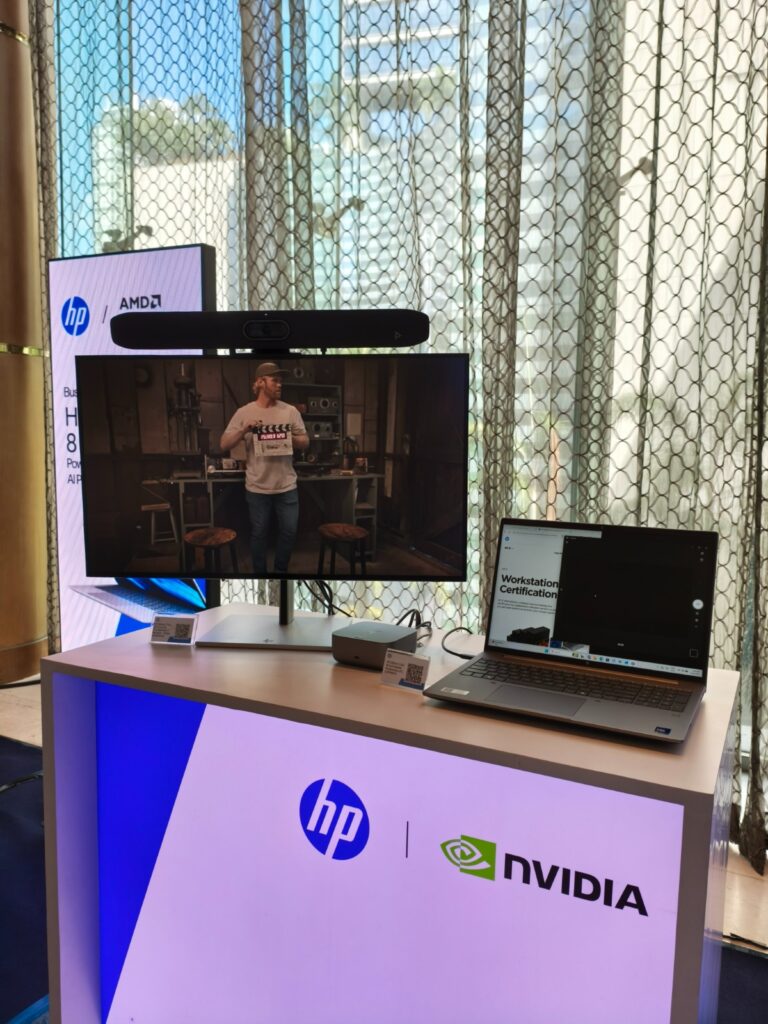
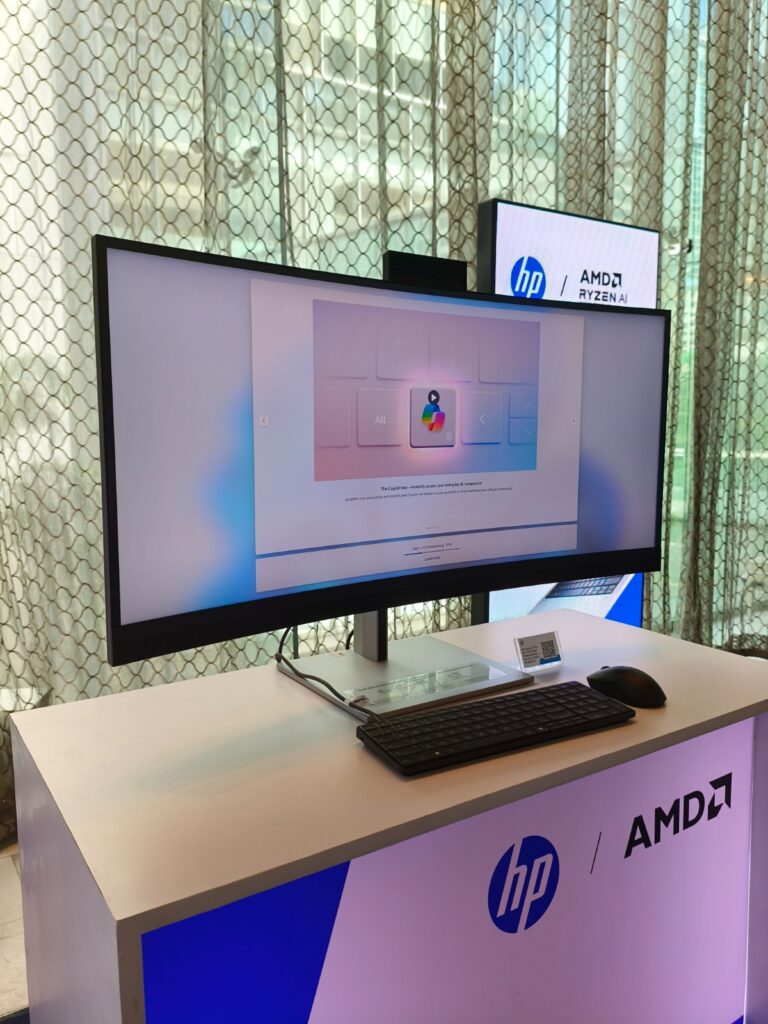
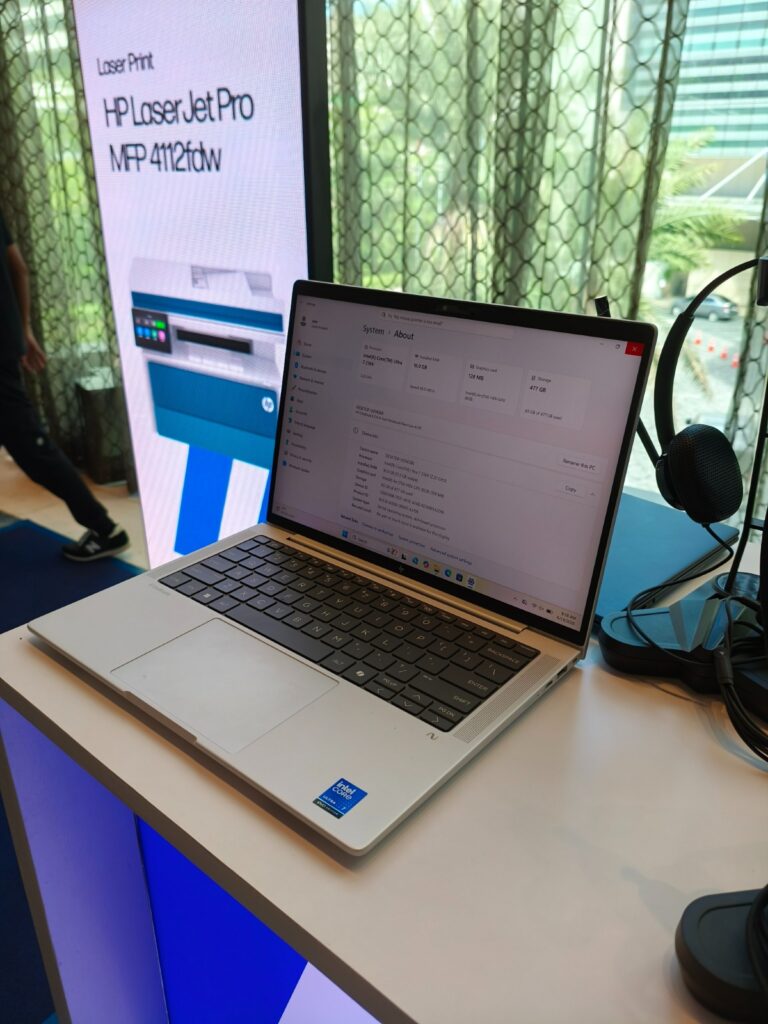
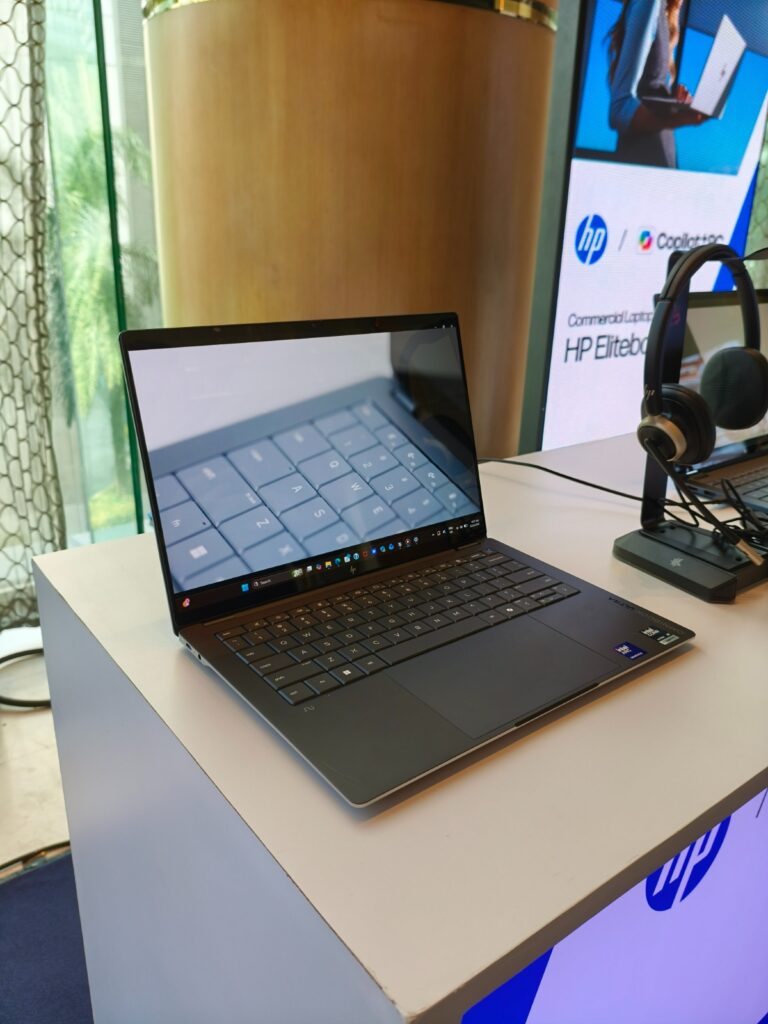
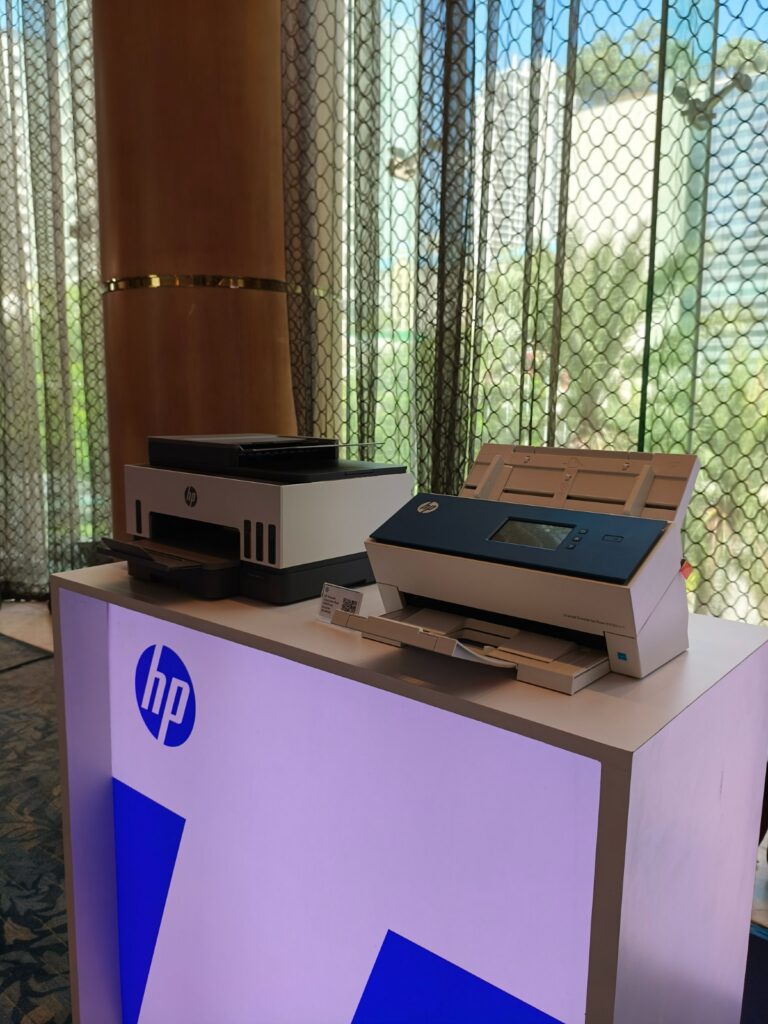
According to the company, businesses should approach AI as a business transformation initiative rather than a technology project. Organizations must first identify the problems they want to solve, whether improving customer response times, reducing operational complexity, or enhancing collaboration.
HP believes technology should fit naturally into existing workflows instead of adding another layer of complexity. This approach includes combining devices, collaboration tools, security solutions, and partner ecosystems to support employee productivity.
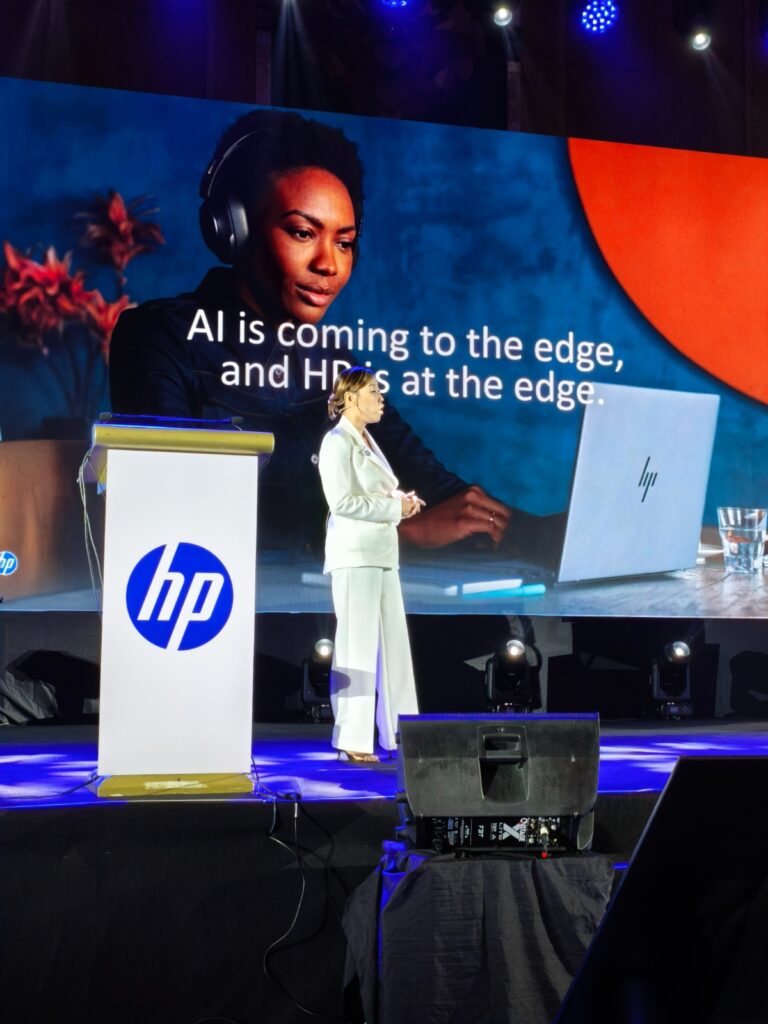
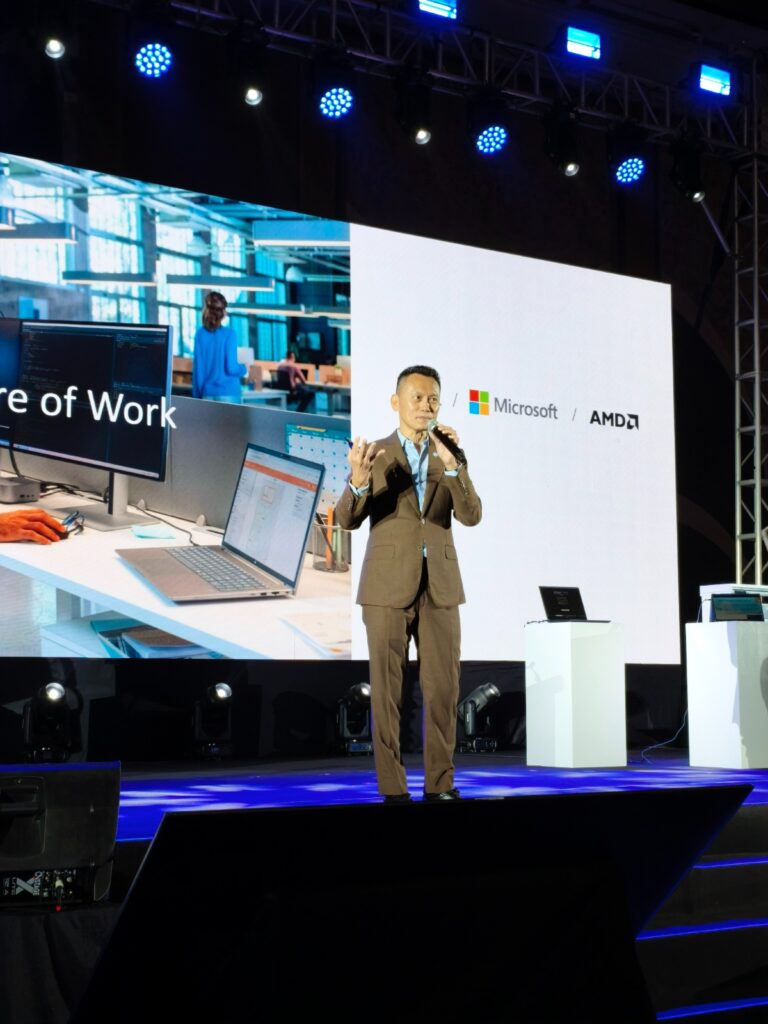
The conversation also touched on the opportunities AI presents for micro, small, and medium enterprises (MSMEs).
Industry representatives shared examples of small businesses already using AI-generated content for marketing materials, social media campaigns, and promotional assets. Freelancers are also leveraging AI to expand their capabilities and support international clients more efficiently.
By making AI tools more accessible and affordable, the panel believes MSMEs can benefit from productivity gains that were previously available only to larger organizations.
As the fireside chat concluded, speakers emphasized that the future of work is not defined by automation alone. Instead, organizations must focus on how AI can help people spend less time on repetitive tasks and more time creating value.
The discussion reinforced a key message throughout HP Elevate: AI adoption is most successful when it is practical, secure, human-centered, and aligned with real business needs. As organizations continue to explore AI-enabled work environments, the focus will increasingly shift from the technology itself to the experiences and outcomes it enables.
Get the latest from WALASTECH directly on your Google feed.
Add as a preferred source on Google