

Lenovo has expanded its Yoga portfolio with two laptops powered by NVIDIA RTX Spark, two new Yoga tablets, and software experiences designed to help creators and developers work across devices. The lineup includes the Lenovo Yoga Pro 9n, Yoga 9n 2-in-1, Yoga Tab Plus Gen 2, Yoga Tab Gen 2, and Lenovo Smart Canvas Concept, alongside new features for Lenovo Qira.
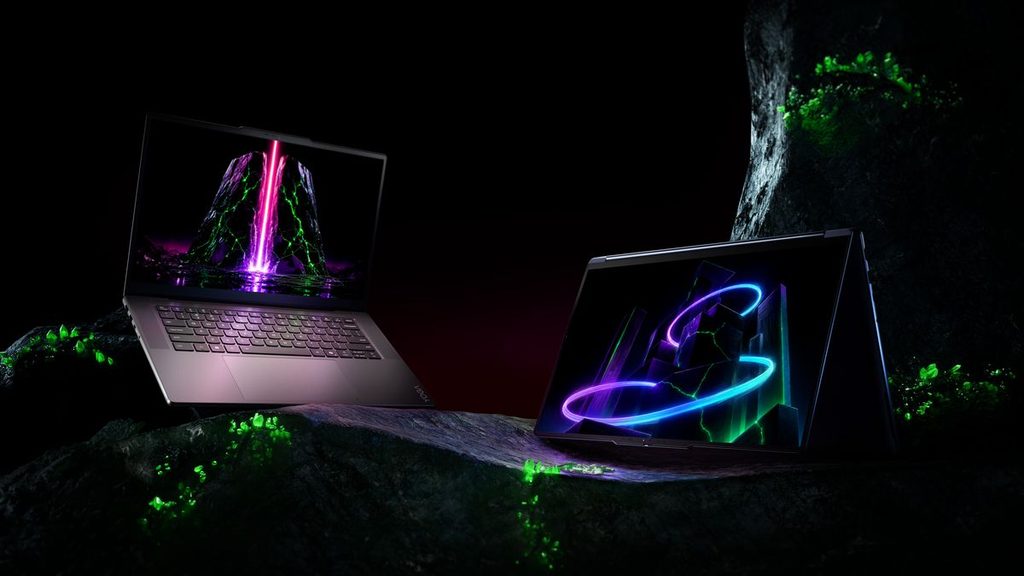
The new products focus on three areas: running demanding creative and AI workloads locally, offering more flexible ways to write and draw, and making it easier to continue projects across compatible devices.
Why it matters: Creative work increasingly involves several applications and devices, from sketching and note-taking to video editing, software development, and AI-assisted production. Lenovo’s latest Yoga devices aim to support these tasks through more powerful hardware, pen-focused input, and connected software features. However, their practical value will depend on pricing, availability, and how well the features work in everyday use.
The details: The Lenovo Yoga Pro 9n (15-inch, 11th generation) is the performance-focused option in the lineup. Powered by NVIDIA RTX Spark, it supports up to 128GB of 9400 MT/s unified memory for local AI development, software development, content creation, and 3D rendering. The platform combines NVIDIA AI and RTX technologies with the CUDA software stack, allowing AI models to run locally and supporting workflows involving multiple AI agents.
The laptop also supports RTX gaming, giving creators and developers a system for both professional workloads and entertainment. Its other features include a 15.3-inch 2.5K PureSight Pro OLED display, Lenovo X Power thermal technology, a 9.2MP infrared camera, and a haptic Force Pad with pen support. It runs Windows 11 and has a 92.5Wh battery.
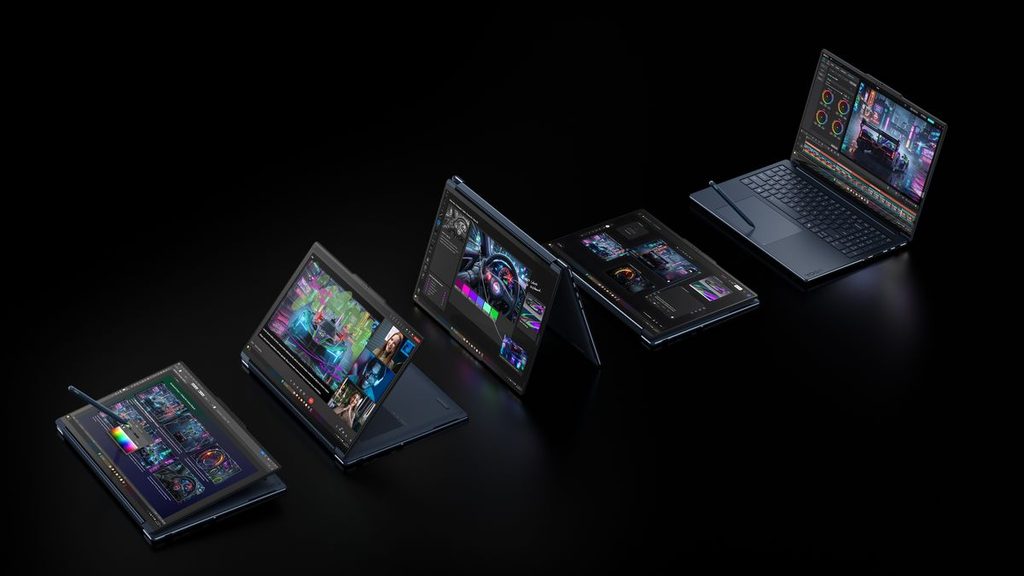
For users who need a convertible design, the Lenovo Yoga 9n 2-in-1 (16-inch, 11th generation) combines NVIDIA RTX Spark with up to 64GB of unified memory. Its 360-degree hinge allows it to switch between laptop, tablet, tent, stand, and canvas modes.
One of its main features is dual-surface pen input. Users can write or draw on either the 16-inch PureSight Pro OLED display or the haptic Force Pad. The included Yoga Pen Gen 2 supports low-latency input, tilt sensitivity, palm rejection, and customizable controls. These features are intended for tasks such as illustration, annotation, timeline navigation, and detailed editing.
The Yoga 9n 2-in-1 also has a 2.8K OLED display with a variable refresh rate of up to 120Hz, a six-speaker Dolby Atmos audio system, and a 99.9Wh battery. Lenovo says its hardware can accelerate creative applications such as Adobe Premiere Pro and ComfyUI, as well as local AI models including FLUX and LTX.
Lenovo is also introducing two tablets designed around pen, voice, vision, and touch input. Both include Lenovo’s native AI experiences, including Lenovo AI Vision, Lenovo Qira, Smart AI Input, AI Creation Tools, AI Note, and Live Transcript. Their stylus features include 8,192 levels of pressure sensitivity, tilt detection, and palm rejection, alongside gestures such as Click to Draw, Squeeze to Select, and Flip to Erase.
The Lenovo Yoga Tab Plus Gen 2 is the larger model, featuring a 13-inch 4K PureSight Pro display and the Snapdragon 8 Elite Mobile Platform with Qualcomm Oryon CPU. It weighs approximately 605 grams and supports configurations with up to 16GB of RAM and 512GB of storage. A microSD card slot supports expansion up to 2TB, while a 12,700mAh battery supports 68W charging. The tablet also has six Harman Kardon speakers and an optional magnetic clamshell keyboard.
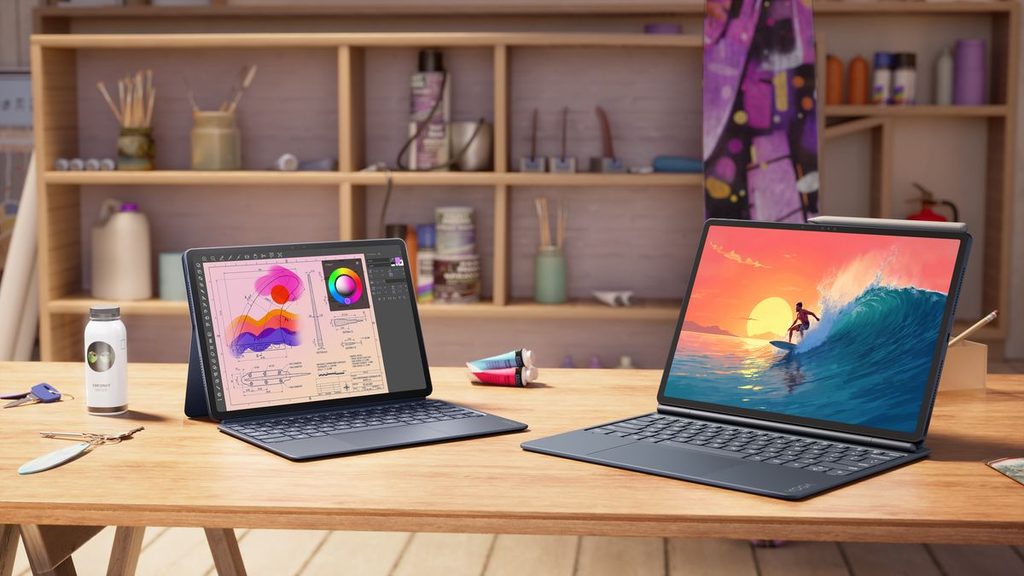
The Lenovo Yoga Tab Gen 2 takes a more compact approach. It has an 11.1-inch display, a MediaTek Dimensity 9500s processor, and a starting weight of approximately 480 grams. Memory configurations go up to 12GB of RAM, with storage options of up to 256GB. It also supports microSD expansion up to 2TB, has an 11,000mAh battery with 68W charging support, and offers a detachable keyboard pack.
Both tablets launch with Android 17, with Lenovo stating that they will receive seven operating system upgrades through Android 24 and up to seven years of security updates through 2033. They also support the Tab Pen Pro 2 and Lenovo Qira.
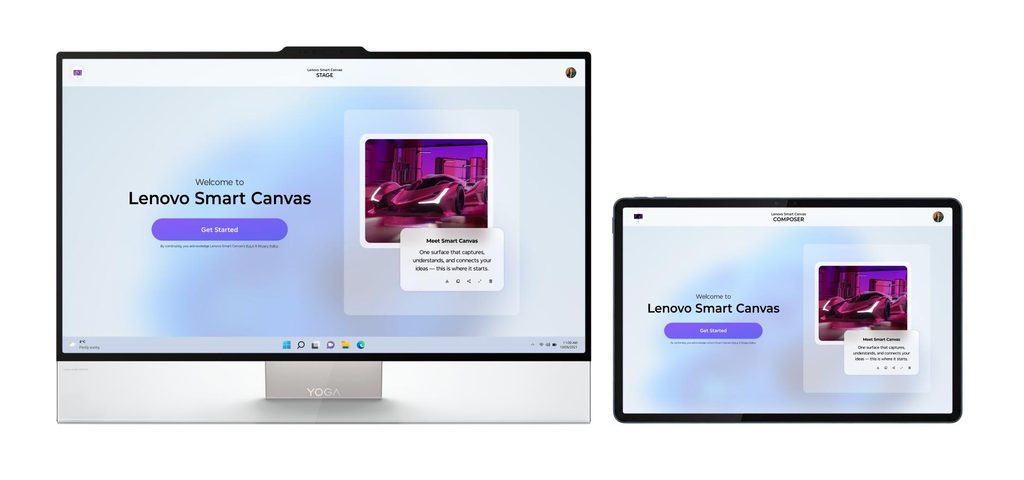
Beyond the hardware, Lenovo introduced Smart Canvas Concept, a cross-device experience designed to let users capture ideas through voice, pen, camera, and touch, then continue working on compatible devices. At Lenovo Innovation World, the company demonstrated the concept using the Yoga AIO i Aura Edition and Yoga Tab Gen 2.
Lenovo Qira is also part of the expanded portfolio. The company’s built-in personal ambient intelligence is designed to provide a context-aware AI experience across supported Yoga PCs and tablets, helping users retain relevant context and resume work as projects move between devices.
The bigger picture: Lenovo is building a broader creative ecosystem rather than treating each laptop or tablet as a standalone product. The two RTX Spark laptops target users who need local computing power, while the tablets offer more portable ways to capture and develop ideas. Smart Canvas Concept and Lenovo Qira are intended to connect these different stages of work.
The focus on local AI processing is also notable. Running AI models directly on a device can give users more control over their workflows and reduce dependence on remote processing, although actual performance will vary by model, application, and workload.
Between the lines: The Yoga Pro 9n and Yoga 9n 2-in-1 serve different priorities. The former emphasizes memory capacity and performance for demanding workloads, while the latter adds a convertible design and more flexible pen input. The tablets offer another choice for people who prefer to work with a stylus and touchscreen rather than a conventional laptop.
Smart Canvas Concept remains a concept rather than a confirmed commercial product, so its final capabilities and availability have yet to be established in the supplied announcement. Lenovo Qira’s functionality will also depend on supported devices and features.
For Filipinos: The new Yoga products could appeal to creative professionals, developers, designers, and students who need tools for editing, illustration, coding, and AI-assisted work. The tablets may also suit users who want a lighter device for note-taking and everyday productivity.
Lenovo has not provided Philippine pricing or local availability details in the supplied announcement. These will be important considerations, particularly for devices designed around high-performance local computing and premium displays.
What’s next: Lenovo’s expanded Yoga portfolio introduces new hardware and connected experiences, but pricing, regional availability, and real-world performance will help determine how accessible and useful the products are for consumers. More details will be needed to assess the full capabilities of Smart Canvas Concept and the availability of Lenovo Qira features across supported devices.
The Bottom Line: Lenovo’s latest Yoga lineup combines high-performance laptops, pen-focused tablets, and cross-device AI experiences for different stages of creative work. The Yoga Pro 9n targets demanding local workloads, the Yoga 9n 2-in-1 adds convertible flexibility, and the two tablets focus on portable creation and productivity. Their appeal will ultimately depend on pricing, availability, and how effectively the connected features work beyond the initial demonstrations.
Get the latest from WALASTECH directly on your Google feed.
Add as a preferred source on Google