

The growing demand for artificial intelligence (AI), high-performance computing, and electric vehicles could create new opportunities for the Philippine semiconductor industry as global companies diversify their supply chains across Asia Pacific, according to a new report commissioned by FedEx and developed with Frost & Sullivan.
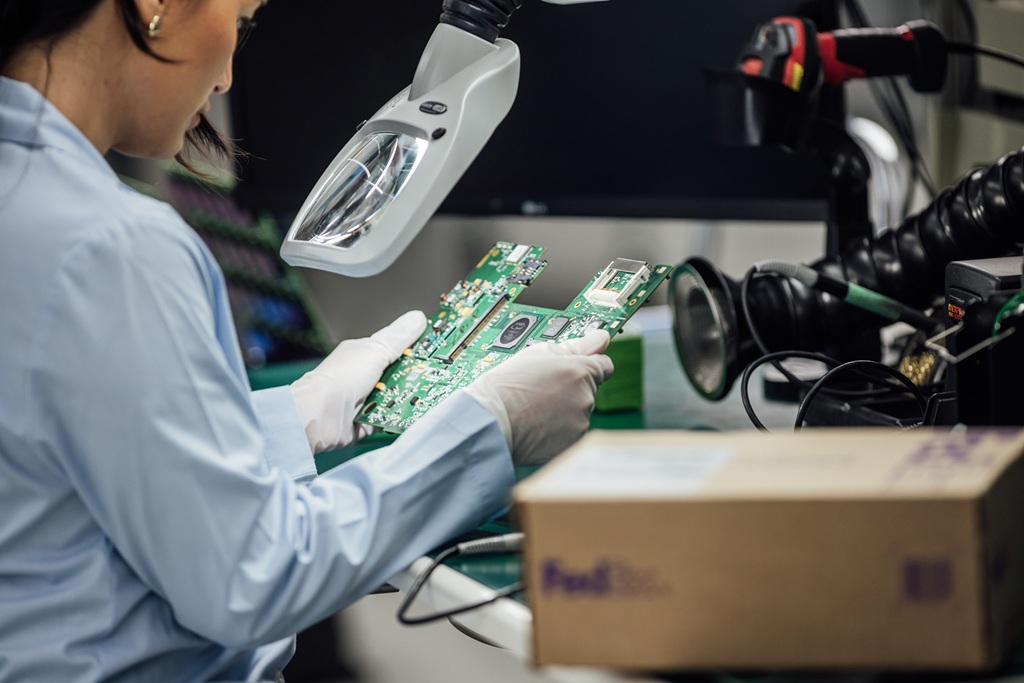
The report, From AI to EVs: How APAC Semiconductors Drive the Global Innovation Map, highlights the Philippines’ established semiconductor manufacturing base, skilled workforce, and existing network of global manufacturers as advantages that could help the country attract new investments.
Why it matters: The Philippines already plays a role in semiconductor assembly, packaging, and testing. As AI infrastructure drives demand for more chips and related equipment, the country has an opportunity to expand its role in the global supply chain and move toward higher-value activities, including engineering, research, design, and advanced manufacturing.
The details: The report identifies AI and high-performance computing as the fastest-growing drivers of semiconductor demand. More than 2,000 new data centers are expected to be built globally between 2026 and 2035, increasing demand not only for chips but also for servers, networking equipment, cooling systems, and power solutions.
Electric vehicles, 5G, the Internet of Things, consumer electronics, medical devices, and industrial automation are also contributing to the industry’s growing demand for semiconductors.
According to the report, Asia Pacific accounts for approximately 58% of global semiconductor industry revenue, with different markets specializing in particular parts of the supply chain. Taiwan leads advanced semiconductor manufacturing, South Korea is a major producer of memory chips, Japan supplies critical equipment and materials, and China serves as a major materials supplier, consumer market, and growing fabrication hub.
Southeast Asia, including the Philippines, has developed into an important center for semiconductor assembly, packaging, and testing. The report says this established industrial base could help the country attract investments as manufacturers expand or diversify their production and sourcing operations across the region.
The bigger picture: A survey commissioned by FedEx and conducted during SEMICON Taiwan 2026 found that nearly four in five respondents expect Taiwan, Southeast Asia, Greater China, and Japan to experience the greatest increases in semiconductor demand over the next three years.
The survey also found that 35% of respondents expect their companies to expand manufacturing into additional Asia Pacific markets during the same period. Another 25% plan to increase or diversify sourcing within the region or globally.
For the Philippines, these plans could create opportunities to attract manufacturing projects and strengthen its position within regional supply chains. However, capturing more investment will require the country to build on its existing manufacturing capabilities and develop expertise in higher-value segments of the industry.
Between the lines: Supply chain resilience is becoming a greater concern for semiconductor companies amid geopolitical uncertainty, regulatory complexity, and rising operating costs.
In the FedEx survey, 30% of respondents identified geopolitical disruption as the most significant challenge to future growth, ahead of concerns about operating costs and cross-border trade and customs complexity.
Companies are increasingly supplementing just-in-time operations with strategies such as geographic diversification and additional inventory buffers. These changes could benefit countries that can offer dependable manufacturing operations and efficient connections to suppliers and customers in other markets.
The shift also places greater importance on logistics. Forty-four percent of survey respondents identified faster international shipping as the most important capability when selecting logistics and supply chain partners over the next three years.
For Filipinos: The semiconductor industry presents opportunities for the Philippines to attract investments, strengthen its manufacturing sector, and develop a workforce with skills in engineering, design, and advanced production.
The country already hosts manufacturing operations for major global semiconductor companies. Its economic zones also continue to attract electronics and advanced manufacturing projects, while government efforts aim to encourage investment in higher-value activities.
FedEx Philippines managing director Garrick Thompson said the country could build on its decades of semiconductor manufacturing experience and talent base as the industry evolves. He also highlighted the importance of reliable connections to suppliers and customers across regional and global markets.
The report identifies logistics as one factor that could help translate the Philippines’ existing industrial capabilities into a stronger competitive advantage.
What’s next: The Philippines will need to build on its current semiconductor operations while strengthening its capacity to support more advanced manufacturing and related activities. Continued investment in workforce skills, industrial capabilities, and supply chain connectivity could help the country compete for new projects as companies diversify their operations.
The report is based partly on a survey conducted at SEMICON Taiwan in Taipei from September 2 to 4, 2026. It gathered responses from 478 semiconductor industry participants representing corporations, industry associations, and research institutes across Asia Pacific, Europe, and North America.
The Bottom Line: AI, electric vehicles, and other technologies are increasing global demand for semiconductors and the infrastructure that supports them. The Philippines’ established assembly, packaging, and testing sector gives it a foundation to benefit from this growth, but attracting more investment will depend on its ability to develop higher-value capabilities and maintain reliable connections to global supply chains.
Get the latest from WALASTECH directly on your Google feed.
Add as a preferred source on Google