

Most people arrive in Canada with a picture in their head. They imagine Niagara Falls, maple leaves, mountains, maybe a bear somewhere. They think about Niagara Falls, the maple leaf, mountains, and perhaps even a bear somewhere. The image is not inaccurate, but it is incomplete. Canada is a large country, and every region of it seems to be a unique world. Planning the trip without knowledge of the specifics results in quick decisions on the go.
There is one more important thing you need to think about – your phone. Roaming there is expensive, and buying a local SIM at the airport means standing in line, paying twice the normal price, and losing the first hour of your trip to a phone store. The eSIM Plus Canada virtual phone number solution works through an app. You set it up at home, activate it before landing, and everything is done. It is especially useful if you’re moving between provinces for a few weeks.
Where to Go
British Columbia is situated on the western coastline of Canada. Vancouver might be the easiest place to enter Canada. Vancouver is a small city and very easy to navigate through, and everything in the city is readily available. One can get a view of the ocean as well as the mountains from the streets of Vancouver simultaneously, which sounds like a cliché but that’s how the city looks. Big ski resort in winter, hiking in summer. Worth going either way.
The national parks are found in Alberta, and quite frankly, this is what most people remember about Canada for years to come. The Banff and Jasper Parks are linked together by the Icefields Parkway – 230 kilometres of scenic mountain drive that seems almost unreal in its beauty. Lake Louise is the blue one. The colour is real. The downside is that everyone knows about it, so in July, there is crowding, and parking fills up early. September is the same scenery with a lot fewer people.
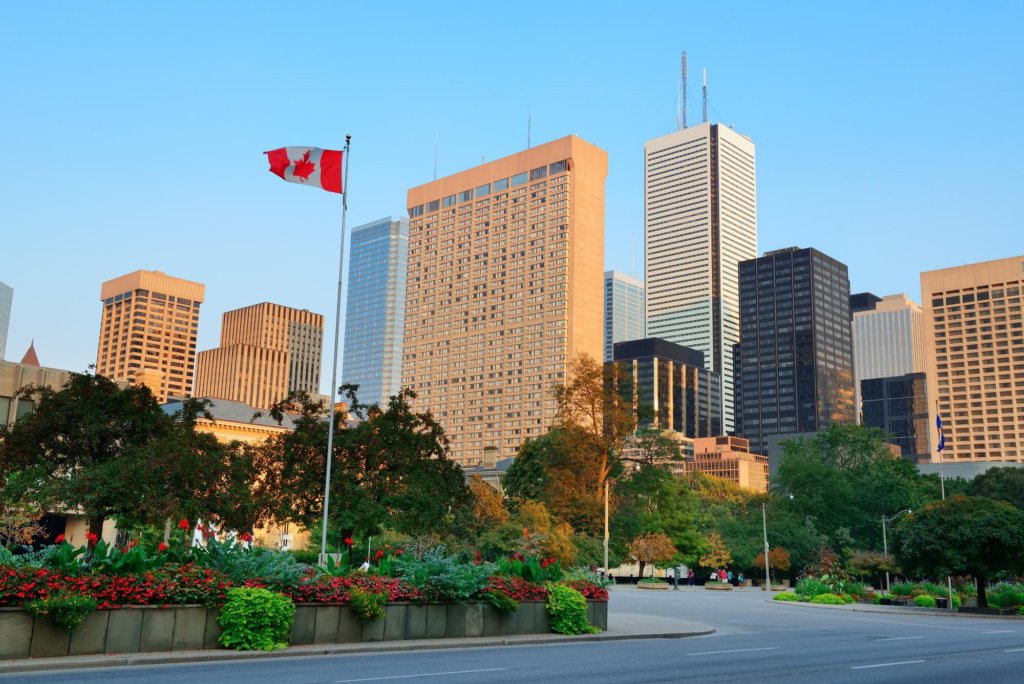
Ontario and Quebec feel like a different country from the rest of Canada. Toronto is big and busy, and every neighbourhood has its own character. Especially if we are talking about food. You can eat your way around the world in a few days there. Montreal has a French feel, a slower pace, good restaurants, and stays alive late at night. Quebec City is small and looks more like Europe than North America.
When to Go
Summer is the easy answer. June to August are good months. At that time, everything is open, and the weather is really warm. But peak July in the parks means real crowds. If you want the scenery without the chaos, September and October in Ontario and Quebec are a better call. The maple colours at that time of year are something unique. There are also fewer tourists and cheaper hotels.
Winter is skiing, mostly in Alberta and BC. January temperatures in Alberta can hit minus twenty-five, so that requires actual preparation, not just a warm coat. Spring is quiet and cheap. Vancouver gets cherry blossoms in April if that’s what you like.
Money
Canada is not a cheap country. A regular restaurant meal costs around 20 Canadian dollars per person, excluding drinks. Beer at a bar is eight to ten. A good hotel room in Vancouver or Toronto costs $150 a night, sometimes more. Flying across the country, for example, Vancouver to Toronto, is a five-hour flight that starts at around $100 each way if you book early.
National parks offer a Discovery Pass for about $150 that covers all parks in the country for a year, per car. If you’re hitting more than two parks, it pays off fast. Tipping at restaurants is fifteen to twenty percent and not really optional. That’s just how the pay structure works there for service jobs.
Getting Around
A rental car makes sense for most of the trip, especially in parks and smaller towns. Outside the big cities, there’s almost no public transport worth relying on. Within cities, it’s fine. Toronto and Montreal both have metros; Vancouver has the SkyTrain, which gets you from the airport to the center in about twenty-five minutes.
Trains between cities are slow but comfortable. Toronto to Montreal is five hours by train or ninety minutes by plane. If time is tight, fly. If you want to actually see the country from a window, take the train.
A Few Things That Surprise People
Wildlife in the national parks is not a tourist attraction. Bears walk along roads in Banff because that’s where they go. Moose stand in lakes. Foxes cross hiking trails. Read the park safety guidelines before going in. They exist for real reasons.
In Quebec, French comes first. Montreal is easy, both languages mix. Smaller towns outside Montreal are a different story. French is the default, and English isn’t always returned. A few basic phrases make a noticeable difference.
Alberta mountain weather does whatever it wants. A bright morning can turn into rain by lunch and actual snow by evening – in July. One thick jacket won’t save you. Layers will. As for the people, Canadians have this particular kind of politeness that takes some getting used to. They hold doors, apologize when you bump into them, and make eye contact on the street like it’s normal. If you’re coming from certain parts of Europe, that last one alone will feel strange for the first few days.
A Few Things Worth Doing
See Niagara Falls from the Canadian side – the view is better than from the American bank, by a lot. Drive the Icefields Parkway slowly with real stops, not just straight through. Eat poutine in Quebec, where it actually comes from – fries, cheese curds, gravy, simple and good. If you’re there in autumn or winter, the northern lights are visible in Yukon and northern Alberta on clear nights. And go into a Tim Hortons at least once – not necessarily for the coffee, but because it tells something about everyday Canadian life that no guidebook really explains.
Canada takes more time and more money than most places. But one region done properly is better than five regions rushed. That’s probably the most useful thing to take from this before booking anything.
This story is made possible with support from eSIM Plus, which offers an app-based Canada virtual phone number solution that can be set up before departure and activated upon arrival, making it a practical option for travelers moving between countries. You can check their website to get yourself a virtual number you can use anywhere in the world.
Get the latest from WALASTECH directly on your Google feed.
Add as a preferred source on Google