

EDITORIAL: Every major gadget launch today follows a familiar script. A new smartphone is announced, the specifications are posted, and the price is finally revealed. Within minutes, social media fills with comments calling it overpriced.

At first glance, the conclusion seems obvious. Smartphone brands and tech companies are simply charging more because they can. But what if that’s only part of the story?
The reality is far more complicated than the so-called corporate greed that social media warriors claim. Over the past few years, nearly every factor involved in building, importing, and selling consumer electronics has become more expensive. What many consumers see as “overpriced” may actually be the industry’s new normal. We break it down here.
We Were Living in an Unusually ‘Cheap’ Era
Many buyers don’t realize that the smartphone market we enjoyed over the past several years wasn’t normal. When brands like realme, POCO, HONOR, and Infinix entered markets like the Philippines, they weren’t trying to maximize profits. They were trying to win customers away from established giants like Samsung and Apple.
The easiest way to do that was through aggressive pricing. Phones arrived with larger batteries, faster charging, more RAM, better displays, and increasingly capable cameras, often at prices that looked almost too good to be true.
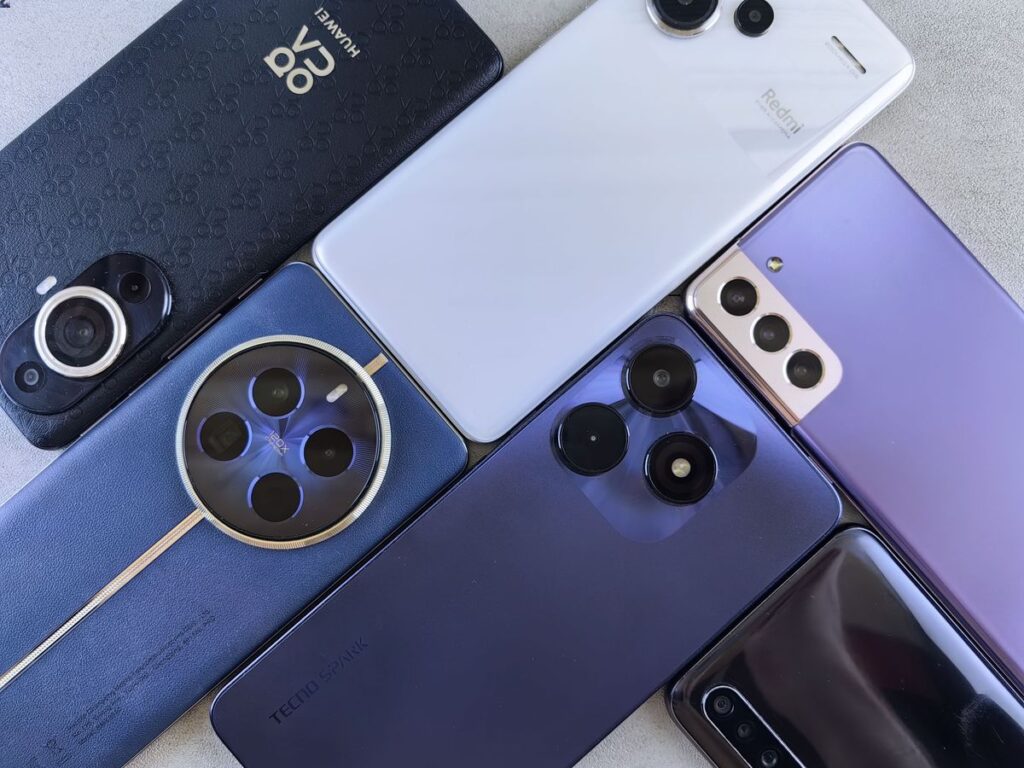
As a result, consumers began to associate those prices with the actual cost of building a smartphone. In reality, those prices reflected a business strategy. Companies were willing to operate on thinner margins because every phone sold helped build market share, expand retail networks, and establish long-term brand loyalty.
Today, those brands are no longer newcomers fighting for recognition. They have larger operations, wider service networks, more physical stores, bigger marketing budgets, and higher research and development costs. The economics have changed, and naturally, so have the prices.
The Hidden Cost of RAM and Storage
Perhaps the biggest reason modern gadgets cost more sits inside every smartphone, tablet, laptop, gaming handheld, and AI PC.
Memory.
Consumers love seeing 8GB or 12GB of RAM printed on a spec sheet. Likewise, 256GB of storage has quickly become the sweet spot for many buyers, while 512GB options are appearing more frequently in premium midrange devices.
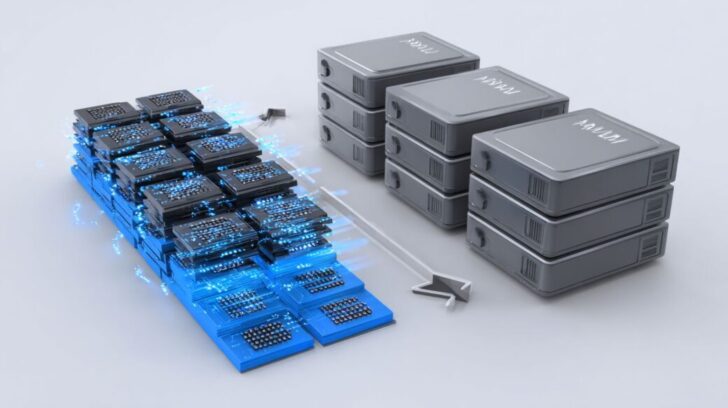
What most people don’t realize is that RAM and storage are among the most expensive components inside modern electronics. Just five years ago, a phone with 4GB of RAM and 64GB of storage was perfectly acceptable for everyday use.
Today, those specifications are often dismissed before the rest of the phone is even considered. Buyers expect more memory because apps have become larger, cameras produce bigger files, AI features consume additional resources, and users simply keep their phones longer.
As a result, manufacturers are putting two, three, or even four times more memory into every device than they did only a few years ago.
That isn’t a free upgrade.
AI Changed the Semiconductor Industry
The rapid rise of artificial intelligence has quietly reshaped the memory market. Companies like Samsung, SK hynix, and Micron, the world’s largest memory manufacturers, have shifted more production toward higher-margin memory products used in AI servers and data centers.
Those customers buy memory in enormous volumes and are willing to pay significantly more than consumer electronics manufacturers. That means smartphone companies are competing for the same supply of memory chips while manufacturers prioritize more profitable enterprise customers.
The result is simple economics. When supply becomes tighter and demand continues to grow, prices rise. In other words, your next smartphone isn’t just competing against another smartphone.
It’s competing against billion-dollar AI infrastructure projects.
Bigger Expectations Come With Bigger Costs
Memory isn’t the only thing that has become more expensive. Look at what consumers expect from a “midrange” phone today:
- AMOLED displays have become standard
- A 120Hz refresh rate is now considered almost mandatory
- Bigger batteries
- faster charging
- IP ratings
- flagship-inspired camera systems
- better cooling
- AI-powered software features,
- and years of software support are increasingly treated as basic expectations instead of premium features.
Five years ago, that combination of specifications would have described a flagship smartphone. Today, many buyers won’t even consider a phone without them. Each improvement may only add a small amount to manufacturing costs, but together they significantly increase the price of every device that reaches store shelves.
Software Has a Role to Play
Hardware isn’t the only thing that has grown over the years. Software has, too. Every major operating system update seems to demand more RAM, more storage, and more processing power than the last.
Features powered by artificial intelligence, increasingly complex user interfaces, larger pre-installed apps, and heavier background services have all contributed to making modern software more resource-hungry. Take a look at the new Siri AI, where it would take a more powerful device to get the full suite of AI features, while previously released phones who are promised of these updates are only getting a fraction of it.

That creates a vicious cycle. As software demands more resources, manufacturers are forced to include more RAM, larger storage capacities, and faster processors just to maintain a smooth user experience. Those hardware upgrades inevitably push production costs higher, and those costs eventually find their way into retail prices.
Perhaps it’s time for the software industry to look inward as well. Instead of assuming hardware will continue to become more powerful every year, platform developers and smartphone brands should place greater emphasis on optimization.
Better memory management, leaner operating systems, smaller applications, and more efficient AI features could extend the life of existing hardware instead of constantly forcing consumers to buy devices with ever-increasing specifications.
Consumers certainly appreciate faster phones. But they would likely appreciate software that runs just as smoothly on modest hardware even more. After all, the best optimization isn’t measured by how much hardware an app can consume. It’s measured by how little it needs to deliver a great experience.
The Philippine Reality
Then there’s the challenge of bringing those products into the Philippines. Most smartphones sold locally are manufactured in China, while many components are purchased using Chinese yuan or US dollars. Filipino consumers, however, pay in pesos.
Over the past several years, the Philippine peso has generally weakened against the Chinese yuan compared to the period when many Chinese smartphone brands first entered the local market. That means distributors need more pesos just to purchase the same products from manufacturers.
Currency is only one piece of the puzzle. Import duties, shipping, insurance, warehousing, local distribution, retailer margins, marketing campaigns, warranty services, and after-sales support all add to the final selling price.
By the time a smartphone reaches a mall display or an online store, its price reflects far more than the cost of its components.
The Industry Is Moving Together
Recent launches paint a very clear picture. POCO has gradually moved away from the ultra-aggressive pricing that made the brand famous. Recent devices from OPPO, realme, Samsung, HONOR, and Infinix have also arrived with higher price tags than many longtime fans expected.
Even Apple, a company with one of the strongest supply chains in the world, recently increased prices on several MacBook models after facing higher memory costs.
Different brands. Different target markets. Different business strategies. Yet they are all responding to the same economic pressures. That isn’t a coincidence. It’s an industry trend.
None of this suggests consumers should blindly accept higher prices. Some devices may still look priced higher compared to competition in the price range. Every launch should still be judged based on the value it offers relative to its competitors.
Consumers absolutely have the right to criticize products that fail to justify their asking prices. But there’s an important distinction between demanding good value and expecting the unusually low prices that defined the previous generation of smartphones.
Those prices were made possible by aggressive market expansion, lower component costs, and a very different global economy; and honestly, that environment no longer exists.
The New Normal
Perhaps the biggest contradiction lies with us, the consumers themselves. We want AMOLED displays, 120Hz refresh rates, 5G connectivity, 8GB or 12GB of RAM, at least 256GB of storage, AI features, premium cameras, larger batteries, and faster charging. At the same time, we expect those devices to cost roughly what they did five or six years ago.
Technology has improved. Component costs have increased. Currencies have shifted. The economics of consumer electronics have changed.
Maybe “overpriced” isn’t the right word anymore. Maybe expensive is simply the new normal.
Get the latest from WALASTECH directly on your Google feed.
Add as a preferred source on Google