

EDITORIAL: The recent calls to restrict or ban violent video games in the Philippines, following high-profile juvenile crimes in schools, once again raise a familiar debate. Whenever violence shocks the public, there is often pressure on authorities to find a visible cause and act quickly.

Video games, particularly violent ones, have become a recurring target. Yet focusing on games risks turning a complex social issue into a simplistic policy discussion. More importantly, it may distract attention from deeper problems that contribute to crime and violence in the first place.
The appeal of blaming video games is understandable. They are easy to identify, easy to criticize, and often poorly understood by those who did not grow up with them. However, public policy should not be built around assumptions or moral panic.
If policymakers truly want to understand how decisions affect society, they might find more value in playing certain video games than banning them. Some games offer surprisingly powerful lessons about governance, leadership, unintended consequences, and the lives affected by policy decisions.

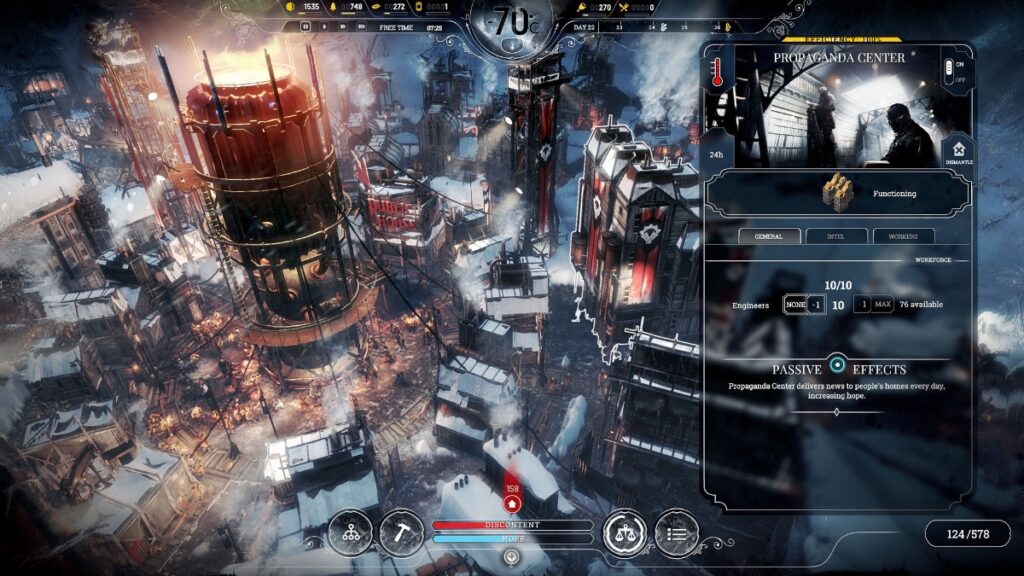

Take Frostpunk, for example. On the surface, it is a city-building survival game set during a global volcanic winter. As the leader of humanity’s last surviving city, players must make impossible decisions to keep people alive. What begins as small compromises gradually evolves into larger moral concessions.
Child labor may seem necessary to keep essential services running. Expanded surveillance may appear justified to maintain order. Before long, players find themselves creating institutions that resemble authoritarian rule. The game’s greatest lesson is how quickly emergency measures can become permanent systems of control. It reminds leaders that actions taken during moments of fear and crisis deserve the highest level of scrutiny.
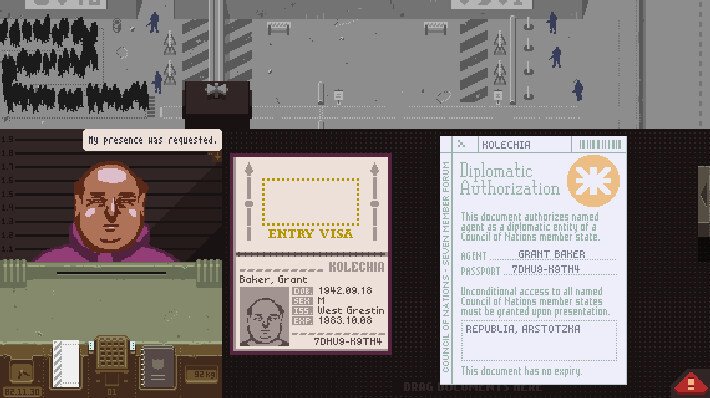
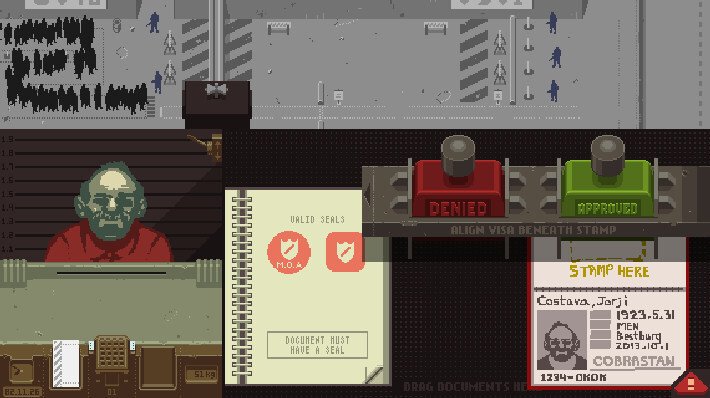
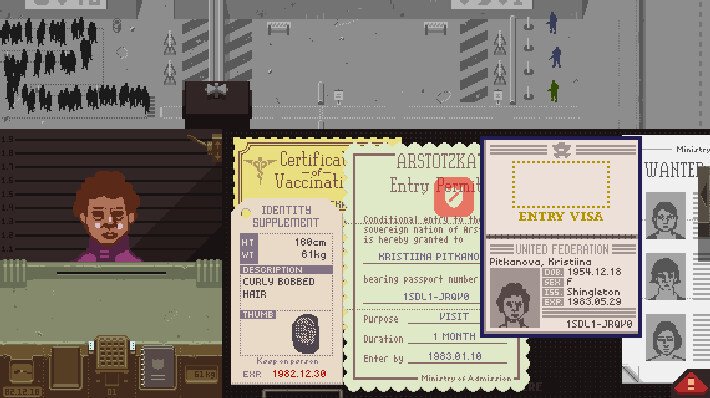
Papers, Please offers a different perspective. Players assume the role of a border inspector working for an authoritarian state. Every day is spent checking documents against an increasingly complicated list of regulations. The challenge is not simply identifying fake paperwork. It is deciding whether to follow the rules or show compassion. Allowing a separated family to reunite may result in penalties that threaten your own family’s survival. The game demonstrates how rigid bureaucratic systems can force ordinary people into morally troubling situations. It highlights the danger of creating policies that prioritize compliance over humanity and reminds leaders that regulations affect real people, not just statistics on a report.
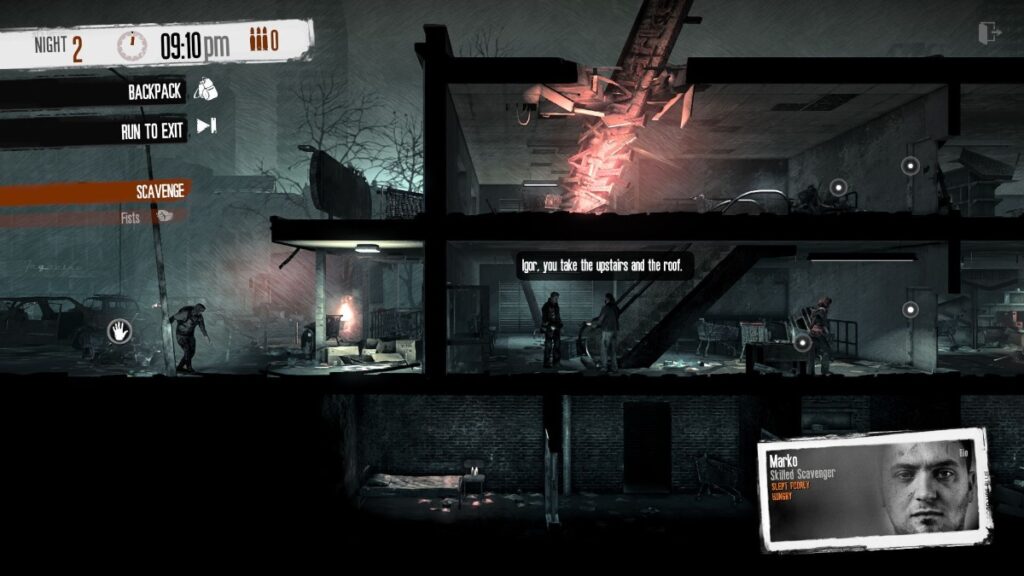
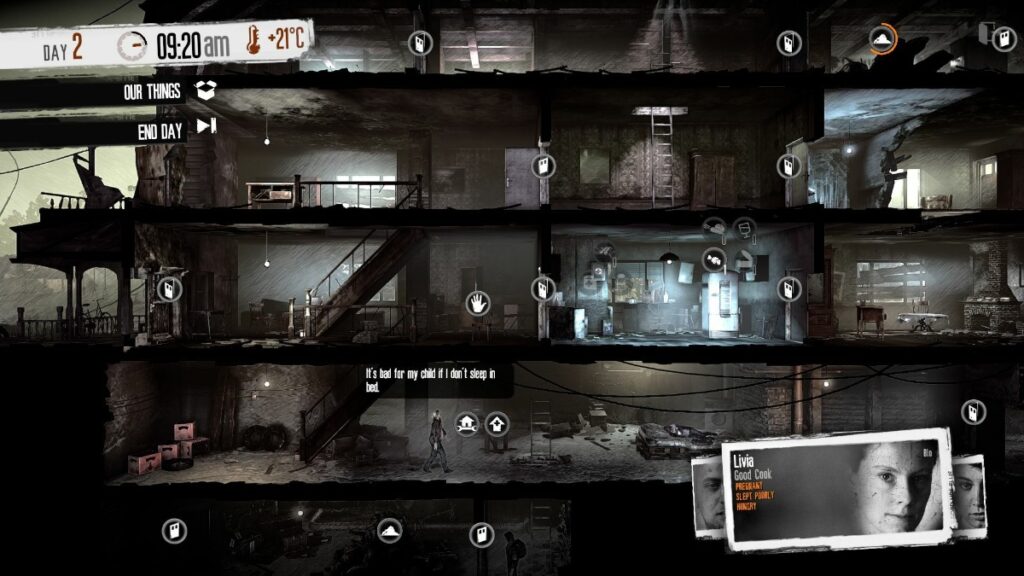
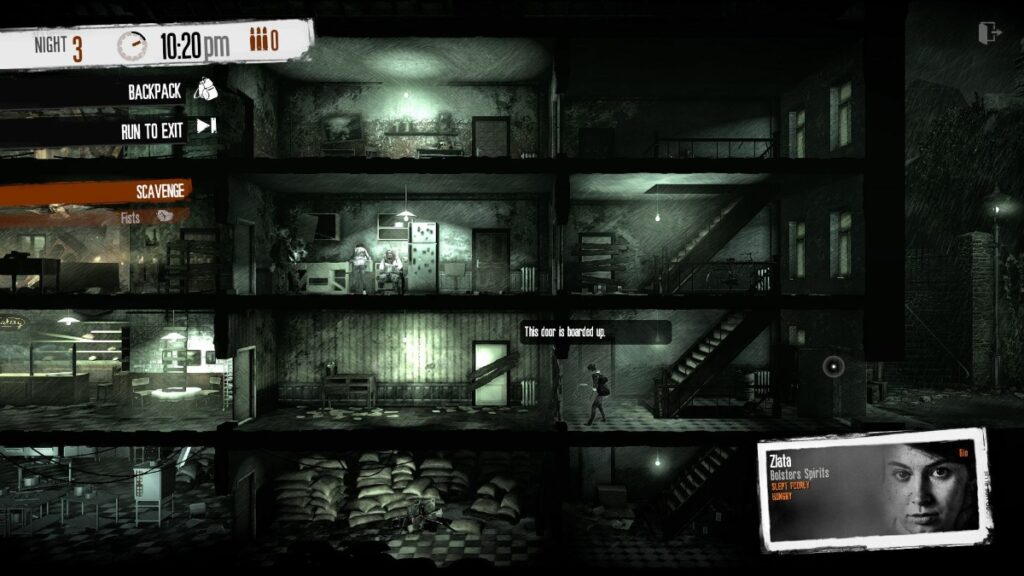
Meanwhile, This War of Mine shifts the focus from governments and institutions to civilians caught in the middle of conflict. Unlike traditional war games that celebrate military victories, this game follows ordinary people struggling to survive in a besieged city. Players spend their time searching for food, medicine, and safety while navigating constant danger.
The experience forces players to understand the human cost behind political and military decisions. It serves as a reminder that policy discussions often become detached from the people who must live with their consequences. For leaders, the game provides a valuable lesson in empathy and perspective.

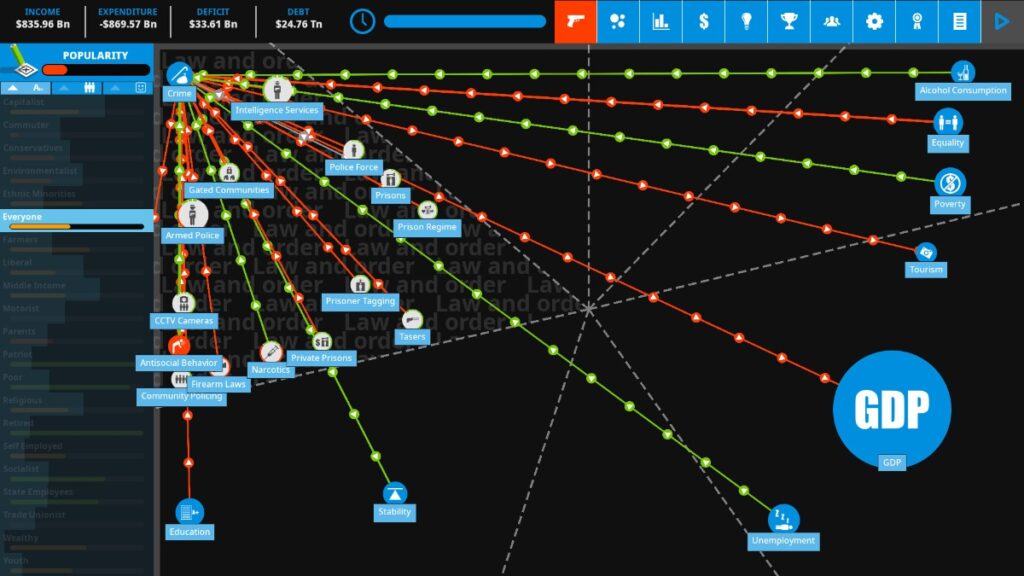

Democracy 4 may be the closest thing to a political simulation classroom. Players govern a modern nation by adjusting taxes, introducing laws, and responding to national challenges. What makes the game particularly useful is its emphasis on interconnected systems. Every policy creates ripple effects.
A tax increase may improve government finances while simultaneously hurting businesses and employment. New regulations may solve one problem while creating another. The game illustrates a reality that often gets lost in public debates: complex issues rarely have simple solutions. Crime, violence, and social instability emerge from multiple factors working together. Attempting to solve them through a single ban or restriction often produces disappointing results.
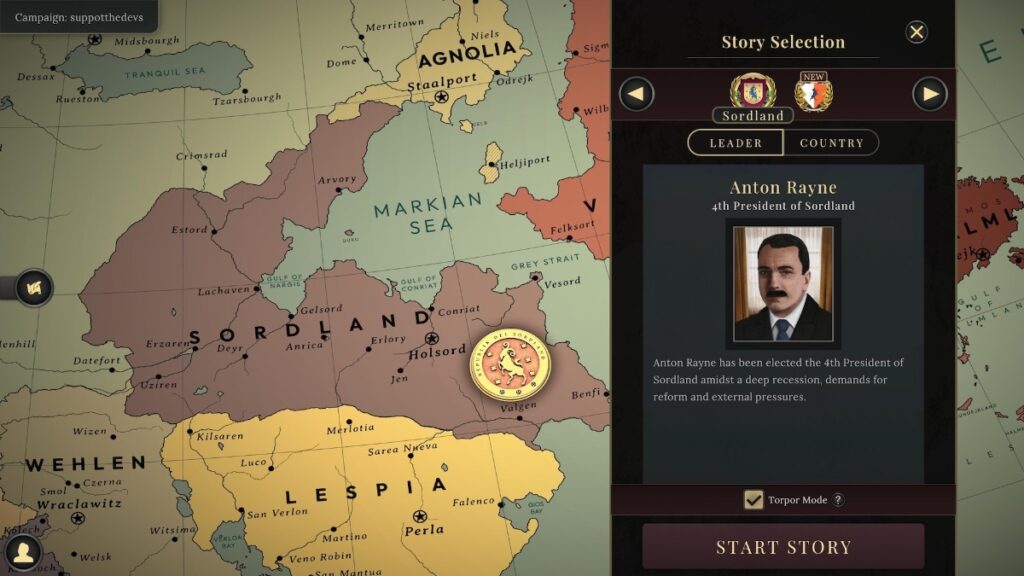
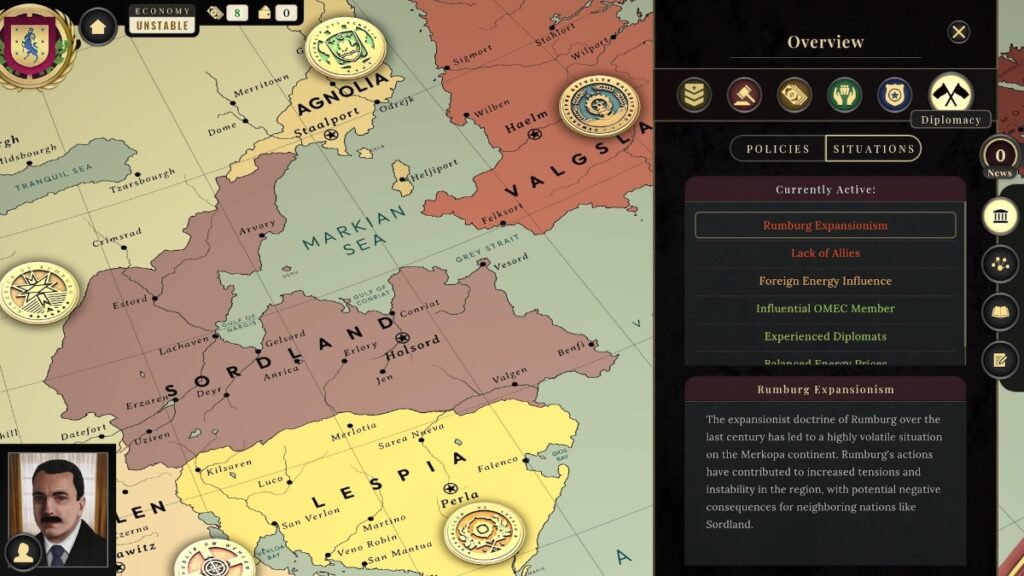
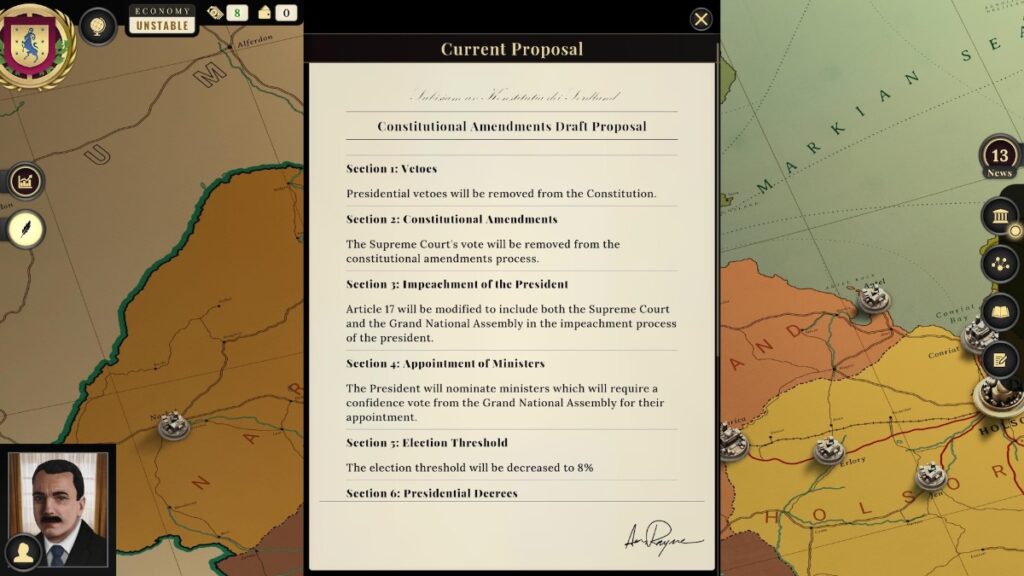
Suzerain takes this lesson even further by placing players in the role of a newly elected president facing economic decline, political pressure, and competing interests. Campaign promises quickly collide with institutional realities. Reform efforts meet resistance from powerful groups. Allies demand compromises.
The military, business leaders, and political rivals all exert influence. The game demonstrates that leadership is not simply about identifying problems but about navigating systems that may resist change. Good intentions alone are rarely enough to produce meaningful results.



Cities: Skylines may seem like an unusual inclusion, but it offers one of the most practical lessons on governance. The game challenges players to build and manage a functioning city. One of its most famous lessons involves traffic congestion. New players often believe adding more roads will solve traffic problems.
Instead, the game demonstrates how additional roads frequently attract more vehicles, creating new bottlenecks elsewhere. The lesson extends beyond urban planning. Many public issues cannot be solved through quick fixes designed to generate positive headlines. Long-term investment, careful planning, and systemic thinking are often required to achieve meaningful improvements. Very good for aspiring DPWH and LGU candidates.


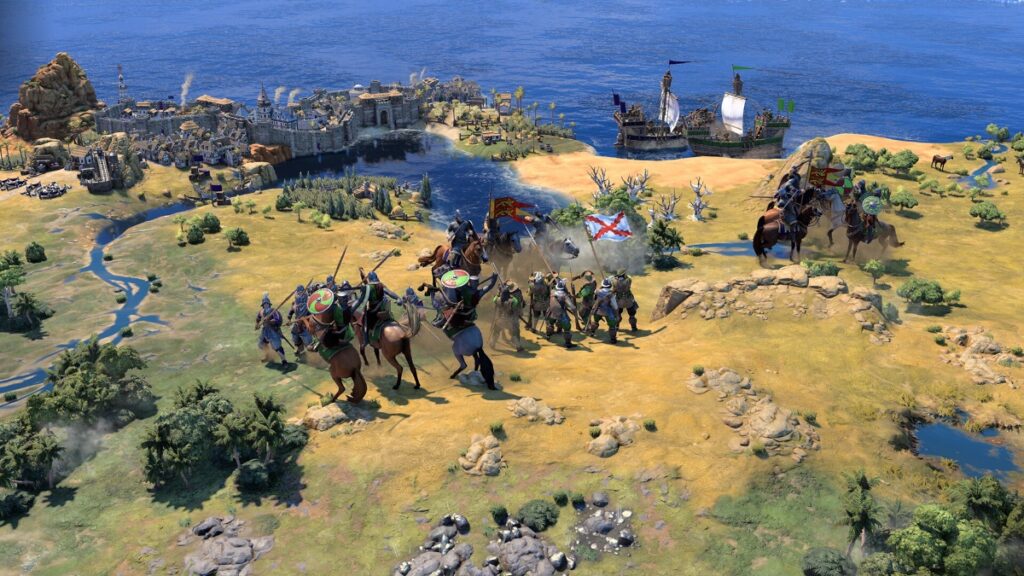
The Civilization series broadens the perspective even further. Players guide a nation from ancient times into the future, balancing military strength, scientific progress, economic growth, diplomacy, and cultural development. The game consistently demonstrates that sustainable success comes from balance.
Nations that focus exclusively on military power often fall behind technologically and economically. Those that invest only in one area eventually encounter weaknesses elsewhere. The lesson for policymakers is clear: national development requires a long-term vision that extends beyond immediate political gains.
What makes these games valuable is not that they provide direct answers to real-world problems. Rather, they encourage critical thinking about leadership and decision-making. They show that policies have consequences, that systems are interconnected, and that people often bear the costs of decisions made far from their daily lives.
This is why the current discussion surrounding violent video games feels misplaced. Even if such games were restricted tomorrow, would that address poverty, gaps in education, mental health challenges, family instability, gang recruitment, substance abuse, or weaknesses in law enforcement? These issues are difficult to solve and require sustained effort. Blaming video games, on the other hand, is comparatively easy.
Throughout history, societies have repeatedly searched for cultural scapegoats whenever violence occurs. Comic books were blamed. Rock music was blamed. Television was blamed. The internet was blamed. Video games are simply the latest target in a long tradition of looking for convenient explanations to complicated problems.
Good governance demands more than convenient explanations. It requires evidence, nuance, and a willingness to confront uncomfortable realities. Before policymakers decide what citizens should not play, they may benefit from experiencing games that teach difficult lessons about power, responsibility, and the consequences of public policy. They might discover that the greatest danger is not found inside virtual worlds, but in the temptation to mistake simple answers for effective solutions.
And if the government still thinks that games that depict violence are still a main reason for someone’s behavior, despite multiple (York, Oxford, China) studies already debunking this, maybe government leaders should start playing games related to governance and management so they can be better national and local leaders.
Get the latest from WALASTECH directly on your Google feed.
Add as a preferred source on Google