

EDITORIAL: I have been a KiQ user since it was announced last year. To be fair, I genuinely liked what it brought to the market.
KiQ stood out because it tried something different. It offered a more flexible, digital-first mobile experience where users could customize their own mix of data, calls, and texts instead of being boxed into the usual prepaid promos. At a time when local telecom options often felt repetitive, that approach was refreshing.
I also understood from the start that KiQ was never going to be for everyone. Its original eSIM-first positioning already made it a niche offering, appealing mostly to users with compatible devices and a level of comfort managing everything through an app. That limitation was obvious, but it was never a dealbreaker for me because the service worked.
That is what makes this recent experience more frustrating.
This is not coming from someone who tried KiQ for the first time and rushed to complain. This is coming from someone who actually believed in the product.
Someone who used it.
Someone who gave it multiple chances.
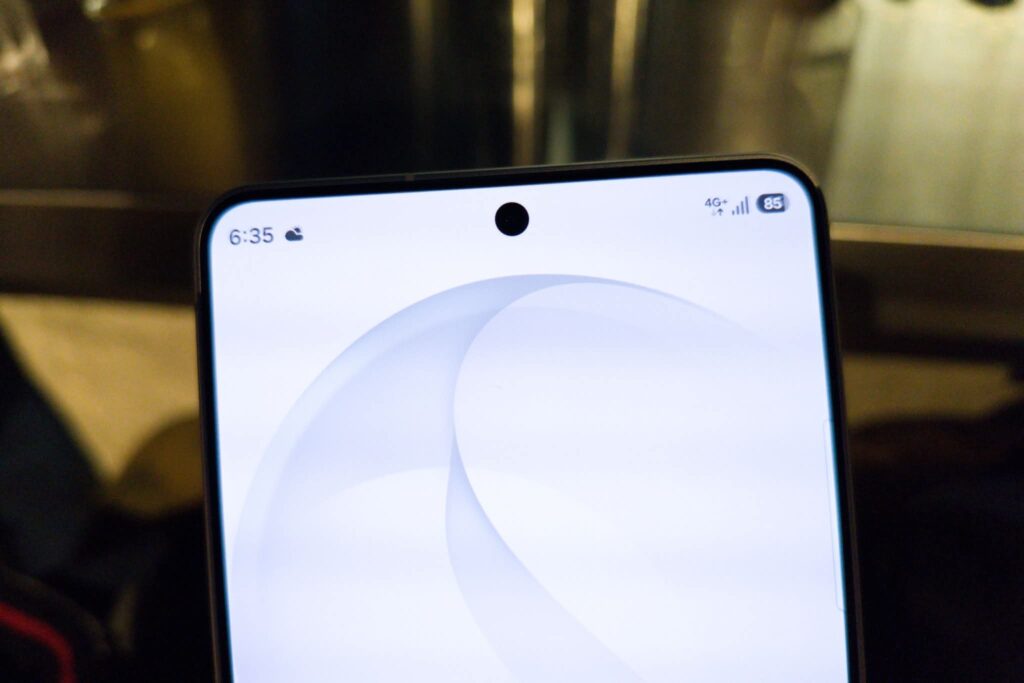
During the weekend of the Miss Universe pageant earlier this month, I used KiQ again using my HONOR 600.
The experience, to say the least, was disappointing. Signal performance was noticeably worse than my regular postpaid line, and mobile data simply never activated.
At first, I thought it was just a temporary issue. Maybe network congestion. Maybe a device-specific problem. Maybe the sounds from the Mall of Asia Arena blocking the signals. Maybe something that would resolve itself later.
Then came today. I had to attend Samsung’s Galaxy Game Night event, and before heading out, I decided to give KiQ another shot.
Thinking it was a device issue, I swapped the SIM across multiple smartphones. A Samsung Galaxy S26. An Infinix GT 50 Pro. A TECNO CAMON 50. An Infinix Note Edge. And several others I had tested previously.
Same result. No mobile data.
I went through the usual troubleshooting process. Checking APN settings. Restarting devices. Searching online for possible fixes.
Nothing worked.
At some point, the issue stops being about compatibility. It becomes about reliability.
What makes this even harder to ignore is the timing. Just days ago, local tech media published stories pushing back against rumors about KiQ’s supposed shutdown while highlighting that the service remains operational and continues to offer cheaper data options. This is in the midst of supposed rumors of the MNVO’s performance is being reviewed.
That messaging paints a certain picture, but my actual experience tells a very different story.
A mobile network should not be judged by promo graphics, pricing tables, or reassuring announcements.
It should be judged by whether it works when users actually need it. At an event. During work. While commuting. When trying to send a message, load directions, book a ride, or simply get online.
That is the baseline expectation of anyone activating their SIM card for a telco network and start using it.
And if a paying user has to move a SIM across multiple modern smartphones just to force a data connection, something is clearly wrong.
What made things worse was realizing I was not alone. A quick search online showed similar frustrations from other users, with some saying they eventually gave up and ported their 0925 KiQ numbers elsewhere.
Of course, network experiences can vary depending on location, congestion, provisioning, and device compatibility. However, repeated failure across multiple phones over multiple attempts makes it harder to dismiss this as an isolated problem.
The bigger issue here is trust. When coverage presents one reality while actual user experience suggests another, consumers are left asking difficult questions. Were expectations managed properly? Are the problems temporary and being addressed? Or are users simply expected to keep troubleshooting and hoping for better results?
I wanted KiQ to succeed. More competition in telecom is good for consumers. More options are always welcome. And for a time, KiQ actually felt like one of the more interesting alternatives in the space.
However, no amount of cheaper data price offers matters if the data connection does not actually work.
No amount of press releases will also justify the fact that the telco really is making mishaps. The KiQ isn’t really kicking, so to speak.
So I am left with the same question many frustrated users probably have right now. If a mobile network cannot reliably provide connectivity, what exactly are people paying for?
Get the latest from WALASTECH directly on your Google feed.
Add as a preferred source on Google