

Cybersecurity complexity is becoming a growing concern for organizations in the Philippines, according to a new study commissioned by Fortinet and conducted by Forrester Consulting and presented during the Philippine leg of the Fortinet Accelerate APAC 2026.
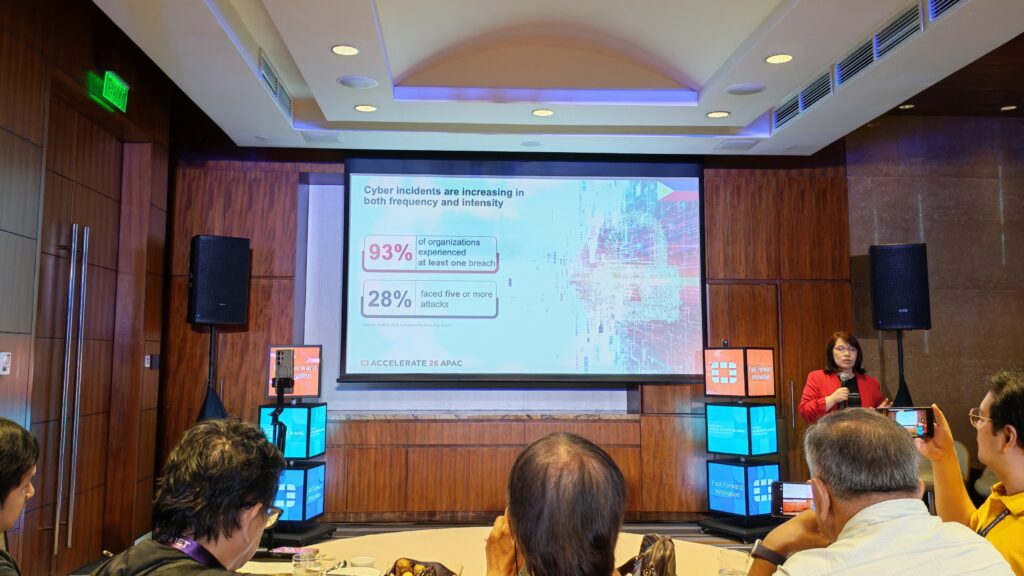
Why it Matters: As more organizations adopt AI and cloud technologies, cybersecurity teams are also dealing with larger attack surfaces and more complicated security environments. The findings suggest that fragmented systems and manual workflows may slow down threat detection and response during attacks.
The report found that businesses across Asia Pacific are struggling to keep pace with AI-driven attacks, fragmented security systems, and increasing alert volumes. Fortinet said these challenges are affecting organizations’ ability to respond to threats effectively.
The company also noted a growing shift toward platform-based security systems as businesses look for ways to simplify operations and improve efficiency.
According to the study, 57% of organizations cited AI-driven threats as a top concern, while 54% pointed to fragmented tools and architectures as major operational challenges. Around 50% also reported that growing alert volumes make it difficult to identify real threats, and 48% still rely on manual workflows.
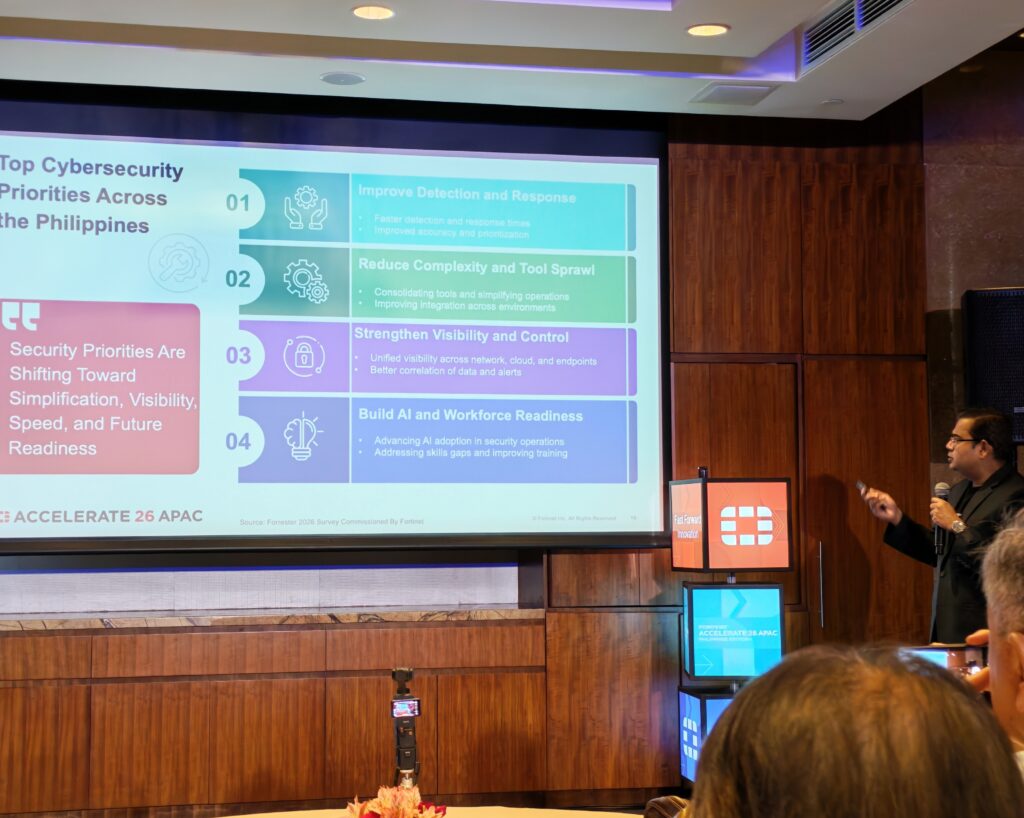
The report added that cybersecurity maturity remains limited in the region. About 68% of organizations are still at an intermediate stage of cybersecurity maturity, while only 16% have reached advanced levels.
Fortinet said organizations are now accelerating efforts to move toward unified, platform-based security architectures. While only 20% currently operate on a unified platform, the company expects adoption to increase to 59% within the next 12 to 24 months.
Businesses also expect these systems to improve operations. Around 58% of respondents said platform consolidation could improve threat detection, while 57% expect better centralized control and 56% believe it can reduce manual workflows.
The study also showed growing investment in AI-powered cybersecurity. About 91% of organizations said they plan to increase AI-related security spending, with more than half expecting double-digit budget growth.
Despite these investments, Fortinet said many organizations still face readiness gaps due to limited automation, fragmented tools, and the lack of unified data environments needed to scale AI operations effectively.
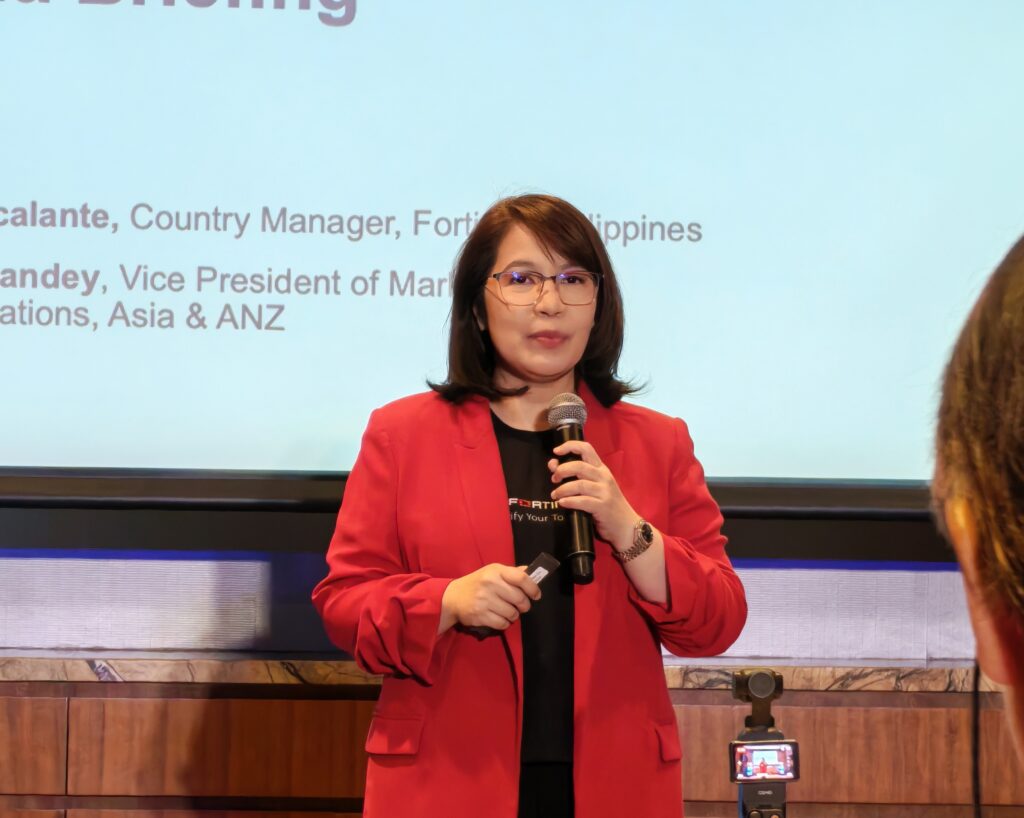
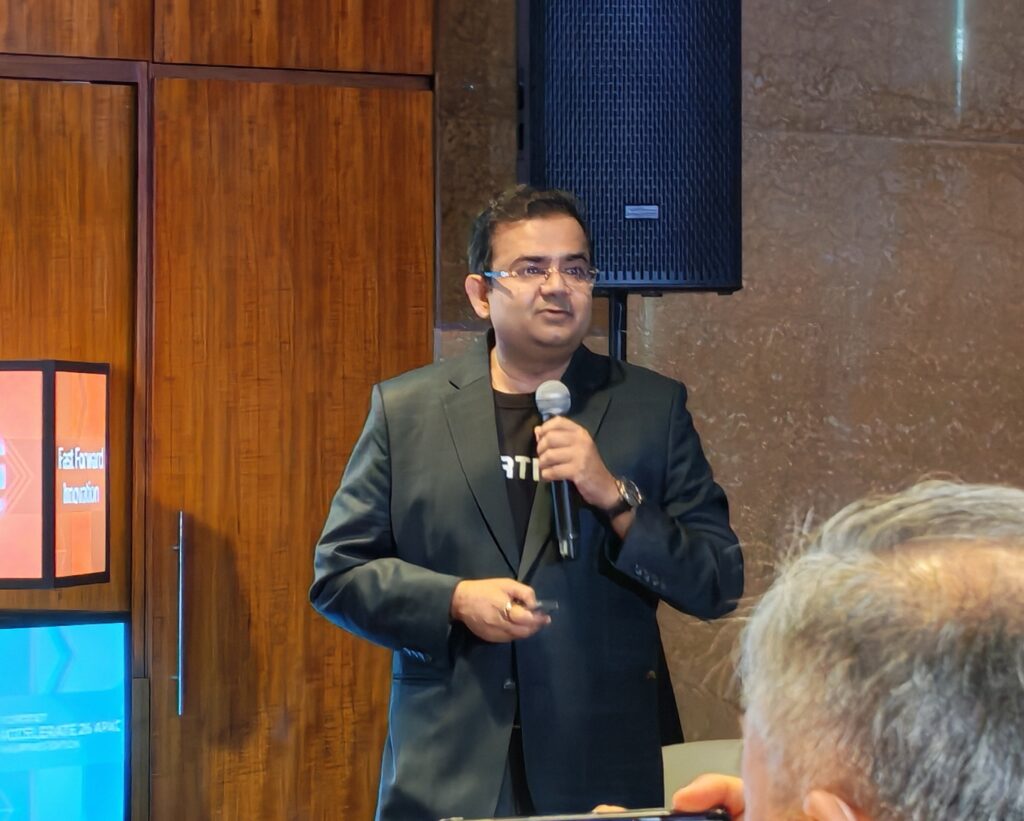
(L-R: Fortinet Philippines Country Manager Bambi Escalante, and Vice President for Marketing and Comminications in APAC and NZ Rasish Pandey)
Amelia Lau, Forrester Consulting Project Lead, said organizations across Asia Pacific are dealing with rapidly evolving AI threats while also struggling with internal operational complexity.Meanwhile, Fortinet Philippines Country Manager Bambi Escalante said businesses are finding it harder to detect and respond to threats because of fragmented tools, limited visibility, and growing alert volumes.
The study surveyed 558 IT and cybersecurity decision-makers and influencers across Asia Pacific. The survey was completed in March 2026.
With AI adoption expected to continue growing, can organizations modernize their cybersecurity operations quickly enough to manage increasingly complex threats?
Get the latest from WALASTECH directly on your Google feed.
Add as a preferred source on Google