

Commuters using Light Rail Transit Line 2 (LRT-2) can now pay for their train fares by simply tapping an eligible Mastercard credit, debit, or prepaid card, or a compatible mobile wallet linked to a Mastercard card at designated Fast Lanes.
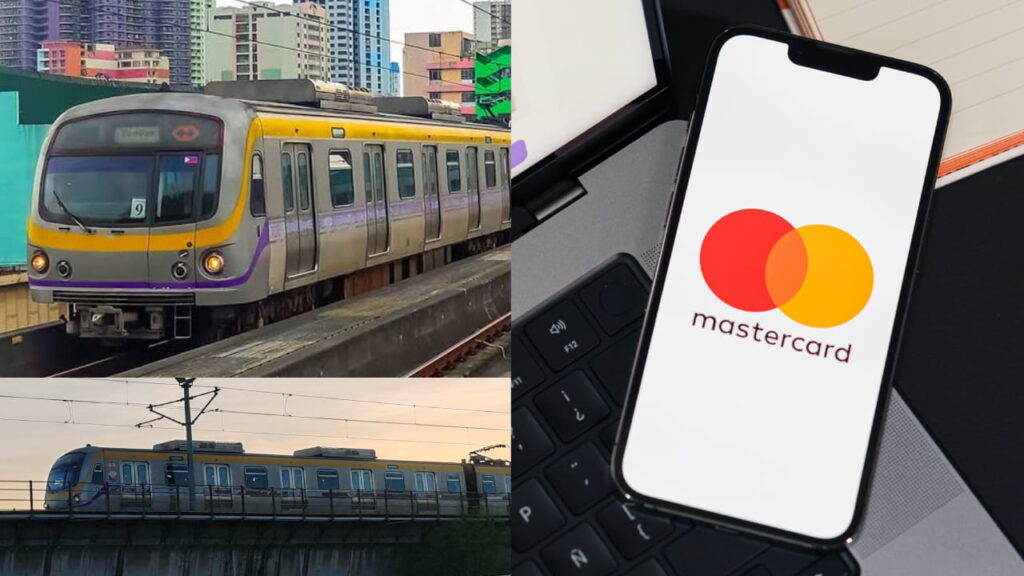
The new payment option eliminates the need to buy or reload a stored-value ticket for eligible passengers, giving commuters another cashless way to access the rail line.
Why it matters: Contactless payments continue to expand across Metro Manila’s public transportation network, offering commuters faster boarding while reducing dependence on dedicated transit cards. The move is also part of the broader effort to modernize fare collection systems and encourage cashless transactions.
The details: LRT-2 passengers can now use eligible Mastercard credit, debit, and prepaid cards directly at designated Fast Lanes. Commuters may also pay using compatible NFC-enabled mobile wallets linked to supported Mastercard cards on Android devices.
The rollout adds another option to LRT-2’s growing list of digital payment methods, which already includes mobile NFC payments and GCash Commute QR.
According to Mastercard, commuters can simply tap the payment method they already carry instead of purchasing or reloading a transit card. Each transaction is protected by the company’s contactless payment security features.
“Public transportation is part of everyday life for millions of Filipinos, and paying for a ride should be just as effortless. With Mastercard contactless payments now available on LRT-2, we’re making everyday travel more seamless and secure, helping commuters save time and move through their journeys with greater confidence,” said Jason Crasto, Mastercard Country Manager for the Philippines.
The bigger picture: The launch is part of the continuing rollout of open-loop transit payments, a system that allows passengers to pay directly using existing bank cards or supported mobile wallets instead of relying solely on proprietary transit tickets.
Mastercard said it has already helped deploy similar transit payment systems in cities worldwide, enabling commuters to use the same payment cards they use for everyday purchases.
The implementation in LRT-2 was made possible through collaboration among transit authorities, financial institutions, and payment technology providers to modernize fare collection while improving accessibility and transaction security.
For Filipinos: The new payment option gives commuters greater flexibility in choosing how to pay for train rides. Those who already use Mastercard cards or compatible mobile wallets can now enter designated Fast Lanes without stopping to purchase or reload a ticket, potentially reducing queues during peak travel hours.
The feature also supports the government’s push toward interoperable and cashless public transportation systems, where commuters can use widely accepted payment methods across different transport services.
What’s next: Mastercard said it will continue working with industry partners in the Philippines to expand secure, convenient, and interoperable transit payments as more transportation systems adopt contactless fare collection technologies.
The Bottom Line: LRT-2’s support for Mastercard contactless payments gives commuters another convenient way to pay for fares using cards and compatible mobile wallets they already own, bringing Metro Manila’s rail system another step toward a more modern and cashless commuting experience.
Get the latest from WALASTECH directly on your Google feed.
Add as a preferred source on Google