

Infinix has positioned the Infinix GT 50 Pro as the next step in its gaming-focused lineup, sitting above the Infinix GT 30 Pro. While both devices are built for mobile gaming, the GT 50 Pro moves the focus from peak specs toward sustained performance, thermal control, and system-level gaming optimization.
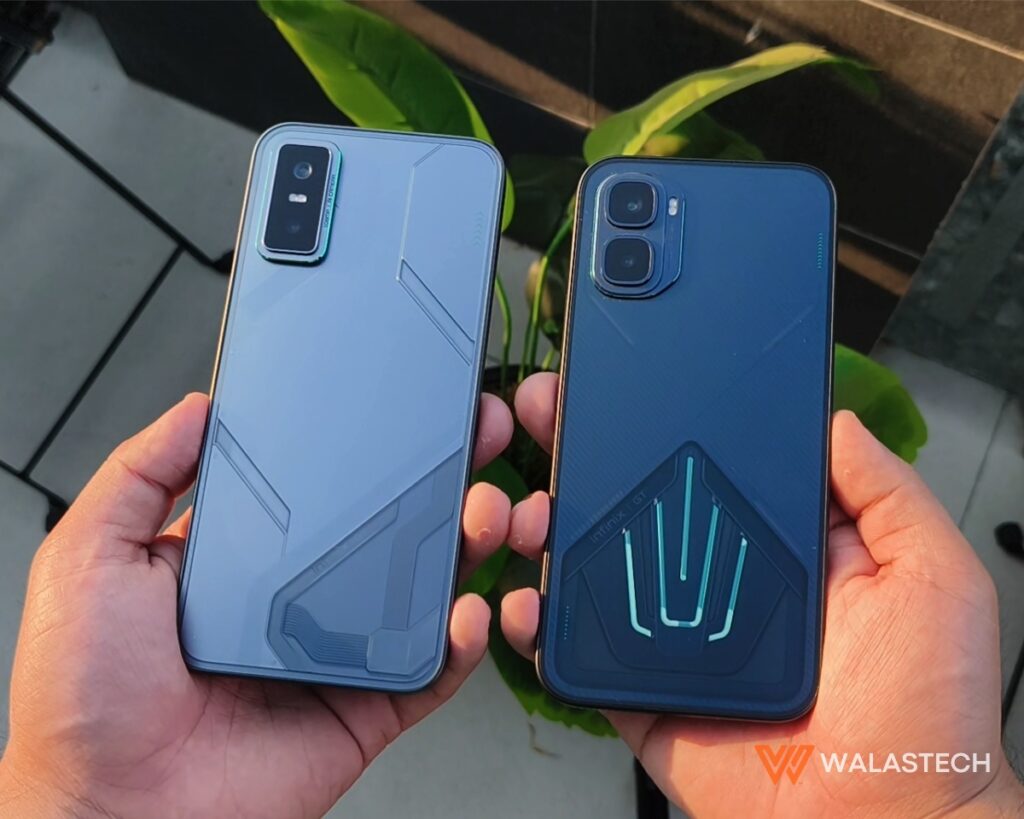
Why it Matters: Mobile gaming performance is no longer defined only by raw chipset power. Sustained frame rates, thermal stability, and consistent responsiveness during long sessions now matter more in competitive play. This comparison highlights how the Infinix GT 50 Pro shifts from a traditional gaming phone approach to a more system-optimized performance device.
The GT 30 Pro has already established a strong foundation in high-refresh-rate gaming, trigger controls, and capable hardware. The GT 50 Pro builds on this by introducing a more integrated ecosystem that connects cooling, performance, and AI-driven gaming features into a single system.
| Category | Infinix GT 50 Pro | Infinix GT 30 Pro |
|---|---|---|
| Display | 6.78-inch, 1.5K, up to 144Hz, up to 4500 nits peak brightness, 2304Hz PWM, Gorilla Glass 7i | 6.78-inch AMOLED, 1.5K (1224 x 2720), up to 144Hz, 1600 nits peak, 4500 nits local peak, Gorilla Glass 7i |
| Processor | MediaTek Dimensity 8400 Ultimate (4nm), up to 3.25GHz | MediaTek Dimensity 8350 Ultimate (4nm), Mali-G615 MC6 GPU |
| RAM | 12GB LPDDR5X + up to 12GB extended RAM | 8GB / 12GB + up to 24GB extended RAM |
| Storage | 256GB / 512GB (UFS 4.1) | 256GB / 512GB (UFS 4.0) |
| Rear Camera | 50MP main (OIS, EIS) + 8MP ultra-wide | 108MP main + 8MP ultra-wide |
| Selfie Camera | 13MP | 13MP (up to 4K video) |
| Battery | Up to 6500mAh, 45W wired, 30W wireless, reverse charging | 5200mAh / 5500mAh, 45W wired, 30W wireless, reverse charging |
| Cooling System | HydroFlow Liquid Cooling + optional external cooling system | Standard gaming cooling system + bypass charging 2 |
| Audio | Dolby Atmos | Stereo speakers tuned by JBL, Hi-Res audio |
| OS | XOS 16 | Android 15, XOS 15 |
| Gaming Features | GT Trigger (pressure-sensitive), AI gaming tools, Native 144FPS support | GT Trigger zones, RGB lighting |
| Connectivity | 5G, N1 signal chip | Wi-Fi 6, Bluetooth 5.4, NFC, IR |
| Build Features | Liquid cooling window design, mechanical lighting effects | RGB backlight, IP64 rating |
| Colors | Black Abyss, Red Blaze, Silver Glacier | Dark Flare, Blade White, Shadow Ash |
Display: Similar Foundation
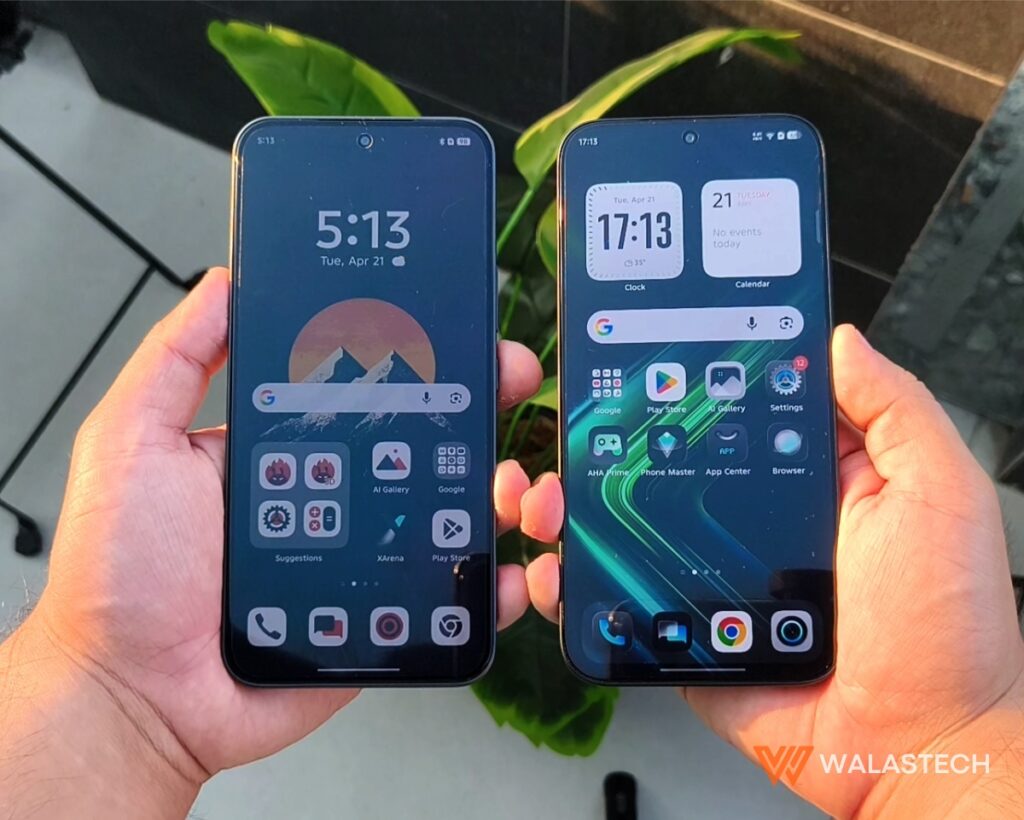
Both devices use a 6.78-inch 1.5K-class display with up to 144Hz refresh rate. The GT 30 Pro focuses on AMOLED color depth and balanced brightness output, while the GT 50 Pro increases peak brightness levels significantly for better outdoor usability and visibility during gameplay.
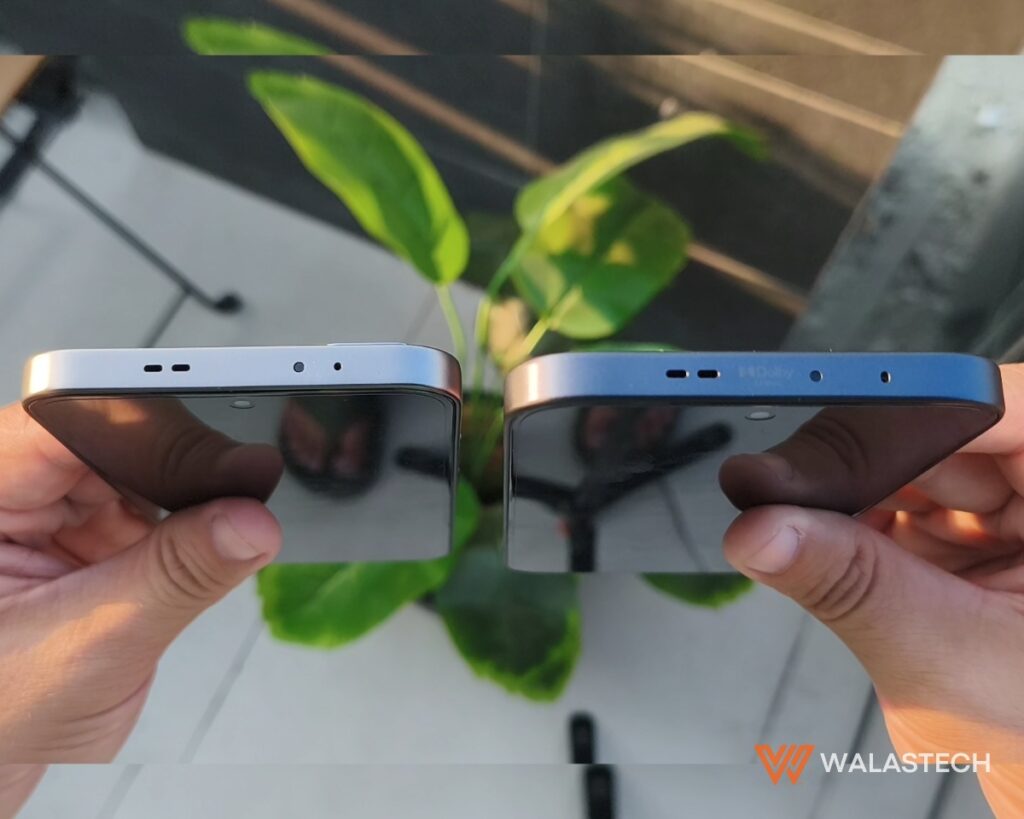
The GT 30 Pro uses JBL-tuned stereo speakers with Hi-Res audio support. The GT 50 Pro shifts to Dolby Atmos spatial audio, focusing more on directional sound and gaming immersion.
Camera: Higher Resolution vs Better Stability Focus
The GT 30 Pro uses a 108MP main sensor, giving it a clear advantage in resolution. The GT 50 Pro shifts to a 50MP sensor but focuses more on image stability, AI processing, and consistency in varied lighting conditions.
Performance: Clear Generational Gap
The benchmark results show a consistent performance advantage for the Infinix GT 50 Pro across CPU, GPU, and synthetic gaming workloads.
The GT 30 Pro runs XOS 15 based on Android 15. The GT 50 Pro upgrades to XOS 16 with expanded AI gaming tools, system optimization features, and deeper integration with performance management systems.
On the hardware side, the GT 30 Pro has a MediaTek Dimensity 8350, while the GT 50 Pro has a MediaTek Dimensity 8400 Ultimate. Since we have both phones at our office, we re-tested the latter alongside doing new benchmarks for the newly released phone:
| Benchmark | Infinix GT 50 Pro | Infinix GT 30 Pro |
|---|---|---|
| AnTuTu V11 | 1,808,355 | 1,538,799 |
| GeekBench CPU (Single) | 1,356 | 1,277 |
| GeekBench CPU (Multi) | 5,660 | 3,997 |
| GeekBench GPU (OpenCL) | 11,833 | 8,476 |
| GeekBench GPU (Vulkan) | 11,823 | 8,725 |
| 3DMark (Wildlife Extreme) | 3,964 | 2,947 |
On AnTuTu V11, the GT 50 Pro scores 1,808,355, up from 1,538,799 on the GT 30 Pro. This suggests a noticeable uplift in overall system performance, especially in combined CPU, GPU, and memory workloads.
GeekBench results highlight a stronger gap in multi-core performance, where the GT 50 Pro reaches 5,660 compared to 3,997 on the GT 30 Pro. This is important for gaming scenarios that rely on sustained background processing, thermal stability, and multitasking during gameplay.
On GPU-focused tests, the GT 50 Pro also shows a meaningful jump. In OpenCL, it records 11,833 versus 8,476, while Vulkan performance increases to 11,823 from 8,725. This indicates better graphics handling, especially in high frame rate gaming and more demanding visual settings.
In 3DMark Wildlife Extreme, the GT 50 Pro scores 3,964 compared to 2,947. This reflects improved sustained GPU performance under heavy graphical stress, which is critical for long gaming sessions where throttling becomes a limiting factor.
Overall, the data suggests that the GT 50 Pro not only improves peak performance but also maintains a stronger and more stable performance curve under load.
Gaming Features: GT Trigger System Evolution
Both devices include GT Trigger shoulder controls, but the GT 50 Pro expands functionality with pressure-sensitive input, deeper customization, and system-wide shortcuts. The GT 30 Pro focuses more on basic trigger zones and RGB lighting effects.
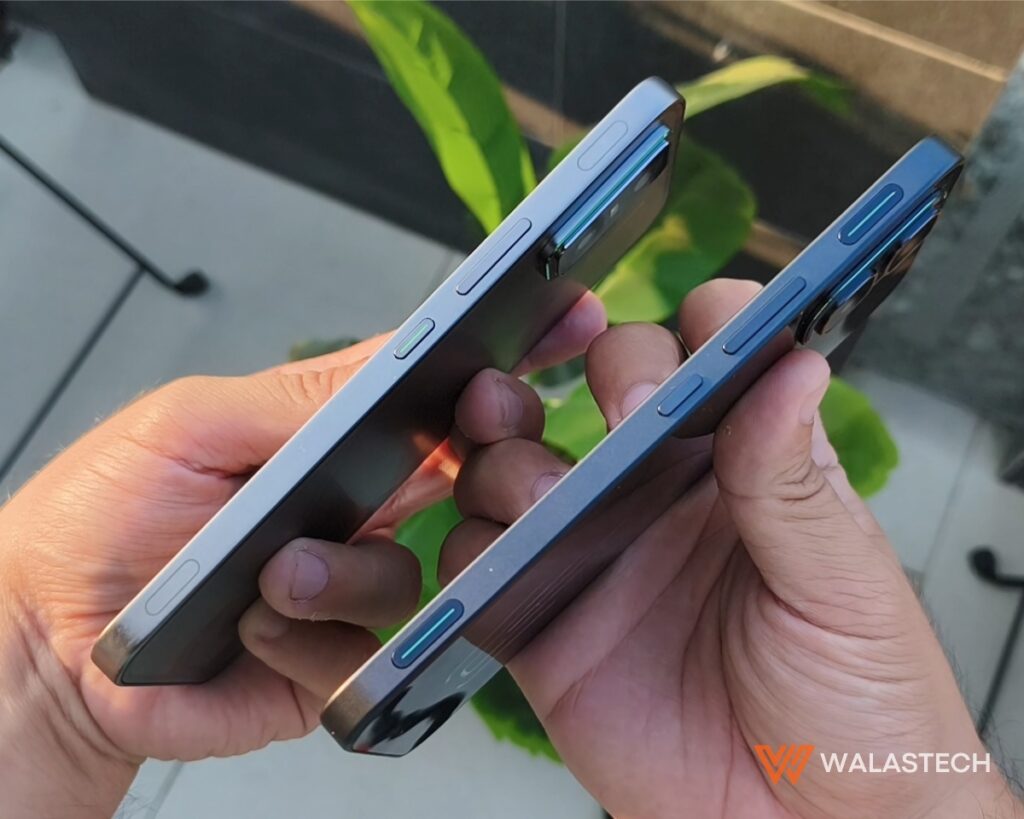
The GT 50 Pro also introduces AI-based gaming tools that automate certain actions and optimize in-game responsiveness. There’s also a new dedicated Esports mode that diverts the phone from distractions so you can keep yourself in the game.
The GT 30 Pro uses a conventional gaming cooling system with bypass charging support. The GT 50 Pro introduces HydroFlow Liquid Cooling with active micro-pump circulation and a larger heat dissipation structure. It also supports an external cooling accessory that directly powers the chipset, reducing heat at the source.
This marks one of the most significant differences between the two devices, especially for long gaming sessions where thermal throttling becomes a key limitation.
Battery: Higher Capacity on GT 50 Pro
The GT 50 Pro increases battery capacity to 6150mAh or 6500mAh, compared to 5200mAh or 5500mAh on the GT 30 Pro. Both support 45W wired and 30W wireless charging, but the GT 50 Pro benefits from improved thermal efficiency during charging and gaming.
Both can last a day on a single charge and have bypass charging in case you want to game for longer periods of time. The GT MagCool 2.0 on the GT 50 Pro, however, introduces wireless bypass charging for more flexibility.
The Rundown
The Infinix GT 50 Pro represents a clear step forward over the GT 30 Pro in sustained performance, cooling efficiency, and system-level gaming optimization. The GT 30 Pro remains competitive with stronger camera resolution and solid overall gaming capability, but the GT 50 Pro is designed for longer, more demanding, and more stable competitive gaming sessions.
The Infinix GT 50 Pro is coming to countries including the Philippines, with pricing yet to be announced. Meanwhile, the Infinix GT 30 Pro is priced at PHP
The gap between the two is not just about speed, but about how long that speed can be maintained.
What matters more to you in gaming devices, peak benchmark performance or consistent sustained output over long sessions?
Get the latest from WALASTECH directly on your Google feed.
Add as a preferred source on Google